





how to operate packing machine | YUANYANG Guide
- How to Operate Packing Machine: Expert Guide for Industrial Mixer Professionals
- Fundamentals of Packing Machine Operation
- Understand the Packing Machine
- Preparation Before Operation
- Setup and Operation Steps
- Safety Protocols
- Maintenance and Cleaning
- Best Practices for Mixer-Integrated Packaging Lines
- Efficient Integration
- Staff Training
- Data and Recordkeeping
- References:
- SEO Optimized Metadata
How to Operate Packing Machine: Expert Guide for Industrial Mixer Professionals
Operating a packing machine efficiently is essential for professionals in the industrial mixer industry. Mastering proper procedures streamlines the packaging process, ensures safety, and maintains product integrity. This article covers the fundamentals of how to operate a packing machine, addresses common industry challenges, and offers practical tips for optimal setup and operation.
Fundamentals of Packing Machine Operation
Understand the Packing Machine
- Identify Packing Machine Type: Know the model (vertical form fill seal, auger filler, multihead weigher) used with mixers.
- Manufacturer’s Manual: Always refer to the manufacturer’s official operation manual (Food Processing Magazine, 2023).
- Key Components: Recognize hoppers, feeder, weighing mechanism, sealing system, and control panel.
Preparation Before Operation
- Check Power Supply: Ensure stable and secure electrical connections (occupational safety guideline: OSHA 1910.303).
- Cleanliness: Maintain hygiene for food/chemical safety; clean all surfaces (FDA Food Safety Modernization Act).
- Product Compatibility: Confirm the mixer batch matches packing machine design requirements.
- Calibration: Calibrate load cells and sensors for precise measurements (see International Society of Automation standards).
Setup and Operation Steps
- Start-up Procedure:
- Turn on the main switch and emergency stop.
- Configure operation parameters—filling weight, speed, bag material.
- Test with sample batches before full production.
- Feeding Product:
- Transfer product from the industrial mixer to the machine’s hopper.
- Use appropriate conveying system (e.g., screw or pneumatic).
- Avoid overfilling to maintain operational accuracy.
- Adjust Packaging Settings:
- Select bag type, size, and sealing temperature.
- Set batch count, date printing, and product code if required.
- Monitor Production:
- Supervise sealing, cutting, and discharge points.
- Perform periodic quality checks (weight, seal integrity, print legibility).
- Troubleshooting:
- Watch for alarms and error codes—refer to troubleshooting section in manual.
- Common issues: product clogging, seal misalignment, inconsistent fill weights.
Safety Protocols
- Personal Protective Equipment (PPE): Gloves, goggles, ear protection as required.
- Emergency Stops: Know all emergency procedures and locations (per ISO 13850).
- Lockout/Tagout: Before maintenance, follow lockout procedures to prevent accidental startup.
Maintenance and Cleaning
- Scheduled Maintenance: Regularly lubricate moving parts and check for wear (as per OEM schedule).
- Cleaning Cycles: Clean between product changes and at the end of shifts, particularly for allergen control (GFSI certification guidelines).
Best Practices for Mixer-Integrated Packaging Lines
Efficient Integration
- Synchronize Mixer Output and Packing Machine Speed: Match mixer batch cycle times to packing rates (Chemical Engineering Progress, AIChE, 2022).
- Automate Where Possible: Incorporate sensors and PLCs for seamless operations.
Staff Training
- Continuous Training: Offer regular certification and refreshers on machine operation and safety.
- Keep Abreast of Tech Updates: Invest in factory training sessions when new packing machine models are installed.
Data and Recordkeeping
- Batch Traceability: Log product batch and machine parameters for QA and regulatory compliance.
- Analyze Downtime Events: Use machine logs to determine and reduce causes of inefficiency.
References:
- International Society of Automation (ISA)
- Food Processing Magazine, 2023
- OSHA Standard 1910.303
- FDA Food Safety Modernization Act
- GFSI Certification Guidelines
- Chemical Engineering Progress, AIChE, 2022
SEO Optimized Metadata
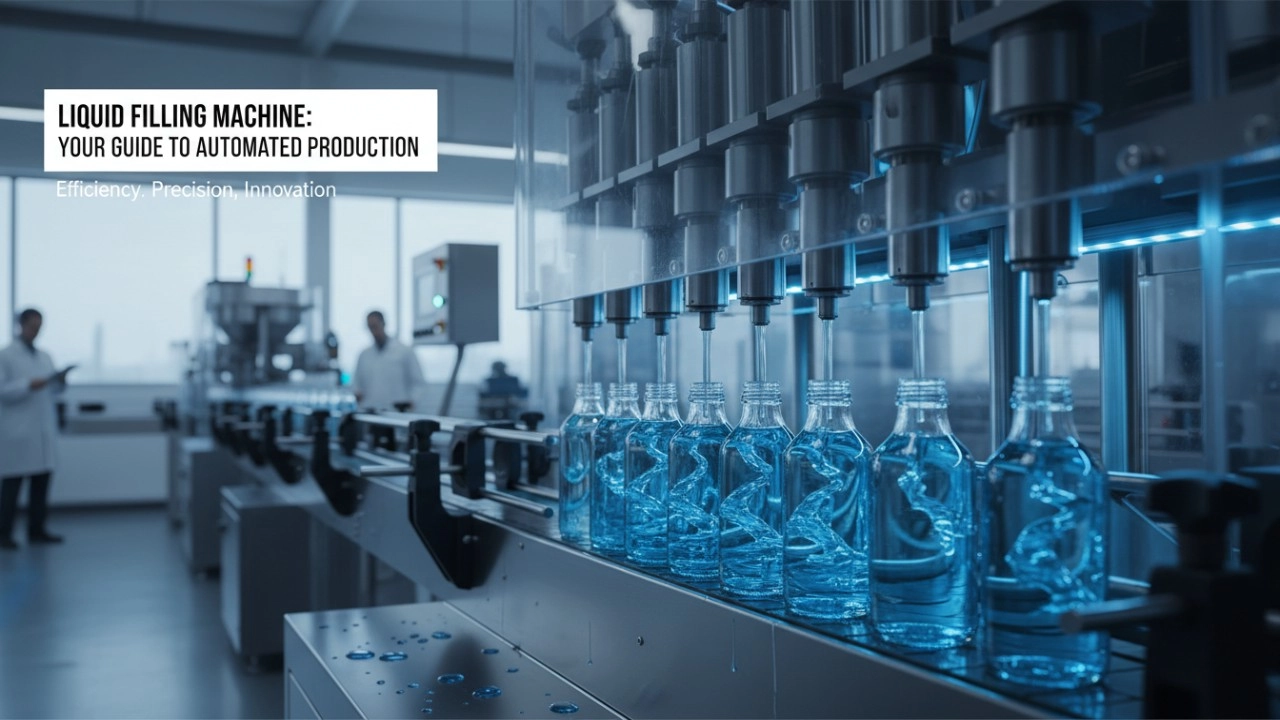
Beyond Automation: How Smart Liquid Filling Machines are Transforming Modern Packaging Lines
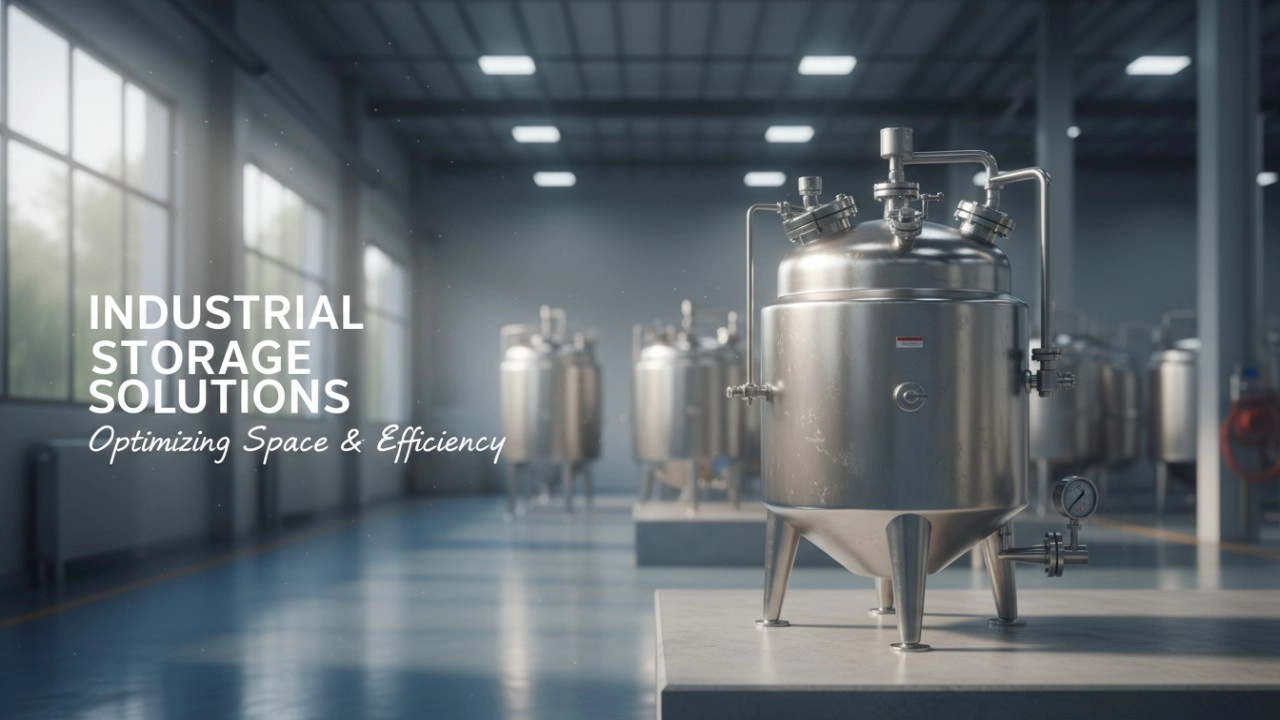
7 Dangerous Mistakes Most Companies Make with Underground Storage Tanks (USTs)
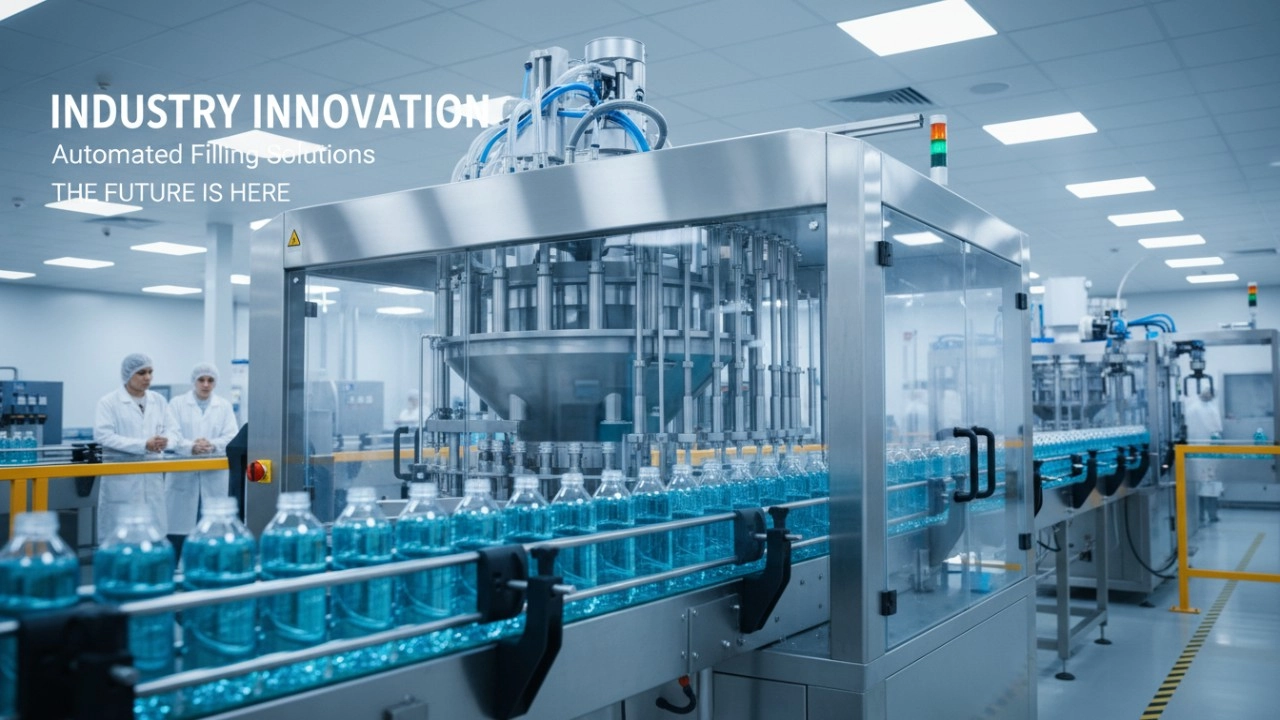
How to Future-Proof Your Production Line: The Latest Innovations in Precision Filling Machinery (2026 Guide)
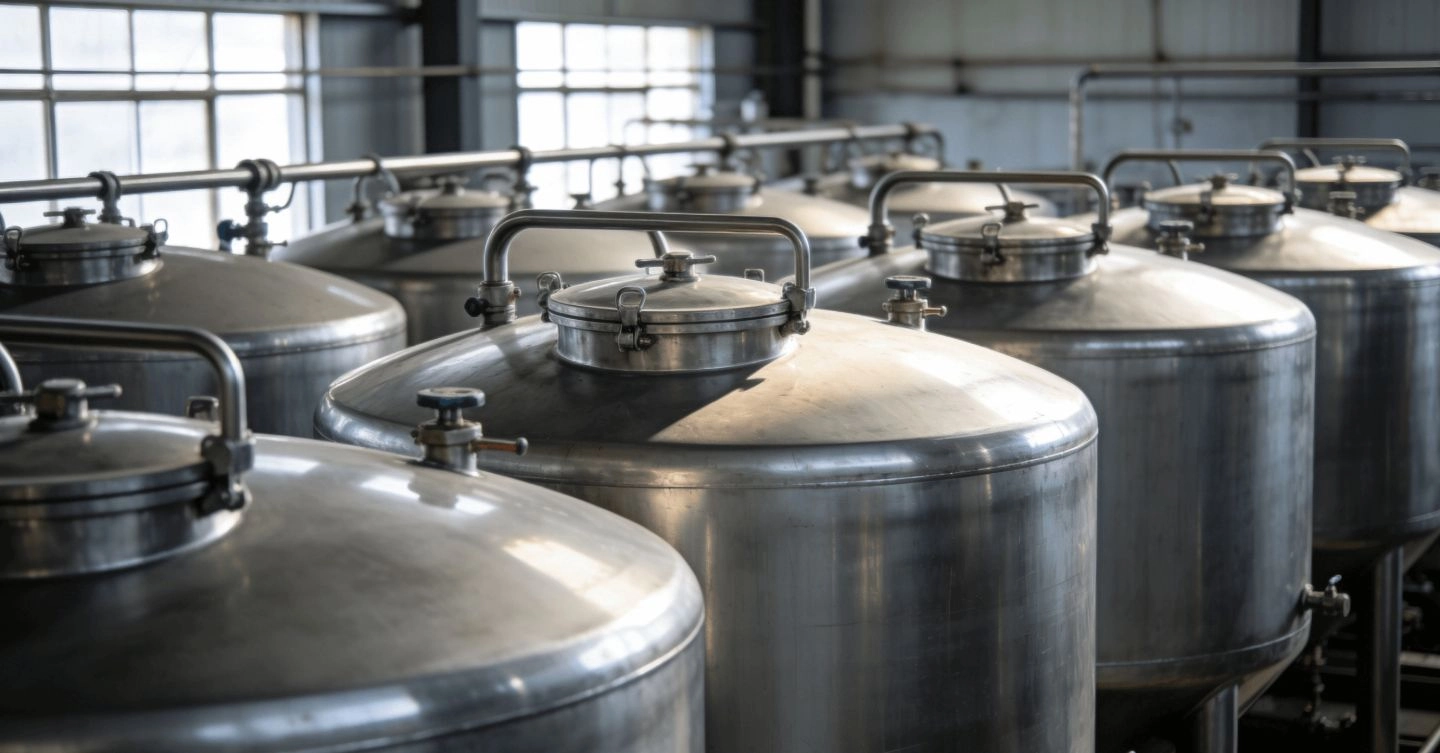
The Definitive Guide to Industrial Storage Tanks 2026: Why Food-Grade Stainless Steel is the Gold Standard
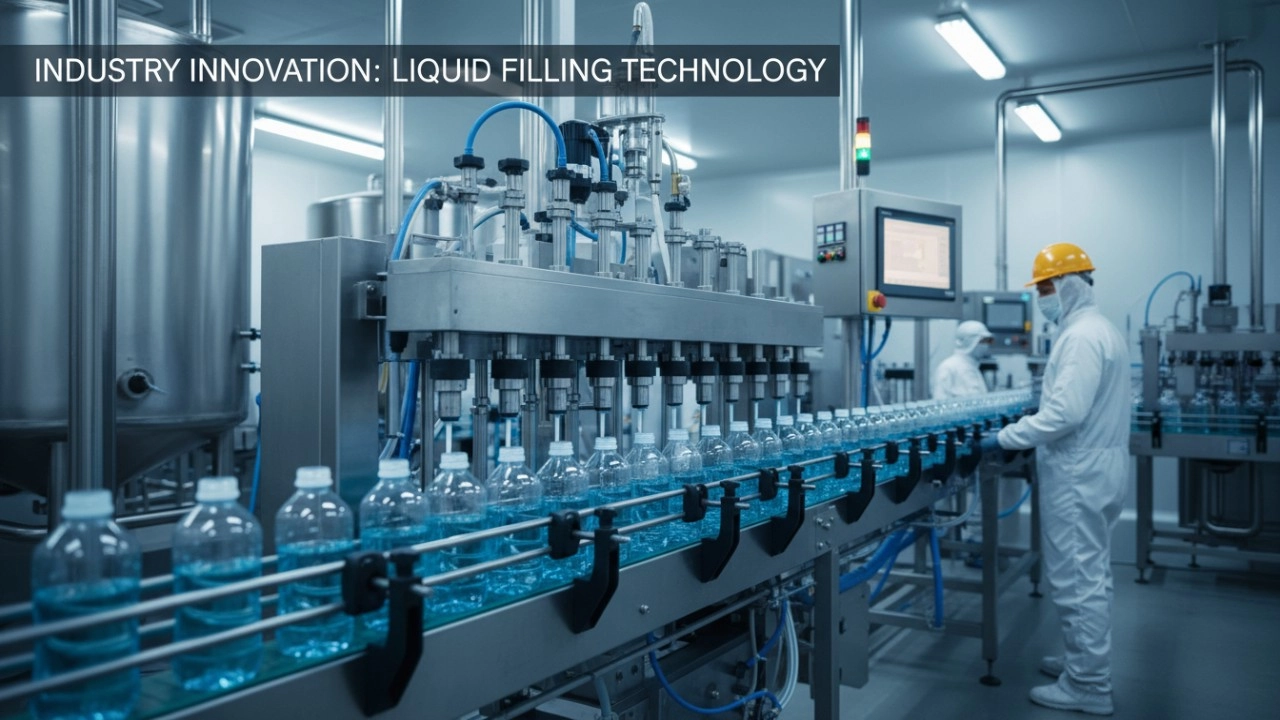
The Ultimate 2026 Guide to Liquid Filling Machines: Types, Technologies, and Strategic Selection
Vertical Filling Machine
How many bottles can the cream filler fill per hour?
The filling speed is affected by many factors, such as the materials thickness, viscosity, operation speed by staffs, pneumatic speed adjustment, filling volume, pressure. The filling speed varies from 500-2400 bottles per hour.
Vacuum Homogneizer
Is there any safety devices for the homogenizer tank?
Yes,there are safety valves for jacket pressure and vacuum pressure. When the pressure reaches the designed margin point, the safety valves can protect the machine by releasing the gas.
And circuit protection device is equipped in the control box, when the power supply of the factory is beyond the designed voltage of the machine, or occurs short circuit, it will operate self-protection system.
Semi Automatic Capping Machine
Can it close glass bottles?
As long as the glass bottle has screw cap, the capping machine can close its cap, although the machine is often called plastic capping machine.
Food
What is the production efficiency of the equipment?
Our equipment uses intelligent control systems and efficient processes to ensure high efficiency and stability, greatly enhancing production efficiency.
Industries
Do you provide operational training?
Yes, we provide detailed operational manuals and comprehensive training to ensure safe and efficient operation of the equipment.
Leave a message
Have any questions or concerns about our products? Please leave us a message here, and our team will get back to you promptly.
 Scan QR Code
Facebook
YouTube
LinkedIn
Whatsapp: +8613434139712
Guangzhou Yuanyang Machinery