





The Ultimate Guide to Cosmetic Production Line: Efficiency, Innovation, and Quality
Discover how a cosmetic production line boosts manufacturing efficiency, innovation, and product quality, ensuring high-demand products every time.
- Introduction to the Cosmetic Production Line
- What is a Cosmetic Production Line?
- Key Components of a Cosmetic Production Line
- Types of Cosmetic Production Lines
- 1. Liquid Cosmetics Production Line
- 2. Powder Cosmetics Production Line
- 3. Cream and Lotion Production Line
- 4. Perfume and Fragrance Production Line
- Benefits of an Efficient Cosmetic Production Line
- 1. Increased Production Efficiency
- 2. Consistent Product Quality
- 3. Cost Reduction
- 4. Flexibility in Production
- 5. Compliance with Regulations
- Challenges in Cosmetic Production Lines
- 1. High Initial Investment
- 2. Maintenance and Downtime
- 3. Ingredient Variability
- 4. Regulatory Compliance
- How to Optimize Your Cosmetic Production Line
- 1. Invest in Quality Equipment
- 2. Implement Lean Manufacturing Principles
- 3. Automate Processes Where Possible
- 4. Prioritize Regular Maintenance
- 5. Use Data and Analytics
- The Future of Cosmetic Production Lines
- 1. Sustainable Production Practices
- 2. Personalization and Customization
- 3. Automation and AI Integration
- 4. Eco-Friendly Packaging Solutions
- Conclusion
- FAQs
Introduction to the Cosmetic Production Line
The cosmetics industry is one of the fastest-growing sectors globally, with new products continuously being launched to meet consumer demand. The backbone of this thriving industry is the cosmetic production line, a sophisticated system designed to produce products like skincare, makeup, and toiletries at scale, while ensuring consistent quality. This article dives into the various components of a cosmetic production line, how it works, the benefits, and what you need to consider when setting up one.
What is a Cosmetic Production Line?
A cosmetic production line refers to a series of automated machines, processes, and procedures that work in tandem to manufacture cosmetic products efficiently and consistently. These lines are highly specialized and capable of producing different types of cosmetics such as lotions, creams, shampoos, foundations, and perfumes. The goal of a cosmetic production line is to ensure product quality while optimizing manufacturing processes for cost-effectiveness and speed.
Key Components of a Cosmetic Production Line
A typical cosmetic production line includes several stages of operation. Each stage is designed to handle a specific task that contributes to the final product’s quality and efficiency. These stages include:
1. Raw Material Handling – The first step involves sourcing and managing raw materials, which may include oils, waxes, pigments, preservatives, and other essential ingredients.
2. Mixing and Blending – The raw materials are combined and blended into the desired consistency using industrial mixing equipment. This process must be precise to achieve the right texture and formulation.
3. Filling and Packaging – After blending, the product is transferred into packaging using automated fillers, ensuring each container receives the exact amount of product. Packaging machines seal and label the products before they move to the final step.
4. Quality Control – Throughout the production process, quality control ensures that each batch meets industry standards, with regular checks on factors like pH levels, viscosity, and microbial content.
5. Final Packaging – The final step involves secondary packaging, which could include boxes, shrink wraps, or protective layers to ensure the product reaches the customer safely.
Types of Cosmetic Production Lines
Cosmetic production lines are often tailored to the type of product being produced. Here’s a breakdown of the most common types:
1. Liquid Cosmetics Production Line
Liquid-based products such as shampoos, conditioners, body lotions, and face serums require specialized equipment for accurate mixing, heating, and filling. These lines often use high-shear mixers and filling machines to ensure uniformity and consistency across large batches.
2. Powder Cosmetics Production Line
Products like foundations, blushes, and eyeshadows require a different kind of production line. A powder cosmetics production line includes equipment for blending pigments and powder ingredients, as well as for pressing powders into compact forms.
3. Cream and Lotion Production Line
Creams, lotions, and emulsions demand precise mixing and homogenization to achieve the right texture. These lines feature emulsifiers and homogenizers to blend oil and water-based ingredients efficiently.
4. Perfume and Fragrance Production Line
Fragrance production lines typically focus on blending various oils and alcohols to create different scents. These lines need to ensure that every batch of fragrance is consistent in smell and potency.
Benefits of an Efficient Cosmetic Production Line
An efficient cosmetic production line can offer several key advantages that contribute to the success of a cosmetics business:
1. Increased Production Efficiency
Automating the manufacturing process allows businesses to produce products at a much higher speed compared to manual production. This leads to lower costs and more products in less time.
2. Consistent Product Quality
One of the primary goals of a production line is to maintain consistency. With automated systems in place, manufacturers can ensure that every product meets the same high-quality standards, which is crucial for customer satisfaction and brand reputation.
3. Cost Reduction
By streamlining production processes and reducing human intervention, companies can lower labor costs, reduce material waste, and enhance overall cost-effectiveness.
4. Flexibility in Production
Modern cosmetic production lines are highly adaptable. They can accommodate various product formulations and sizes, allowing brands to introduce new products with minimal changes to their existing setup.
5. Compliance with Regulations
Cosmetic products are subject to strict regulations regarding ingredients, safety, and labeling. A properly designed production line can ensure compliance with these regulations through built-in checks and audits.
Challenges in Cosmetic Production Lines
While cosmetic production lines offer numerous advantages, there are several challenges to consider:
1. High Initial Investment
Setting up an efficient and automated cosmetic production line can require a significant upfront investment in machinery, technology, and infrastructure.
2. Maintenance and Downtime
Production lines must be carefully maintained to avoid downtime. Regular maintenance schedules and having a team ready for quick repairs are crucial to minimize production interruptions.
3. Ingredient Variability
Raw material quality can vary, and cosmetic formulations often require a delicate balance of ingredients. Slight changes in ingredient quality or sourcing can impact the final product.
4. Regulatory Compliance
Cosmetic manufacturers must comply with stringent regulations regarding product safety, labeling, and testing. Staying up-to-date with changing regulations can be a time-consuming process.
How to Optimize Your Cosmetic Production Line
To ensure that your production line is running at maximum efficiency, here are some optimization strategies:
1. Invest in Quality Equipment
Investing in high-quality, reliable machinery will improve production speed and consistency. Equipment should be specifically designed for the type of cosmetic products you are manufacturing.
2. Implement Lean Manufacturing Principles
Lean manufacturing focuses on reducing waste and optimizing processes. Streamlining production workflows can improve efficiency and reduce operational costs.
3. Automate Processes Where Possible
Automation is key to scaling up production and ensuring product consistency. Use automated filling, packaging, and labeling systems to minimize human error.
4. Prioritize Regular Maintenance
Preventative maintenance is essential to avoid unexpected breakdowns. Create a maintenance schedule to regularly inspect and service equipment to prevent delays.
5. Use Data and Analytics
Tracking production data allows businesses to pinpoint inefficiencies and areas for improvement. By using analytics, manufacturers can make informed decisions on resource allocation and production adjustments.
The Future of Cosmetic Production Lines
The cosmetic industry is rapidly evolving, and production lines are expected to follow suit. Future trends in cosmetic manufacturing include:
1. Sustainable Production Practices
Consumers are becoming more eco-conscious, prompting manufacturers to adopt sustainable practices such as reducing plastic packaging and using eco-friendly ingredients.
2. Personalization and Customization
As consumer preferences shift toward personalized products, future cosmetic production lines may become more flexible, allowing for on-demand customizations.
3. Automation and AI Integration
Advanced technologies like artificial intelligence and machine learning are set to revolutionize production lines. These technologies can improve predictive maintenance, quality control, and supply chain management.
4. Eco-Friendly Packaging Solutions
The demand for eco-friendly packaging is expected to grow, driving companies to explore biodegradable, recyclable, and minimalistic packaging options.
Conclusion
The cosmetic production line is the heart of the cosmetics manufacturing process. From skincare lotions to perfumes, a well-designed and efficient production line ensures that businesses can meet market demands while maintaining high product quality and compliance with industry regulations. By investing in quality equipment, optimizing workflows, and embracing emerging technologies, cosmetic manufacturers can stay ahead of the curve and continue to thrive in this competitive industry.
FAQs
1. How long does it take to set up a cosmetic production line?
Setting up a cosmetic production line can take several months, depending on the complexity of the line, the type of products being manufactured, and the availability of equipment.
2. What are the primary costs associated with setting up a cosmetic production line?
The major costs include purchasing machinery, raw materials, factory space, and labor for maintenance and operations. There can also be costs related to compliance and certifications.
3. Can a cosmetic production line handle different product formulations?
Yes, modern production lines are highly flexible and can be adapted to handle various formulations with minimal downtime.
4. What kind of maintenance is required for a cosmetic production line?
Routine maintenance such as cleaning, calibration, and inspections of equipment is essential to avoid breakdowns and ensure consistent product quality.
5. Are there any eco-friendly options for cosmetic production lines?
Yes, many companies are adopting sustainable practices, including using renewable energy, minimizing water usage, and incorporating eco-friendly packaging materials.
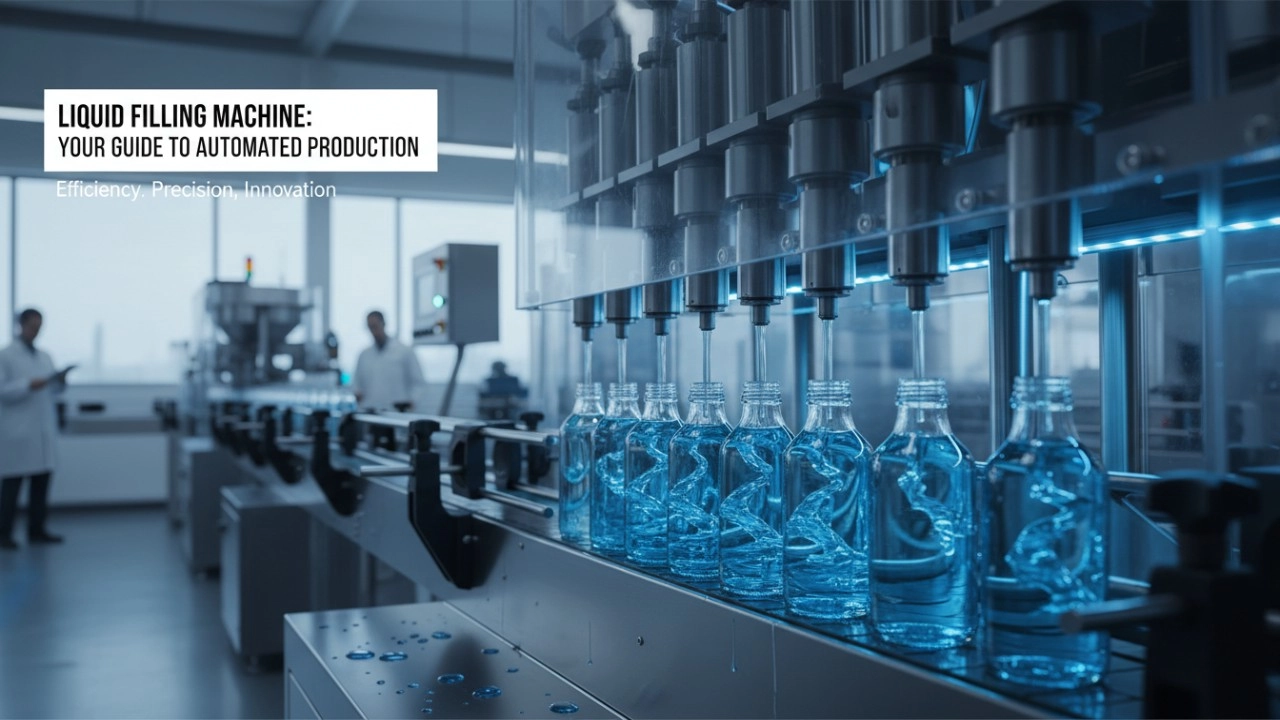
Beyond Automation: How Smart Liquid Filling Machines are Transforming Modern Packaging Lines
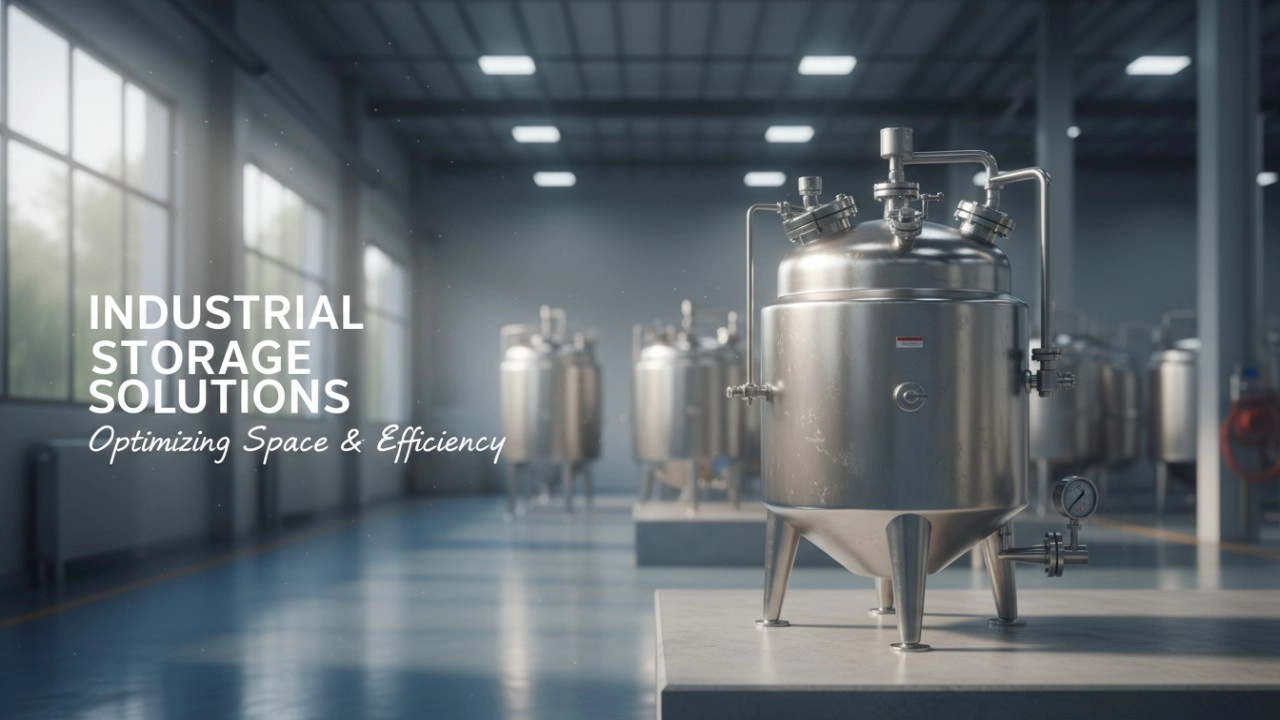
7 Dangerous Mistakes Most Companies Make with Underground Storage Tanks (USTs)
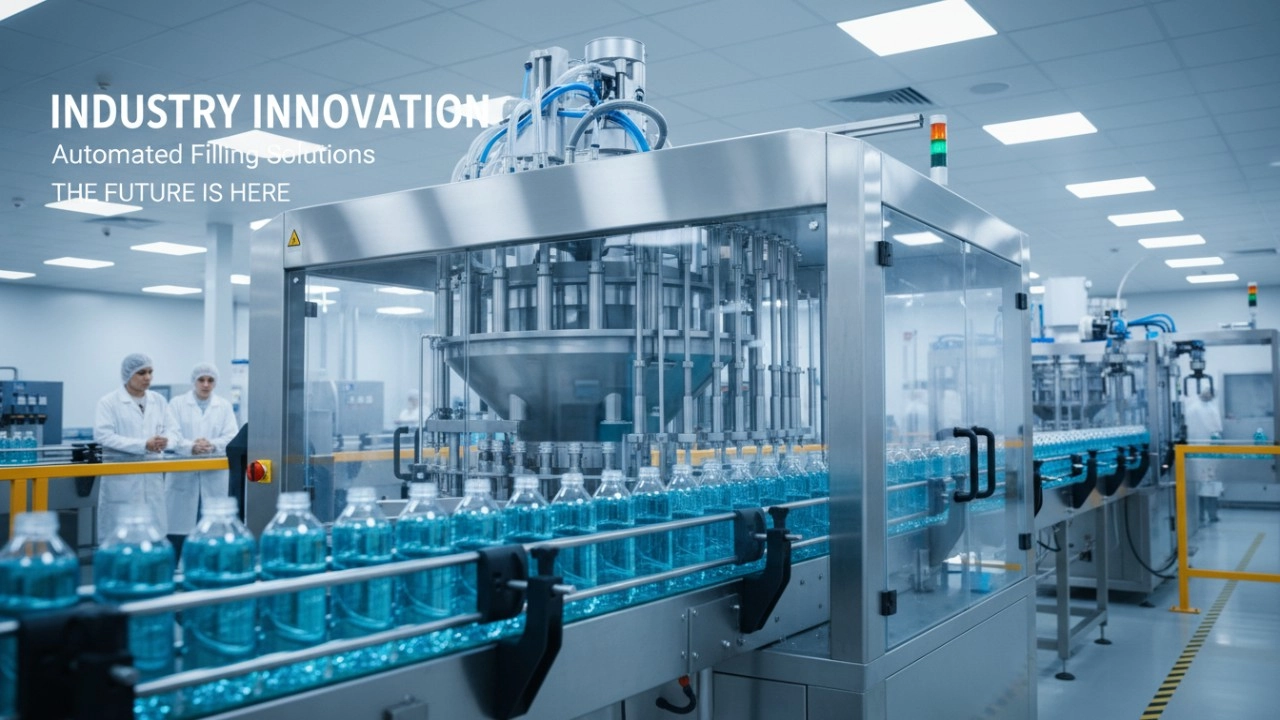
How to Future-Proof Your Production Line: The Latest Innovations in Precision Filling Machinery (2026 Guide)
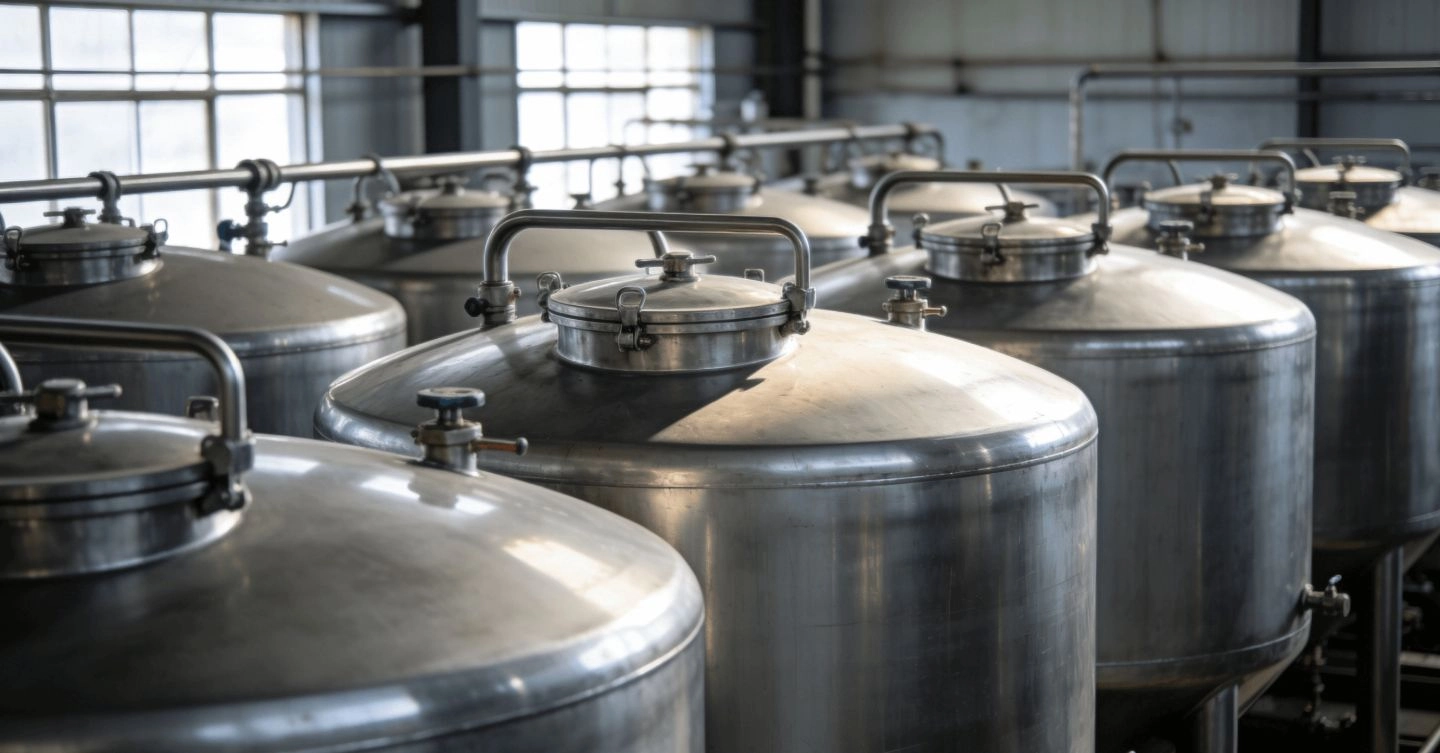
The Definitive Guide to Industrial Storage Tanks 2026: Why Food-Grade Stainless Steel is the Gold Standard
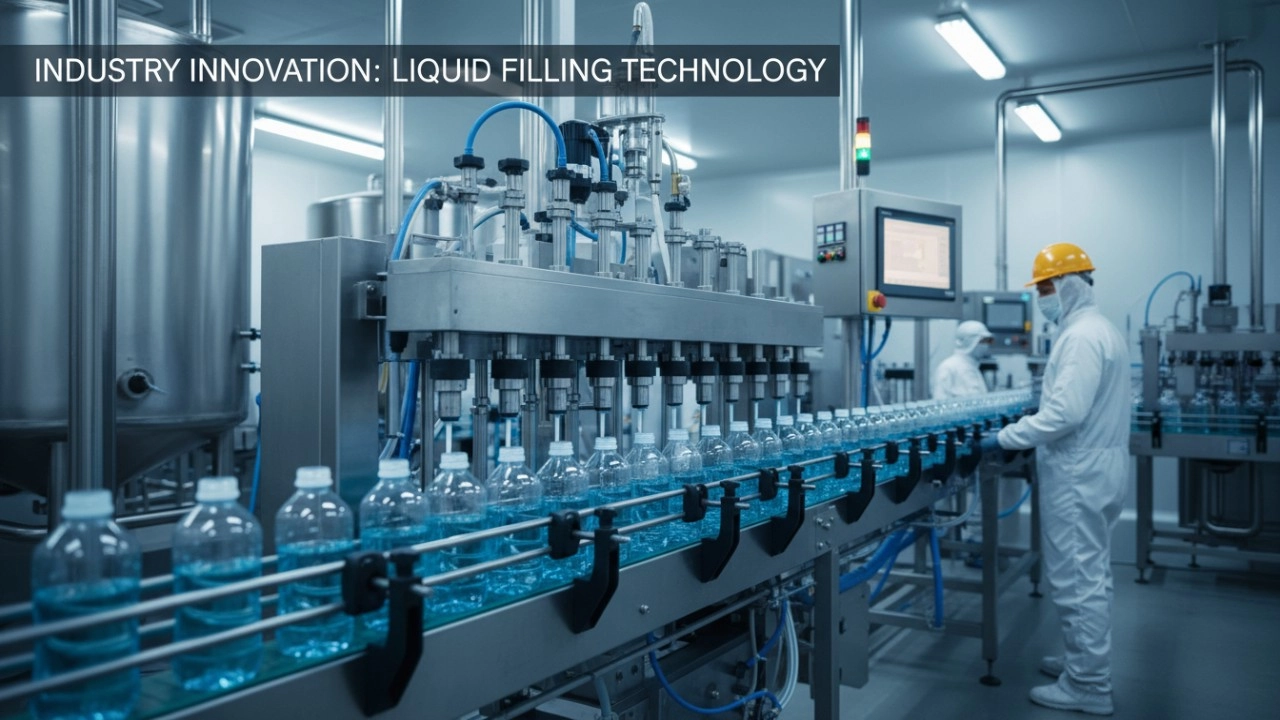
The Ultimate 2026 Guide to Liquid Filling Machines: Types, Technologies, and Strategic Selection
Water Cooling Induction Sealer
Can the induction sealing machine lift up and down?
Yes, there is handle wheel to adjust the height of sealing head according to different bottle height.
What type of container is the heat induction sealer suitable for?
The material of the container can be polyethylene (PE), polypropylene (PP), polystyrene (PS), polyester (PET), ABS, glass, ceramics, etc., but can not be used for metal bottles or metal caps.
Liquid Soap Mixer Machine
Do you also provide liquid soap formula and technical training for a new user?
Yes, Yuany is experienced in liquid soap production for many years. We can provide professional training and teach face to face for clients. Don’t hesitate to contact us.
Ribbon mixer
Do you also have a machine for powder feeding?
Yes, we also manufacture powder feeder machine for the horizontal mixer machine. It is usually recommended the screw powder feeder type.
Can the control panel be customized to be hung on the wall?
Yes, we customize a separated control panel which can be moved and installed on the wall or other places.
Leave a message
Have any questions or concerns about our products? Please leave us a message here, and our team will get back to you promptly.
 Scan QR Code
Facebook
YouTube
LinkedIn
Whatsapp: +8613434139712
Guangzhou Yuanyang Machinery