





What is an auger feeder? | YUANYANG Guide
What is an Auger Feeder?
Industrial professionals frequently search for efficient methods to deliver accurate, consistent raw materials into mixing systems. This article explains what an auger feeder is, its integration in industrial mixers, core benefits, and usage tips, helping you boost process efficiency and reduce material waste.
Definition: Auger Feeder
- An auger feeder is a mechanical device using a helical screw blade (auger) to move, dose, and feed bulk materials like powders, granules, or pellets into industrial mixers.
- It ensures precise, controlled, and even feeding, which is vital for consistent mixing results.
- Common synonyms: *screw feeder*, *screw conveyor*.
Core Components
- Helical Screw Blade: Rotates in a tube or trough to push material forward.
- Drive System: Usually an electric motor for steady, adjustable speed control.
- Casing/Tube: Encases the auger, minimizing spillage and dust.
- Hopper: Holds material before it enters the auger.
How Auger Feeders Work
- Material enters the feeder hopper.
- The rotating screw pushes material through the casing at set rates.
- Output feed rate is adjusted by RPM, screw diameter, and pitch.
Typical Industrial Applications
- Powder Feed to Mixers: Ensuring continuous, accurate supply in bakery, chemical, and pharmaceutical blending.
- Grain and Pellet Handling: Used in feed mills for precise dosing.
- Additive Feeding: Delivers additives, colorants, or enzymes into primary mixers for plastics and food processing.
Key Benefits of Auger Feeders
- Precise Metering: Accuracy often within ±1% of flow rate for dry materials (CEMA, 2023 Guidelines).
- Consistent Blending: Prevents segregation and promotes even distribution.
- Hygienic Design: Stainless steel options for food and pharma.
- Reduced Material Loss: Enclosed system greatly reduces dust and spillage.
- Scalability: Suits both small batch and large-scale operations.
Integration with Industrial Mixers
- Compatible with ribbon, paddle, and plow mixers.
- Easily incorporated into automated and manual feed systems.
- Offers real-time recipe control and data logging with modern PLC integration.
Best Practices
- Material Compatibility: Verify screw pitch and diameter for free-flowing vs. cohesive materials.
- Maintenance: Schedule regular inspections to prevent buildup and wear.
- Calibration: Recalibrate for new materials or flow rates to ensure accuracy.
Authoritative References
- Conveyor Equipment Manufacturers Association (CEMA): Technical documents on screw feeder design and operation.
- Powder & Bulk Solids Industry Reports (2023): On feeder efficiency and material handling trends.
*For custom auger feeder solutions tailored to your industrial mixing needs, contact the YUANYANG engineering team today.*
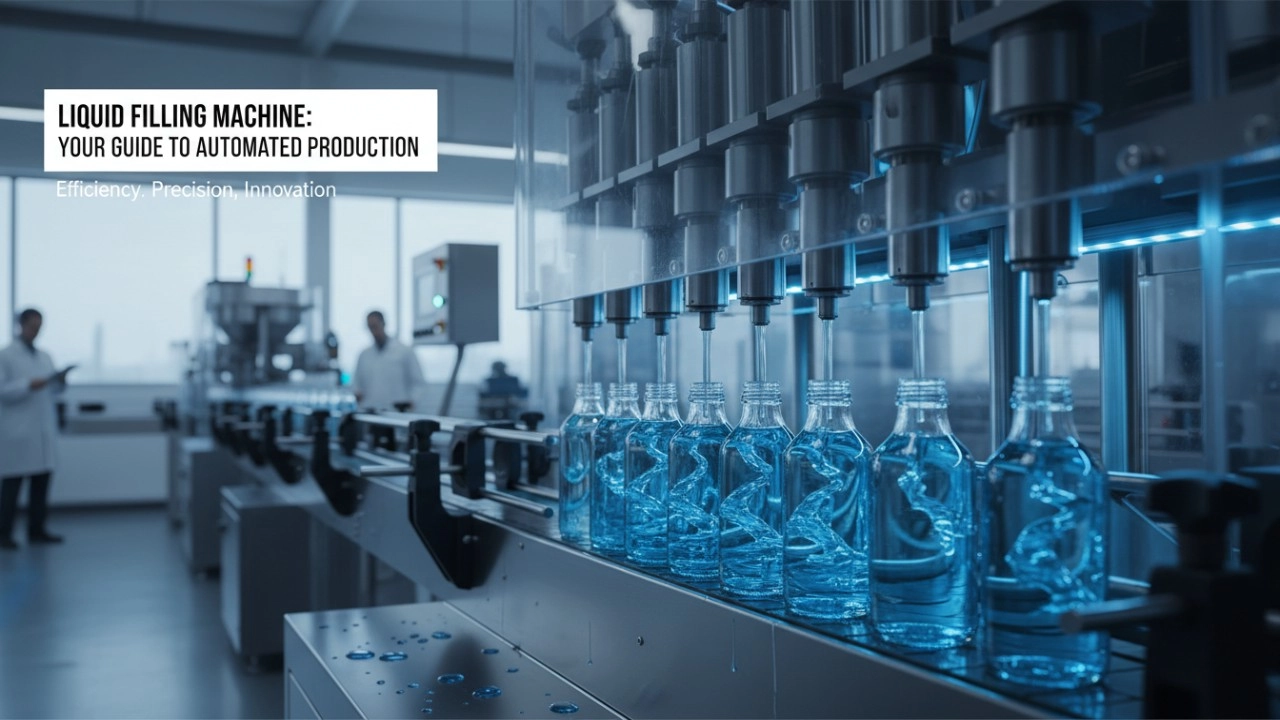
Beyond Automation: How Smart Liquid Filling Machines are Transforming Modern Packaging Lines
7 Dangerous Mistakes Most Companies Make with Underground Storage Tanks (USTs)
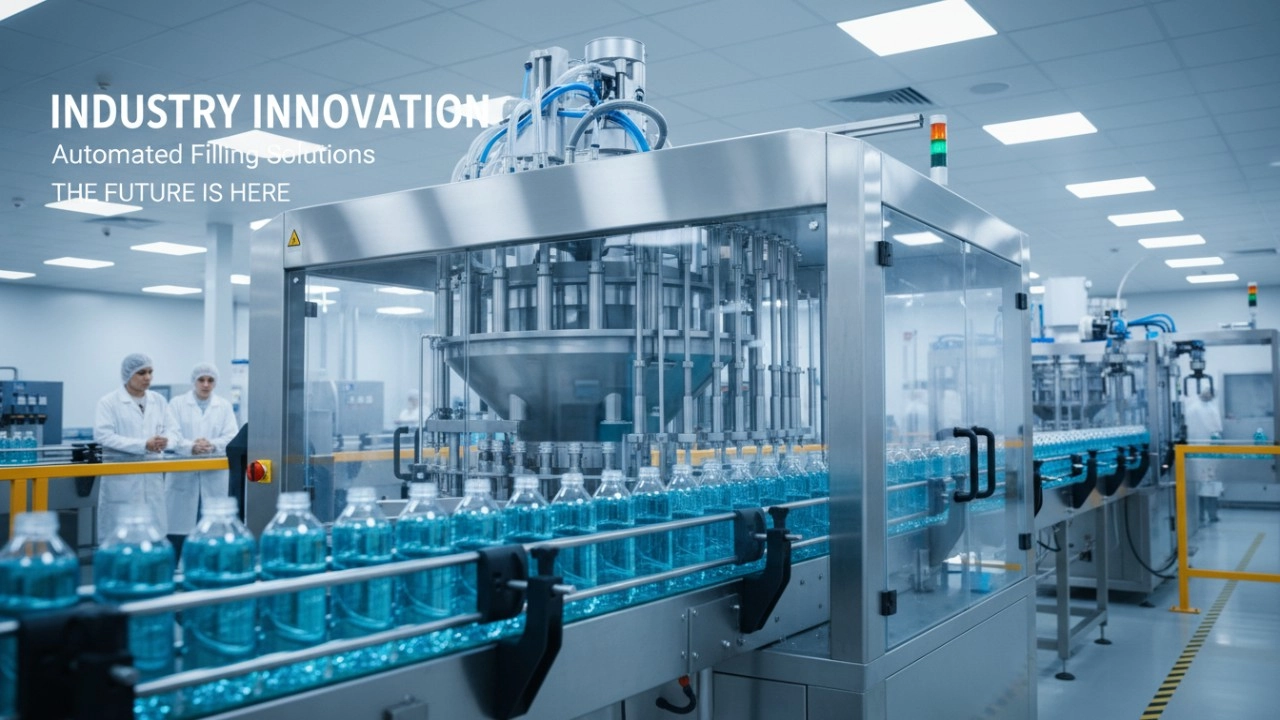
How to Future-Proof Your Production Line: The Latest Innovations in Precision Filling Machinery (2026 Guide)
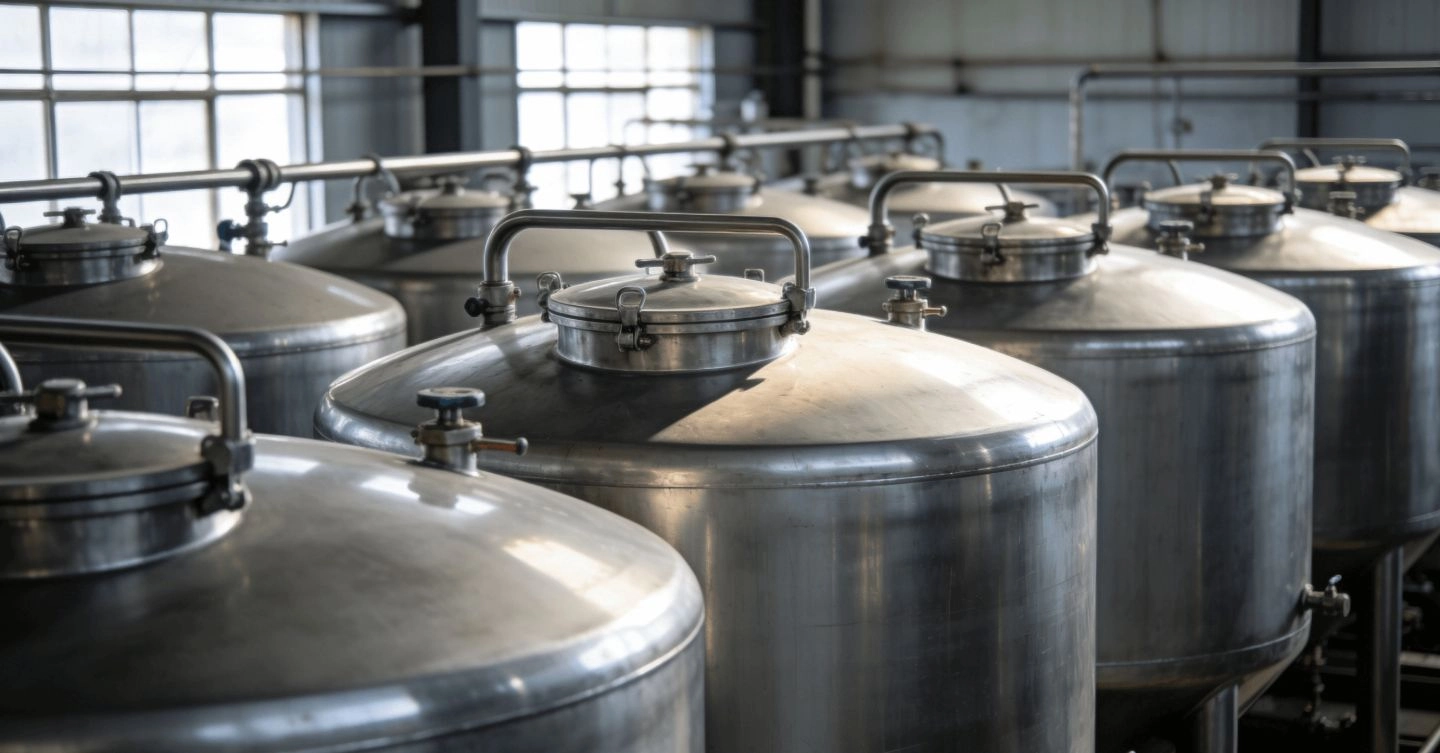
The Definitive Guide to Industrial Storage Tanks 2026: Why Food-Grade Stainless Steel is the Gold Standard
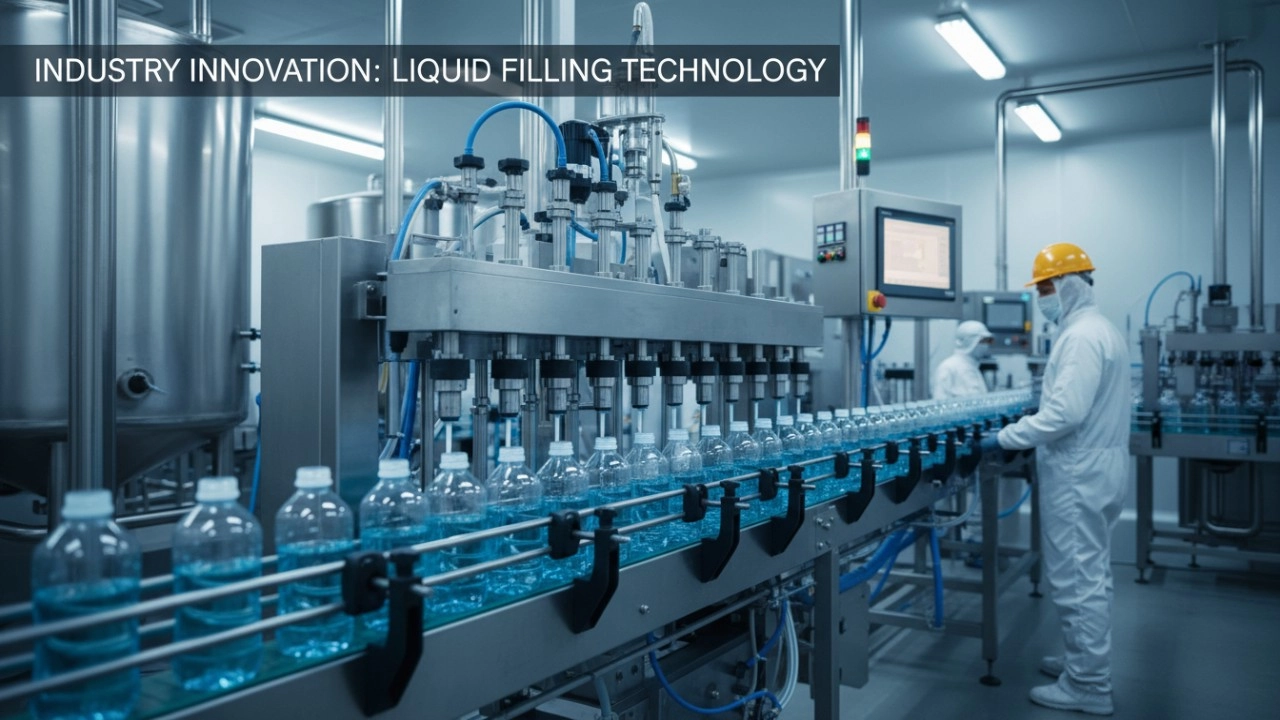
The Ultimate 2026 Guide to Liquid Filling Machines: Types, Technologies, and Strategic Selection
Cosmetic Making Machine
How does water phase and oil phase materials get into the main homogenizer mixer tank?
The cosmetic mixing machine is designed vacuum feeding system. The water and oil pots can be automatically sucked into main emulsifying mixer pot under vacuum condition by conveying pipes to ensure materials are protected from external contamination.
Hydraulic Lift Vacuum Mixer
What’s the feature of water tank and oil tank?
The water tank and oil tank are for pre-treatment for better mixing efficient when sucked into main emulsifying tank. The two tanks are often equipped with bottom dispersing plate or top mixing and double jackets for heating and insulation.
Powder Sachet Packaging Machine
Can the packaging machine for powder pack different weight in one machine?
Yes, the filling weight is adjustable with certain range. Client should tell the estimated filling weight to confirm. Different filling range may require different auger size.
Homogenizer Mixing Tank with Circulation System
Do you have CE certificate for the homogenizing mixer, which is a must of custom clearance for goods imported to European countries?
Yes, we have applied CE for the homogenizing mixers, all the mixers are manufactured according to the standard of CE.
FAQs
What’s the guarantee if we purchase from you?
All the equipment ordered from us will be provided with 2 years guarantee from the delivery date. If there is any wearing part broken within the warranty and isn’t caused by improper operation, we would offer the new parts for free.
Leave a message
Have any questions or concerns about our products? Please leave us a message here, and our team will get back to you promptly.
 Scan QR Code
Facebook
YouTube
LinkedIn
Whatsapp: +8613434139712
Guangzhou Yuanyang Machinery