





what is a ro water filter | YUANYANG Guide
# What Is an RO Water Filter?
Reverse Osmosis (RO) water filters are advanced filtration systems that remove contaminants, minerals, and impurities from water. They are essential in industries requiring ultra-pure water, including pharmaceuticals, food processing, and chemical manufacturing—where industrial mixers rely on consistent water quality.
How Does an RO Water Filter Work?
- Semi-Permeable Membrane: Filters water at a molecular level, blocking dissolved solids, bacteria, and chemicals.
- Multi-Stage Filtration: Typically includes pre-filters (sediment, carbon) and post-filters for polishing.
- Pressure-Driven Process: Water is forced through the membrane, leaving contaminants behind.
- Wastewater Discharge: RO systems produce reject water (brine), requiring proper disposal or recycling.
Why Are RO Filters Important in Industrial Mixing?
- Consistent Water Quality: Ensures uniform mixing results in chemical, food, or pharmaceutical production.
- Prevents Contamination: Removes impurities that could degrade product integrity or equipment lifespan.
- Regulatory Compliance: Meets strict industry standards (e.g., FDA, EPA) for water purity.
Key Considerations for Industrial Applications
- Flow Rate & Capacity: Match RO system output to mixer demand.
- Maintenance Requirements: Regular membrane cleaning/replacement ensures efficiency.
- Water Source Analysis: Test feed water to optimize filtration stages.
Sources & Further Reading
- (https://www.epa.gov)
- (https://www.fda.gov)
For industrial mixer professionals, understanding RO water filters ensures optimal performance and product quality. Need a system tailored to your mixing process? Contact YUANYANG for expert solutions.
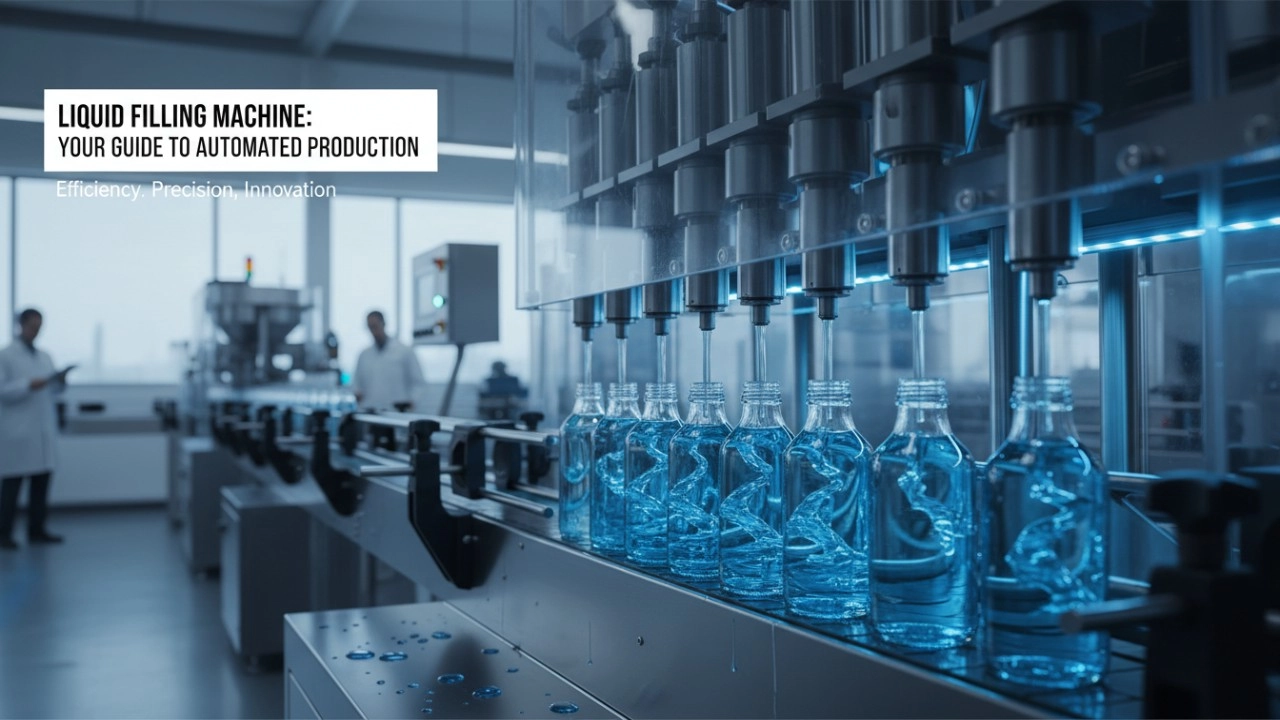
Beyond Automation: How Smart Liquid Filling Machines are Transforming Modern Packaging Lines
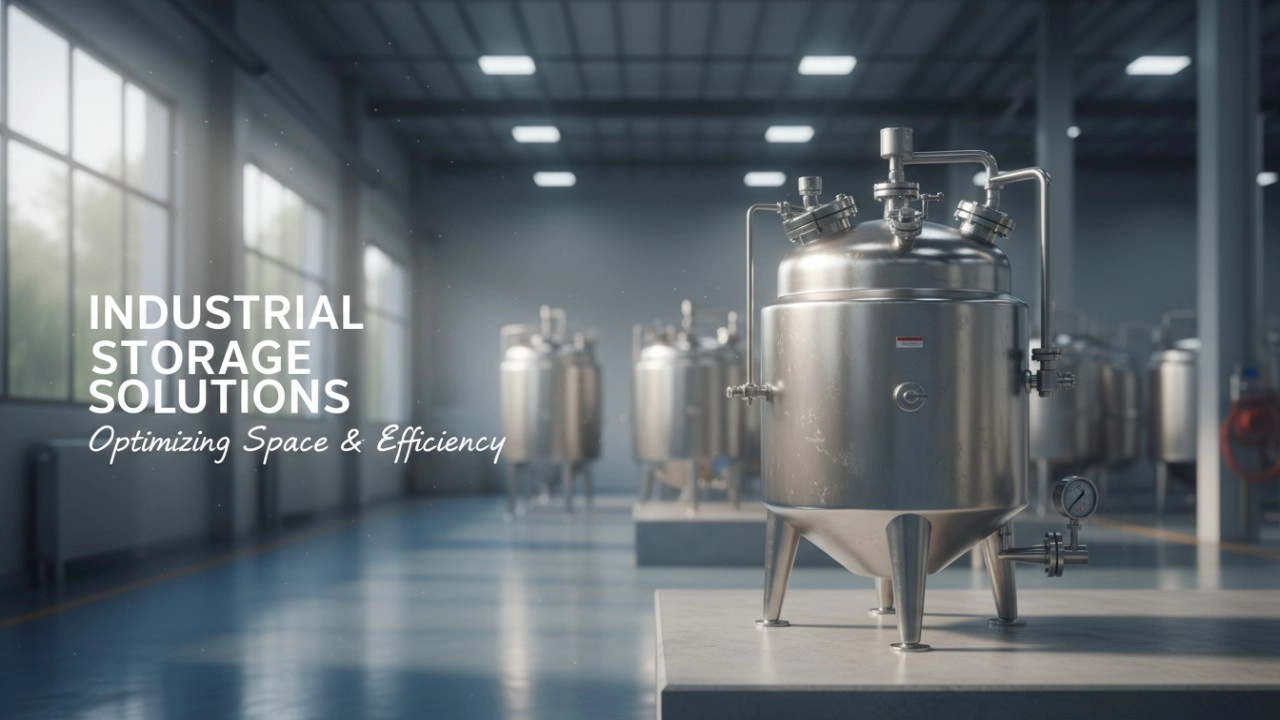
7 Dangerous Mistakes Most Companies Make with Underground Storage Tanks (USTs)
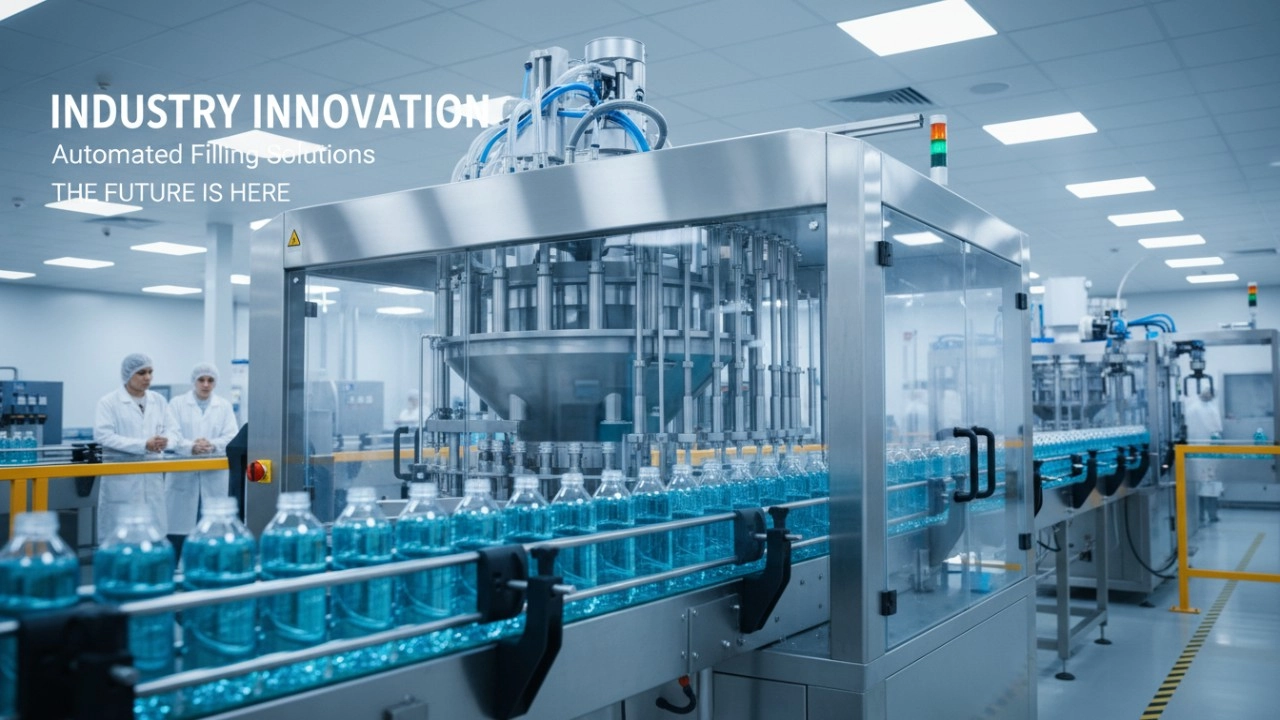
How to Future-Proof Your Production Line: The Latest Innovations in Precision Filling Machinery (2026 Guide)
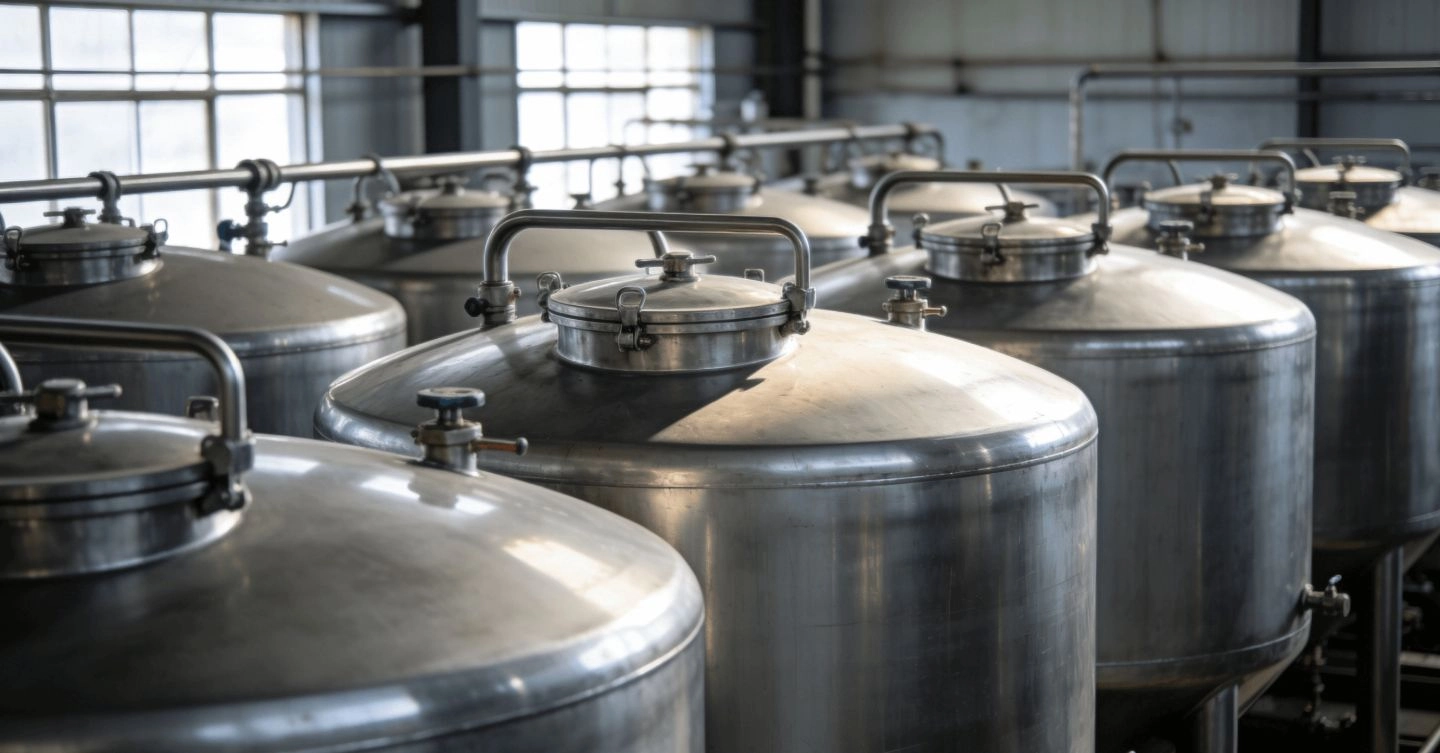
The Definitive Guide to Industrial Storage Tanks 2026: Why Food-Grade Stainless Steel is the Gold Standard
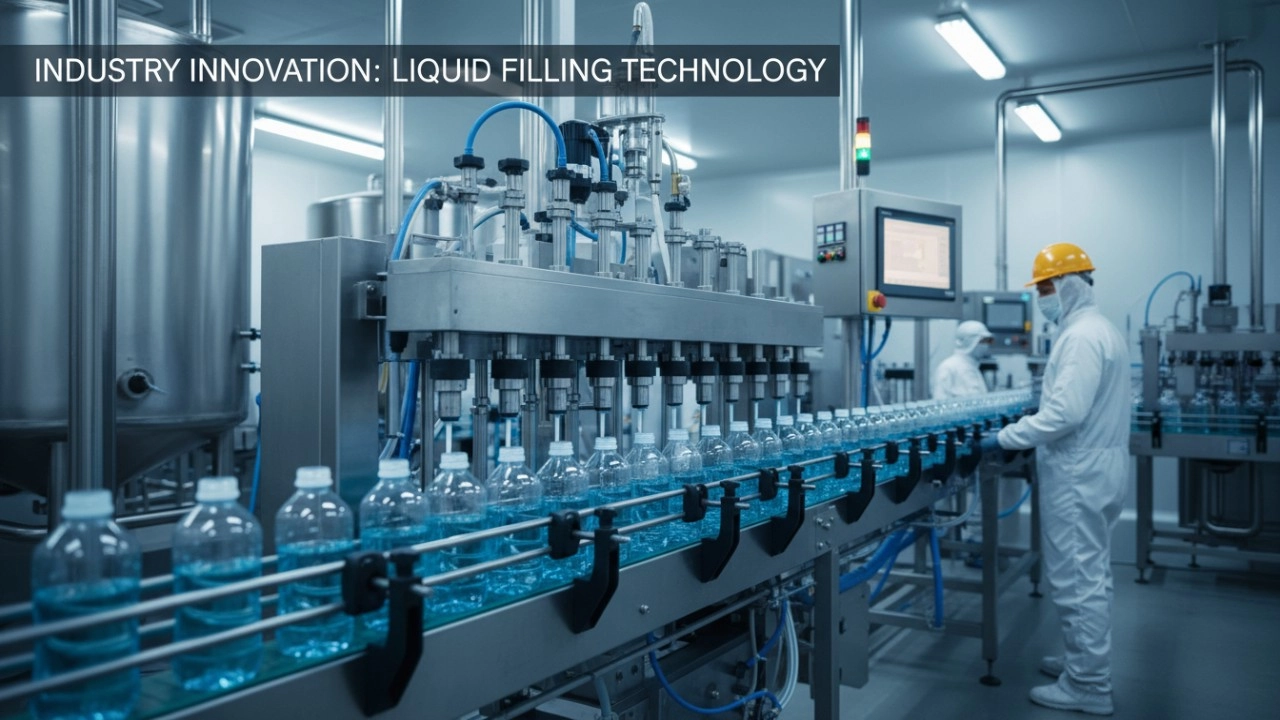
The Ultimate 2026 Guide to Liquid Filling Machines: Types, Technologies, and Strategic Selection
Homogenizer Mixing Tank with Circulation System
Do you have a water pump with flow meter installed for the shampoo mixer machine?
Yes, water pump with flow meter can be added upon requirements.
Detergent powder mixer
How long does the bulk powder mixer take for each batch?
It takes about around 15 minutes for every batch, not including feeding time and discharge time.
Homogneizer mixer tank
What function does the liquid washing homogenizer have?
The homogenizer is an integrated equipment with mixing, dispersing, homogenizing, heating system.
Desktop Bottle Sealing Machine
Is the desktop sealing machine used before capping or after capping?
The semi automatic sealing machine should be used after capping machine, but remember to put lid lining before capping.
How does the automatic bottle sealing machine work?
Electromagnetic induction sealing machine uses high-frequency electromagnetic field to act on the packaging film, resulting in an induced current inside, which will generate heat, melt the packaging film, and then form a sealing after cooling.
Leave a message
Have any questions or concerns about our products? Please leave us a message here, and our team will get back to you promptly.
 Scan QR Code
Facebook
YouTube
LinkedIn
Whatsapp: +8613434139712
Guangzhou Yuanyang Machinery