





Batch Documentation Best Practices for Emulsifier Use
- Batch Documentation Best Practices for Emulsifier Use
- Why robust batch documentation matters for emulsifying machine operations
- Product reference — 50L Hydraulic Lift Vacuum Emulsifier
- Regulatory expectations and quality frameworks for batch records
- Essential elements to include in every emulsifying machine batch record
- Emulsifying machine-specific parameters: what to record for the 50L Hydraulic Lift Vacuum Emulsifier
- Recommended process parameter table
- Good documentation practices (GDP) for paper and electronic batch records
- ALCOA+ checklist (quick reference)
- Common deviations with emulsifying machines and how to document them
- Using batch records for continuous improvement and traceability
- Brand advantages: why the 50L Hydraulic Lift Vacuum Emulsifier helps your documentation and quality goals
- Practical templates and record examples (what to start with)
- FAQ — Common questions about batch documentation for emulsifiers
- Q: What are the most critical parameters to record on an emulsifying machine?
- Q: How do I validate a batch record template?
- Q: Can I use handwritten records with the 50L Hydraulic Lift Vacuum Emulsifier?
- Q: What retention period should I use for batch records?
- Q: How should deviations caused by equipment (e.g., vacuum pump failure) be recorded?
- Contact sales / View product
- Authoritative references and further reading
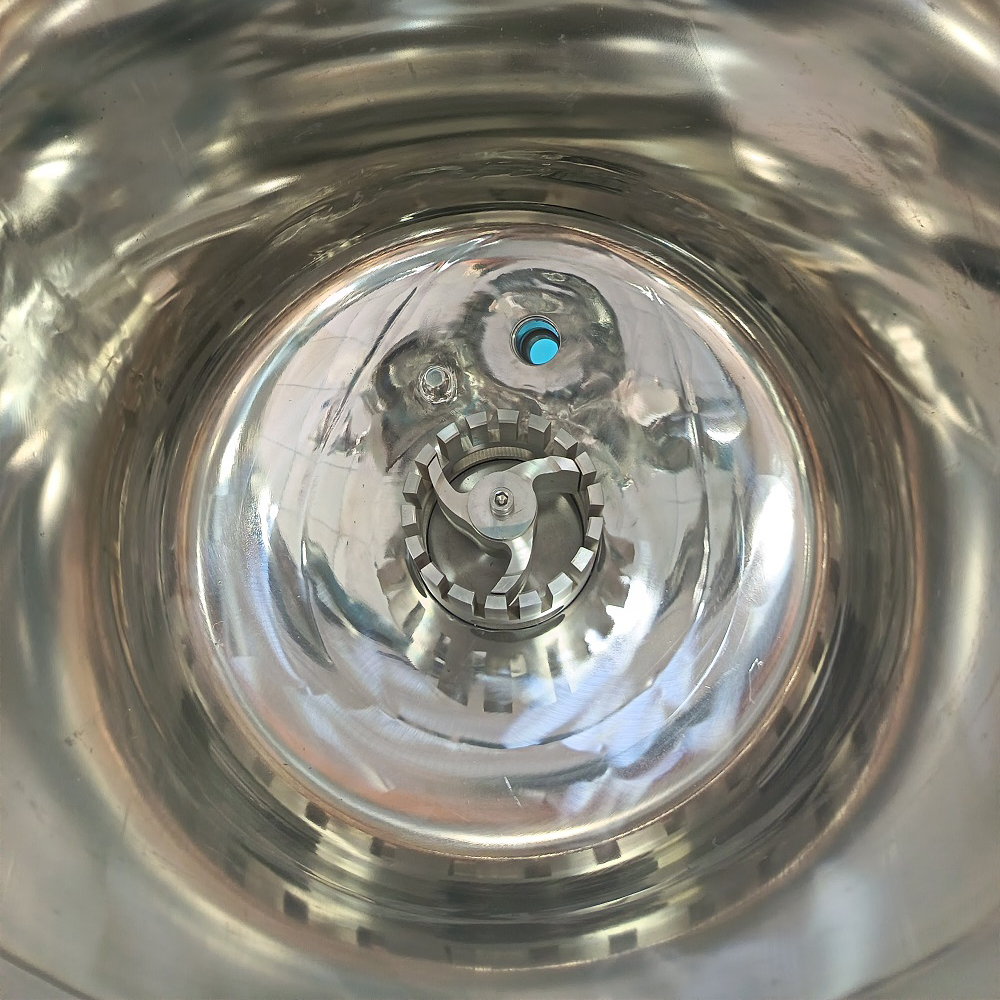
Batch Documentation Best Practices for Emulsifier Use
Accurate, consistent batch documentation is the backbone of quality production when using an emulsifying machine. Whether you manufacture cosmetics, foods, pharmaceuticals or specialty chemicals, well-structured batch records ensure product consistency, regulatory compliance, and rapid root-cause analysis when deviations occur. This article explains best practices tailored to vacuum homogenizers and emulsifiers, with specific operational guidance for the 50L Hydraulic Lift Vacuum Emulsifier. Comprehensive documentation ultimately feeds back into better equipment utilization, reinforcing the value of revisiting the 50L hydraulic vacuum emulsifier key features overview to optimize future batches.
Why robust batch documentation matters for emulsifying machine operations
Batch documentation is more than paperwork — it is the formal record that links raw materials, process settings, operator actions and quality checks to a finished batch. For emulsifying machine processes this is critical because emulsions are sensitive to sequence, temperature, shear, mixing time and vacuum. Proper records reduce variability, demonstrate compliance with Good Manufacturing Practice (GMP) expectations, and protect manufacturers from quality failures or recalls.
Product reference — 50L Hydraulic Lift Vacuum Emulsifier
Include the product description and features directly in your equipment master file and operator training materials so the team understands machine capabilities. Example product information for documentation:
<p>Yuanyang hydraulic lift vacuum emuslifier is a combined mixing equipment with a main vacuum homogenizer tank, a water tank, and an oil tank, which is an integrated equipment with a mixing, dispersing, homogenizing, emulsifying, vacuumizing and powder absorption system that is widely used in cosmetics, food, pharmaceutical, and chemical fields.</p>
</p>
<p>Features:</p>
<p>⦁ With a hydraulic lift lid & tilting pot, vacuum system, and electric control system.</p>
<p>⦁ Suitable for products of 10,000~50,000 cps viscosity.</p>
<p>⦁ Perfect particle size of 2 microns and evenly distributed.</p>
Regulatory expectations and quality frameworks for batch records
Regulators expect batch records to show a clear, auditable trail. In the pharmaceutical and food sectors this typically follows GMP principles (FDA, WHO, EMA). Key expectations include traceability of raw materials, demonstration that critical process parameters (CPPs) were within limits, in-process control results, and evidence of approved operators and equipment readiness.
Adopt ALCOA+ principles for data integrity: Attributable, Legible, Contemporaneous, Original, Accurate, plus Complete, Consistent, Enduring, Available. Document every critical action as close to the time of performance as possible (contemporaneous entries).
Essential elements to include in every emulsifying machine batch record
Design a standardized batch record template that always contains the following fields. These elements help capture the specifics of an emulsifying machine run and support reproducibility and traceability.
- Batch identifier, product code and production date/time
- Formula version and reference (including revision history)
- Equipment identification: emulsifying machine model (e.g., 50L Hydraulic Lift Vacuum Emulsifier), serial number, and calibration status
- Raw materials: supplier, lot/batch number, quantity weighed, certificate of analysis (CoA) reference, acceptance status
- Operator name(s) and shift
- Pre-run checks: cleaning verification, seals/gaskets, vacuum pump oil, thermocouples, sensors
- Process parameters (recorded with time stamps): temperature ramps, mixing speed (rpm), homogenizer head speed, vacuum level (mbar or kPa), mixing time, order of addition, and tilt/lift actions
- In-process sampling and test results (pH, viscosity, droplet size if available, appearance)
- Deviations and corrective actions with dated approvals
- Final QC release data and signatures
- Packaging, labeling, yield, and retention sample details
Emulsifying machine-specific parameters: what to record for the 50L Hydraulic Lift Vacuum Emulsifier
Different emulsifying machines have unique control points. For the Yuanyang 50L Hydraulic Lift Vacuum Emulsifier, add these machine-specific fields to the batch record to capture critical conditions that affect emulsion quality:
- Vacuum set point and achieved vacuum profile over time
- Homogenizer rotor-stator head speed and mode (if variable)
- Hydraulic lid position and tilting pot actions (times when lifted/tilted)
- Heating/cooling jacket temperatures and ramp rates
- Powder feeding times and powder absorption system settings
- Target and measured viscosity range
- Recorded particle/droplet size (e.g., achieved 2 microns typical for this model)
Recommended process parameter table
Use a table in the batch record to standardize entries for typical product types. An example comparison for low, medium and high viscosity products:
| Product Viscosity | Homogenizer Speed (rpm) | Vacuum (mbar) | Mix Time (min) | Expected Mean Droplet Size |
|---|---|---|---|---|
| Low (1,000–10,000 cps) | 2000–4000 | 50–100 | 15–30 | <2 μm |
| Medium (10,000–30,000 cps) | 1500–3000 | 80–150 | 20–40 | ~2 μm |
| High (30,000–50,000 cps) | 1000–2000 | 100–200 | 30–60 | ~2–5 μm |
Note: the values above are indicative. Record the actual achieved values for each batch and correlate them to product tests to refine optimal ranges.
Good documentation practices (GDP) for paper and electronic batch records
Decide whether to use paper batch records, an electronic batch record (EBR) system, or a hybrid. Whichever system you use, adhere to GDP and data integrity rules. Key practices:
- Use pre-printed templates with clear fields for required data
- Ensure entries are signed and time-stamped; for EBRs use secure user IDs and audit trails
- Never obliterate entries; correct errors with a single line-through, reason, date, and initials (for paper)
- Keep master records (SOPs, recipes) version controlled and linked to each batch
- Retain batch records for the regulatory-required period for your product class
ALCOA+ checklist (quick reference)
Create a simple checklist that operators and QA use to confirm data integrity before release:
| ALCOA+ Element | Check |
|---|---|
| Attributable | Entries linked to operator ID/signature |
| Legible | All handwriting readable or electronic logs clear |
| Contemporaneous | Times recorded when activity performed |
| Original | Retain source records and primary data |
| Accurate | Values match instrument outputs; no transcription errors |
| Complete/Consistent | All required fields filled and format consistent |
| Enduring/Available | Records retained and accessible for audits |
Common deviations with emulsifying machines and how to document them
Common issues include vacuum loss, overheating, pump failure, unexpected viscosity changes, and count or contamination of raw materials. When deviations occur, document the following:
- Time and operator discovery
- Immediate containment actions taken
- Impact assessment (in-process product, finished product)
- Root cause analysis steps and evidence
- Corrective and preventive actions (CAPA) with implementation dates
- Approval by QA and disposition decision for affected material
Well-documented deviations demonstrate control — regulators expect to see that you not only recorded the problem but also investigated and fixed the root cause.
Using batch records for continuous improvement and traceability
Batch records become extremely valuable when used analytically. Over time you can mine data for trends that identify process drift, equipment wear, or raw material variability. Implement routine reviews that compare process parameters (e.g., homogenizer RPM vs. droplet size) and link to product quality metrics. This supports capability studies, process optimization, and reduced rejection rates.
Brand advantages: why the 50L Hydraulic Lift Vacuum Emulsifier helps your documentation and quality goals
The Yuanyang 50L Hydraulic Lift Vacuum Emulsifier combines the following features that simplify and strengthen batch documentation:
- Integrated vacuum homogenizer, water tank and oil tank — reduces inter-equipment transfers and simplifies traceability entries
- Hydraulic lift lid and tilting pot — allows clear timestamps for pot adjustments and transfer operations in the batch record
- Electric control system — provides digital readings that can be recorded directly into EBR systems, improving accuracy and contemporaneous data capture
- Capability to achieve fine particle sizes (~2 microns) — when you document achieved droplet size results, you can reliably demonstrate product performance
Document the equipment's calibration and maintenance logs alongside batch records to link machine condition to product outcomes.
Practical templates and record examples (what to start with)
Start with a minimal viable batch record that captures the absolute essentials, then expand to include more detail as you validate process parameters. A phased approach reduces initial training friction while keeping a path to robust documentation.
- Phase 1: Essential fields only (batch ID, formula, raw materials, key temperatures, time, operator, final QC)
- Phase 2: Add machine-specific logs (vacuum profile, homogenizer speed, lid/tilt actions)
- Phase 3: Integrate sensors and EBR for automatic capture of parameters and audit trails
FAQ — Common questions about batch documentation for emulsifiers
Q: What are the most critical parameters to record on an emulsifying machine?
A: Temperature profile, homogenizer speed, vacuum level, mixing time, order of addition, and in-process viscosity/pH are typically the most critical. Also record operator and equipment identifiers.
Q: How do I validate a batch record template?
A: Perform a trial run with full documentation, compare results against expected quality attributes, and adjust the template to ensure all CPPs and necessary traceability items are captured. Include QA sign-off and version control.
Q: Can I use handwritten records with the 50L Hydraulic Lift Vacuum Emulsifier?
A: Yes — but follow ALCOA+ rules. If possible, integrate digital readouts from the machine into your EBR to minimize transcription errors and improve contemporaneous recording.
Q: What retention period should I use for batch records?
A: Retention periods vary by product type and regulation. Pharmaceuticals often require multi-year retention; cosmetics and food have different regional rules. Check local regulations and company policy.
Q: How should deviations caused by equipment (e.g., vacuum pump failure) be recorded?
A: Record discovery time, immediate containment, impact assessment, root cause analysis, CAPA, and QA disposition. Link the deviation to maintenance and calibration records for the vacuum pump.
Contact sales / View product
If you would like a copy of a batch record template tailored to your product or a technical datasheet for the 50L Hydraulic Lift Vacuum Emulsifier, contact our sales team or visit the product page. For immediate assistance, email [email protected] or call +1-800-555-0123. View the product specifications and request a quote at: https://www.yourcompany.com/products/50l-hydraulic-vacuum-emulsifier
Authoritative references and further reading
Use these sources to align your documentation practices with industry standards and deepen your technical understanding:
- Emulsion — Wikipedia: https://en.wikipedia.org/wiki/Emulsion
- Mixing (process engineering) — Wikipedia: https://en.wikipedia.org/wiki/Mixing_(process_engineering)
- US FDA — Drug Manufacturing and Quality: https://www.fda.gov/drugs/pharmaceutical-quality-resources/drug-manufacturing
- World Health Organization — Good Manufacturing Practices: https://www.who.int/publications/i/item/guidelines-on-good-manufacturing-practices
- ISO — Quality Management (ISO 9001 overview): https://www.iso.org/iso-9001-quality-management.
Implementing these batch documentation best practices will reduce production variability, simplify audits, and increase confidence in product quality when using an emulsifying machine like the 50L Hydraulic Lift Vacuum Emulsifier.
How to Choose the pill powder mixer manufacturer and supplier in Asia?
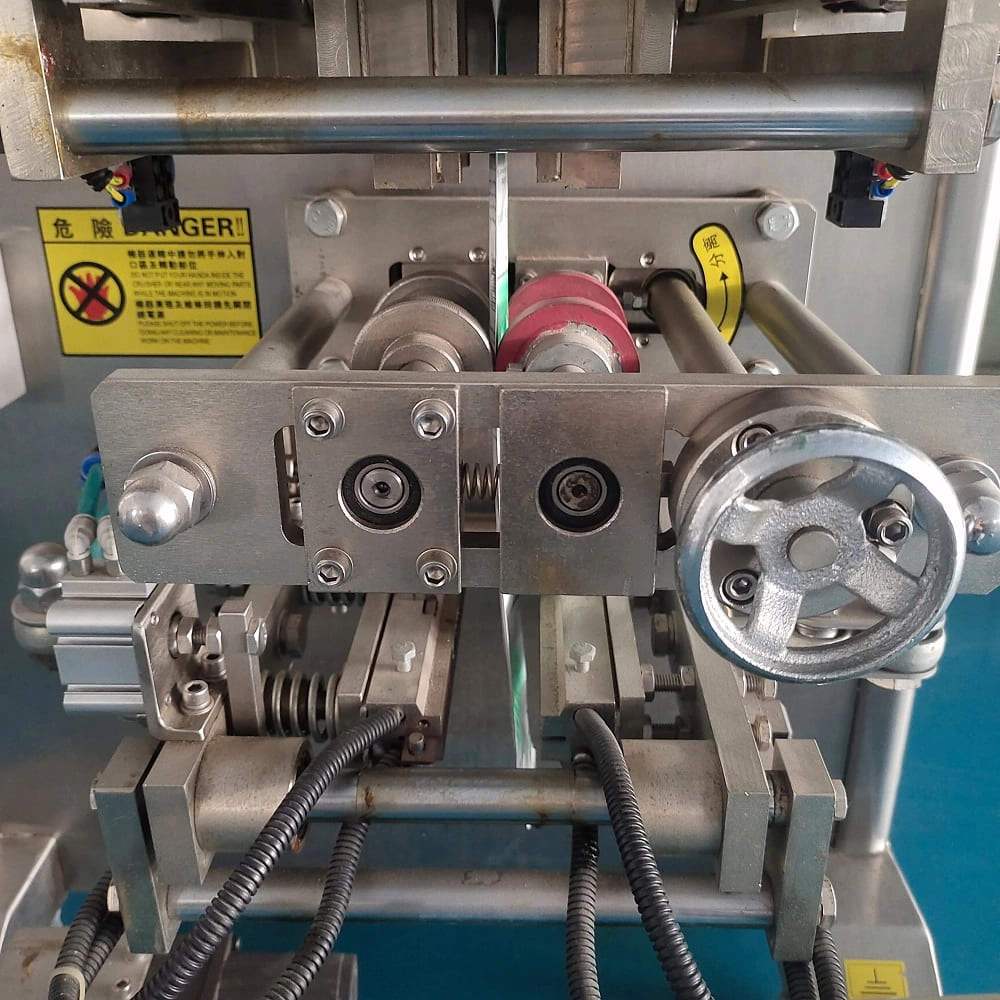
Selecting the Right Servo Drive for Sachet Machines
Tips for Wholesale filling and sealing machines in America
Top 10 blister packaging sealing machine Manufacturers and Supplier Brands
Water Filling Machine
Does it have counting function?
On the desktop filling machine, there is counter displaying how many bottles have been filled.
Hydraulic Lift Vacuum Mixer
What’s the designed capacity and working capacity for the 500L hydraulic vacuum mixer?
The designed capacity is 540 liters, the working capacity is 500 liters.
Liquid Soap Mixer
Can you customize soap mixer machine accordingly if the ceiling height is limited?
Yes, the tank size will be customized, the top motor can be horizontal to make sure the complete set machine can fit client’s factory.
Aluminum Foil Sealing Machine
What’s the cooling method of the bottle lid sealing machine?
This bottle lid sealer adopts air cooling method.
Detergent powder mixer
How long does the bulk powder mixer take for each batch?
It takes about around 15 minutes for every batch, not including feeding time and discharge time.
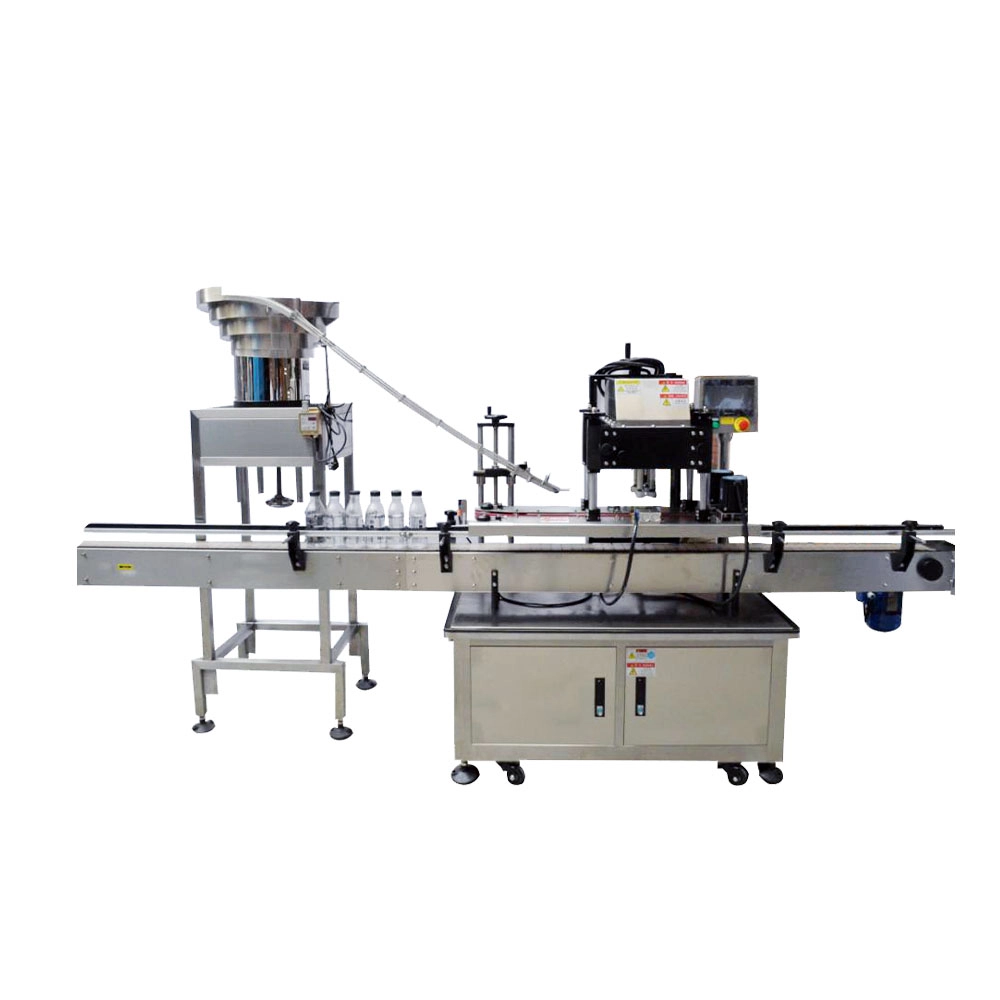
Automatic Plastic Caps Capping Machine with Vibrating Cap Feeder for Sale
Yuanyang automatic screw capping machine is a kind of four-wheel bottle capping machine. The automatic screw capper is often used to close lids of containers such as bottles and jars, especially for plastic bottles, which are widely used in food, medicine, chemical, cosmetic, and other industries for mass production and continuous production lines.
Features:
⦁ Full pneumatic drive;
⦁ Automated fast speed;
⦁ Suitable for various screw caps, pumps, and spray bottles.
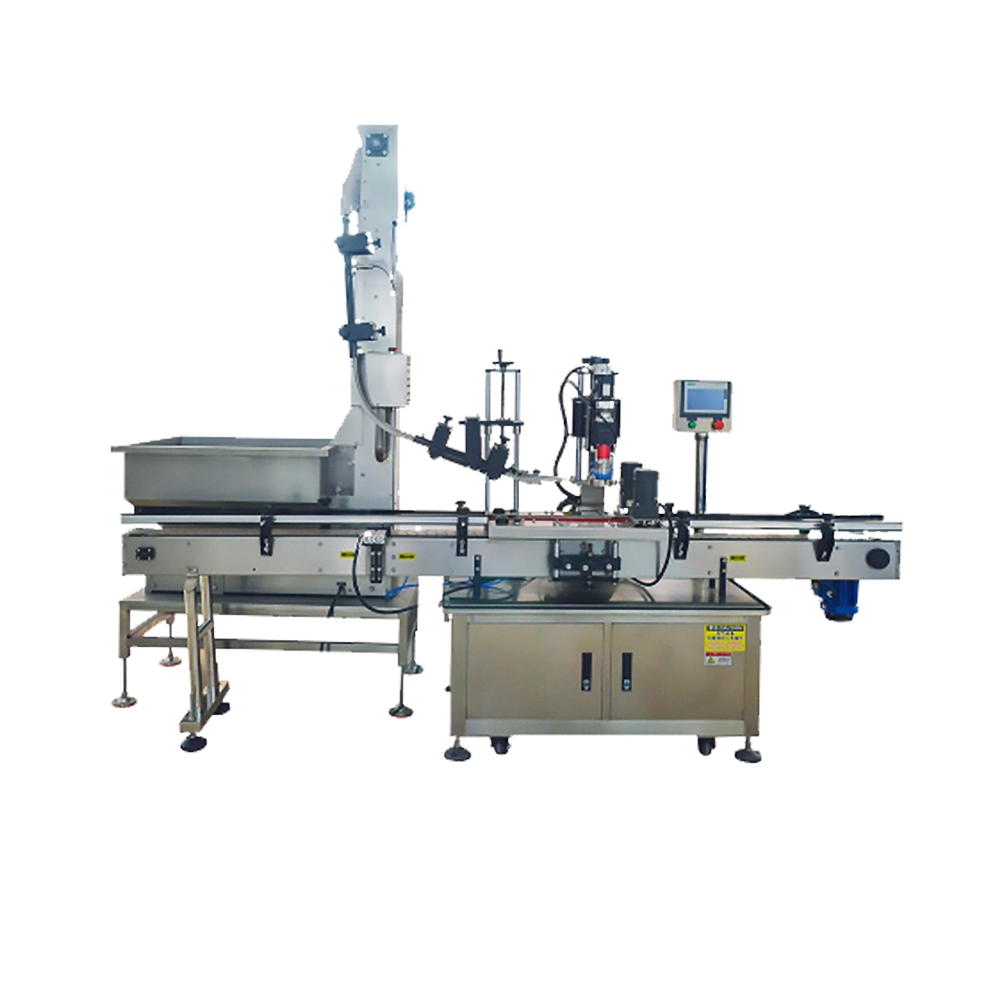
Automatic Metal Caps Capping Machine for Sale
Yuanyang automatic metal cap capping machine is a bottle capper for bottles with metal caps, which is often used to close lids of containers such as bottles and jars. The glass bottle metal capping machine is widely used in food, medicine, chemical, cosmetic, and other industries for mass production and continuous production line .
Features:
⦁ Pneumatic and electric drive;
⦁ Automated fast speed;
⦁ Suitable for glass bottles with metal caps.
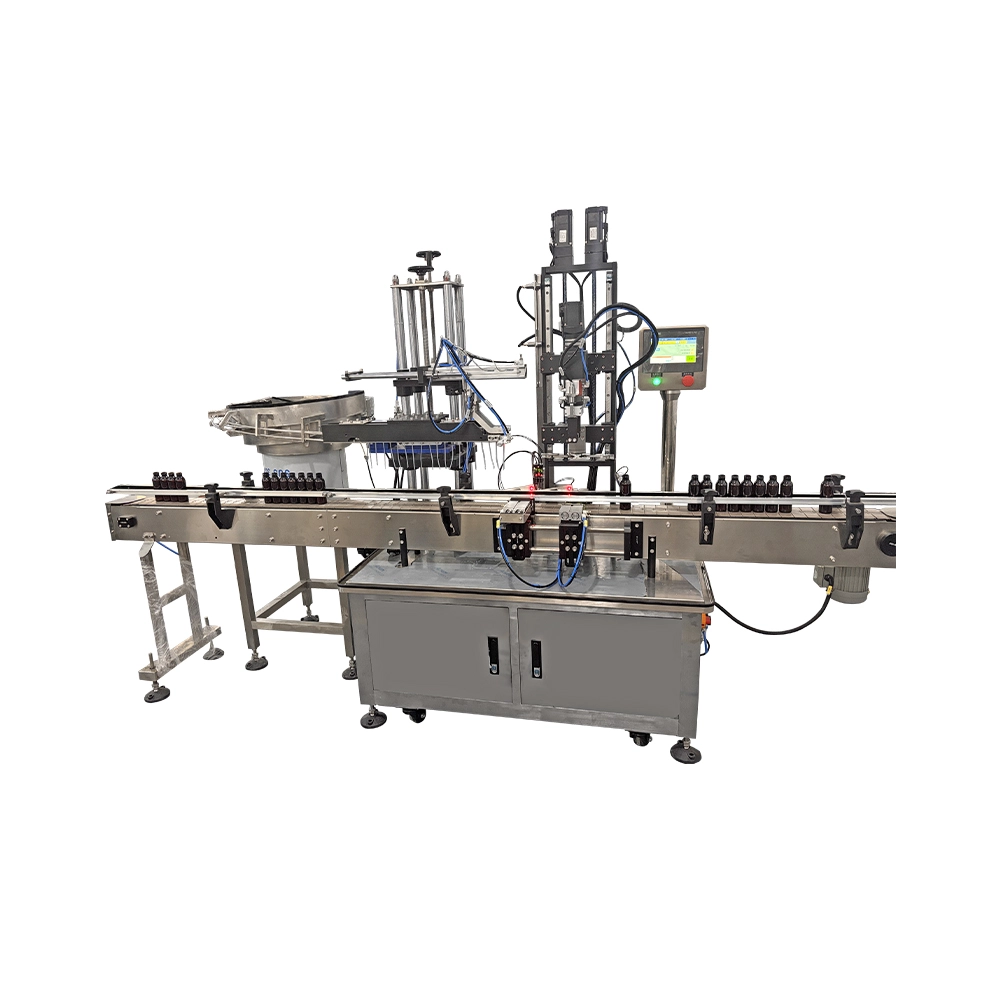
Automatic Pump Head Feeding and Capping Machine for Sale
Yuanyang automatic pump head feeding and capping machine is a bottle cap sorter and capper for bottles with pump heads, which is often used to close lids of containers such as nail polish, sprayers, and shampoo. The capping machine with a pump head feeder is widely used in food, medicine, chemical, cosmetic, and other industries for mass production and continuous production line .
Features:
⦁ Pneumatic and electric drive;
⦁ Automated fast speed;
⦁ Suitable for various types of caps.
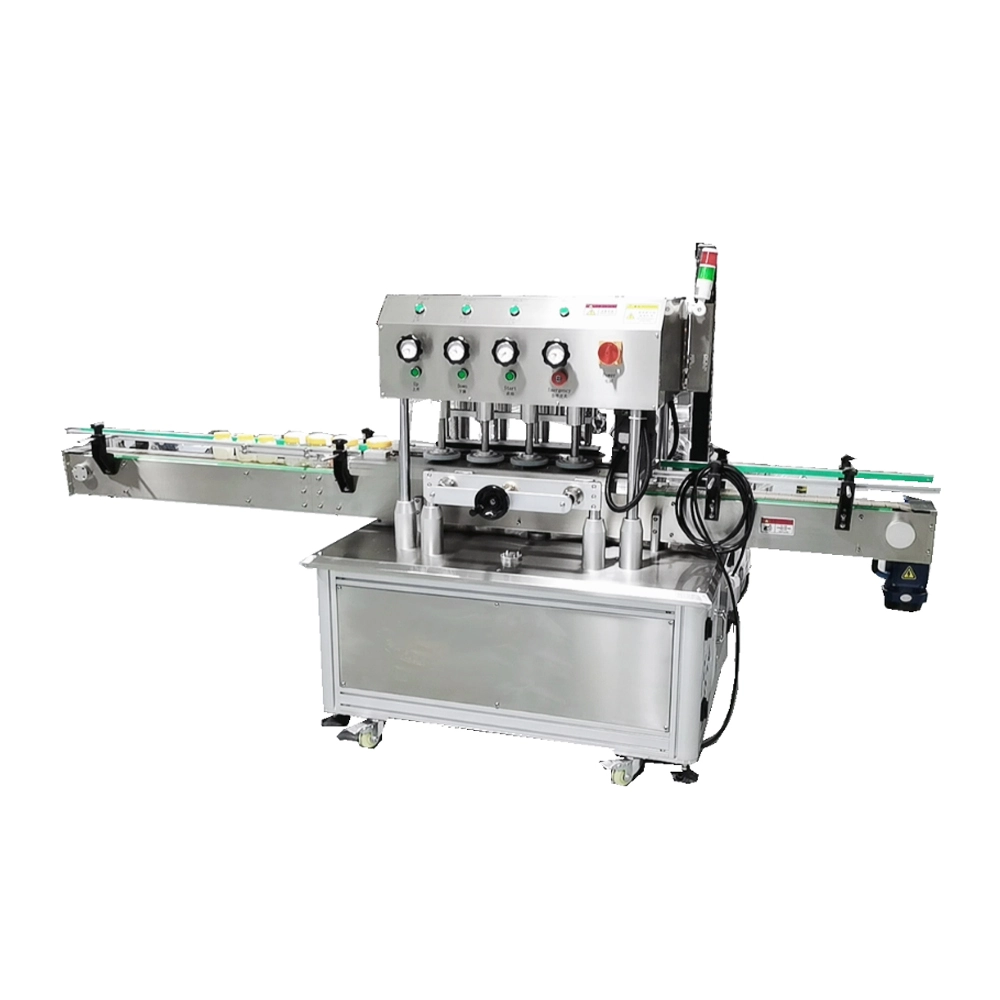
Automatic High Speed Capping Machine for Sale
The Yuanyang automatic high-speed capping machine is a kind of 8-wheel bottle-capping machine with fast working efficiency. The automatic capper is often used to close lids of containers such as bottles and jars, especially for plastic bottles, which are widely used in food, medicine, chemical, cosmetic, and other industries for mass production and continuous production lines.
Features:
⦁ Electric drive;
⦁ Automated fast speed;
⦁ Suitable for various screw caps, pumps, and spray bottles.
 Scan QR Code
Facebook
YouTube
LinkedIn
Whatsapp: +8613434139712
Guangzhou Yuanyang Machinery