





Sachet Packaging Machine Safety Features Buyers Should Know
- Safety Standards & Compliance Every Buyer Must Check
- Key international and regional standards
- Electrical and workplace safety references
- What to request from the manufacturer
- Built-in Mechanical and Electrical Safety Features
- Physical guarding and interlocks
- Emergency stop systems and safe stop functions
- Electrical protections and safety PLCs
- Process Safety: Filling, Sealing, and Overfill Protection
- Accurate dosing and overfill prevention
- Sealing integrity monitoring
- Dust and explosion risk mitigation
- Hygienic Design and Materials for Food, Pharma, and Chemical Use
- Materials, finish, and cleanability
- Sanitation procedures and CIP compatibility
- Allergen and cross-contamination controls
- Inspection, Sensors, and Automation for Safer Operation
- Vision systems and inline inspection
- Sensors, alarms, and predictive maintenance
- Human-machine interface (HMI) and access control
- Operational Safety, Training, and Maintenance Best Practices
- Lockout–tagout and safe servicing
- Operator training and competency checks
- Documentation and spare parts strategy
- Quick Comparison: Common Safety Features
- Purchasing Checklist for Safety-Focused Buyers
- Pre-purchase audits and FAT
- Warranty, service, and spare parts
- Integration into your safety management system
- FAQs (Frequently Asked Questions)
- Q: What certifications should a sachet packaging machine have for food use?
- Q: How do I verify the machine’s safety functions before purchase?
- Q: Are vision systems necessary for sachet machines?
- Q: What maintenance practices improve long-term safety?
- Q: Can the sachet packaging machine be adapted for multiple products safely?
When evaluating a sachet packaging machine for your production line, safety is as important as speed and accuracy. This guide explains the critical safety features, standards, and operational controls that every buyer should understand to ensure regulatory compliance, protect personnel, and maintain product integrity. We'll show how modern sachet packing machines integrate mechanical safeguards, electrical protections, hygienic design, and automated monitoring to reduce risk while maintaining high throughput.
Safety Standards & Compliance Every Buyer Must Check
Key international and regional standards
Before purchasing a sachet packaging machine, verify that the equipment is designed and certified according to applicable safety standards. General machine safety principles are defined in ISO 12100, which focuses on risk assessment and reduction for machinery. For food-contact applications, materials and design should comply with regulations such as the U.S. FDA guidance on food-contact materials and local EU or national rules. Buyers selling in North America or the EU should also look for conformity with the regional regulatory frameworks and CE marking processes documented by the European Commission.
Electrical and workplace safety references
Electrical safety, lockout–tagout (LOTO), and operator protection are often governed by workplace safety authorities. In the United States, for example, OSHA provides detailed LOTO requirements and best practices (OSHA LOTO guidance). Ensure that the machine’s control cabinet, wiring, and motors meet applicable electrical standards (e.g., UL or IEC ratings) and that documentation includes wiring diagrams, schematics, and safety integration manuals.
What to request from the manufacturer
Ask the vendor for certification documents, declaration of conformity, CE/UL marks, risk assessment reports (per ISO 12100), material compliance statements for food contact, and test records for any installed sensors or safety PLCs. These documents are vital for internal audits and regulatory inspections.
Built-in Mechanical and Electrical Safety Features
Physical guarding and interlocks
Good mechanical safeguarding prevents access to hazardous moving parts—belts, blades, forming sets, and sealing jaws—during operation. Look for fixed guards around in-running nip points and hinged guards with safety interlocks that immediately stop the machine if opened. Interlocks should be coded and fail-safe so they cannot be bypassed without detection.
Emergency stop systems and safe stop functions
Emergency stop (E-stop) buttons must be readily accessible around the machine perimeter and wired to stop power to actuators quickly while keeping safety-critical circuits monitored. Modern sachet packaging machines should offer layered stopping modes (e.g., service stop, safe stop, immediate E-stop) and controlled deceleration to avoid product spillage or mechanical overload. Verify the machine’s stop category and safety functions in the supplied manual.
Electrical protections and safety PLCs
Safety-rated programmable logic controllers (PLCs), monitored contactors, and redundant sensors contribute to dependable electrical safety. Features such as short-circuit protection, ground-fault detection, and motor torque limiting prevent overheating and mechanical failure. Ensure the machine includes clear labeling, accessible emergency power-isolation switches, and documented testing of the safety PLC logic.
Process Safety: Filling, Sealing, and Overfill Protection
Accurate dosing and overfill prevention
Overfill not only wastes product but can create slippery floors, dust hazards, or contamination. Modern sachet filling machines (sachet filling machine and sachet packer systems) incorporate precise metering—using augers, volumetric cups, or multi-head weighers—and feedback control to detect and correct overfill conditions. Look for rapid shutoff valves and alarms that trigger if the measured volume deviates beyond tolerance.
Sealing integrity monitoring
Sealing quality directly impacts product safety and shelf life. Many sachet sealing machines include temperature control with alarms, thermal profiling, and seal-monitoring sensors to detect weak seals or film wrinkles. For critical applications, buy machines with inline leak detection or vision inspection to catch sealing defects before cartons leave the line.
Dust and explosion risk mitigation
Powdered or powdered-liquid blends can pose dust explosion risks. Where applicable, check for ATEX/IECEx compliance, dust containment features, and proper ventilation. Machines should minimize product dispersion and include grounding/bonding to prevent electrostatic discharge. If your product is combustible, request a hazard analysis and explosion-protection measures from the vendor.
Hygienic Design and Materials for Food, Pharma, and Chemical Use
Materials, finish, and cleanability
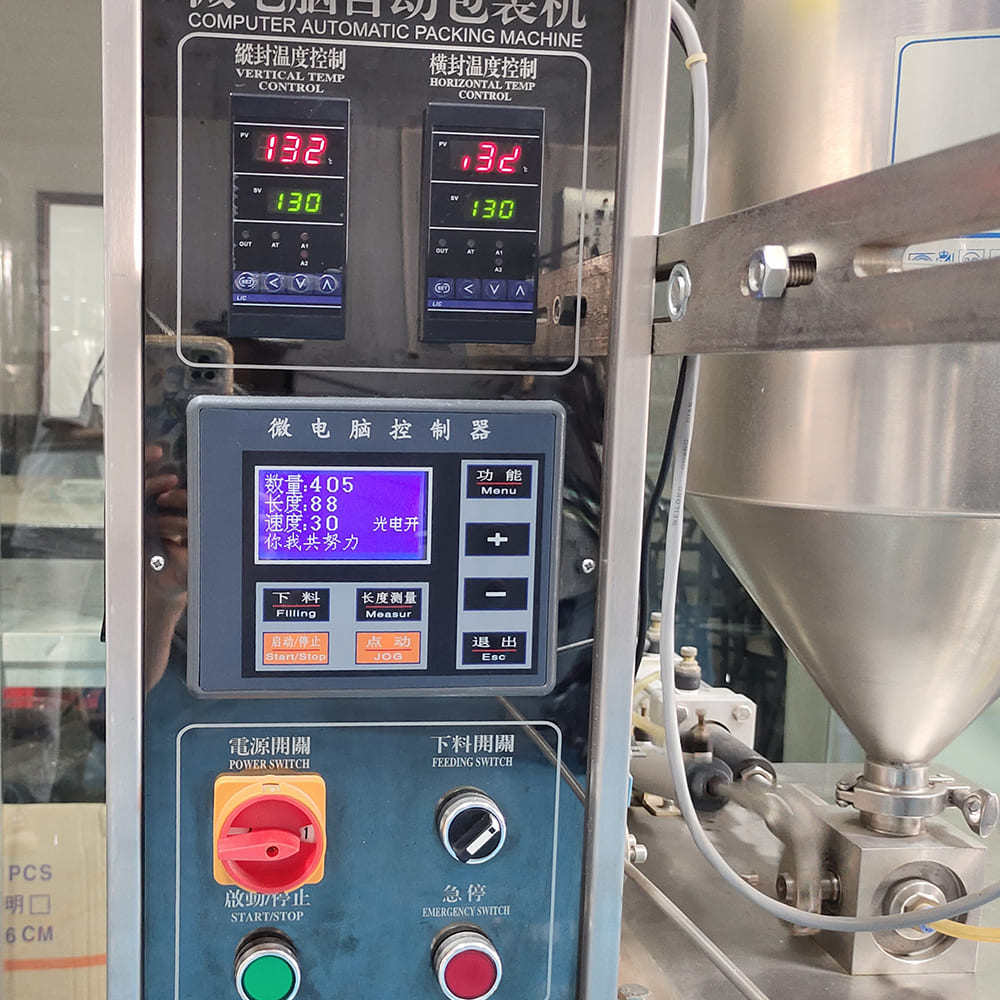
For food, pharmaceutical, or sensitive chemical applications, the sachet packaging machine must be made from approved materials such as food-grade stainless steel (e.g., 304 or 316) and have smooth welds, rounded corners, and easy-to-remove components for cleaning. The product introduction below provides an example of a purpose-built machine:
Yuanyang sachet packaging machine is a kind of automatic equipment, mainly used for measuring, filling, and sealing small bag packing materials. The sachet packing machine has become an indispensable piece of equipment in modern production for food, medicine, chemicals, and other fields.
Features:
⦁ Microcomputer controlled;
⦁ Automated fast speed;
⦁ Multi-function integration.
Sanitation procedures and CIP compatibility
Design that facilitates cleaning in place (CIP) or rapid disassembly for manual cleaning reduces downtime and contamination risk. Evaluate how seals, belts, and contact surfaces are accessed. For pharmaceutical sachets, the vendor should provide validated cleaning protocols and documentation that supports batch traceability.
Allergen and cross-contamination controls
If your facility handles multiple product lines, the machine should support quick changeovers and include features for allergen management: separated dosing modules, color-coded parts, and documented cleaning verification. Where required, the equipment should integrate with traceability systems and batch records.
Inspection, Sensors, and Automation for Safer Operation
Vision systems and inline inspection
Automated vision inspection can identify underfilled sachets, misprints, incorrect seals, or missing components, stopping the line and isolating faulty product. This reduces manual inspection—and associated operator exposure—while improving consumer safety. Verify detection thresholds and false-reject rates on a sample production run.
Sensors, alarms, and predictive maintenance
Sensors for film tension, pressure, temperature, and vibration allow the control system to act before a fault becomes a hazard. Modern sachet machines often include predictive maintenance analytics that flag motor overheating, bearing wear, or abnormal vibration. These features protect both machine and personnel by scheduling service before catastrophic failure.
Human-machine interface (HMI) and access control
An intuitive HMI with clear status lights, alarm histories, and role-based access control reduces operator errors. Look for password protections, operation logs, and training modes that allow safe commissioning and troubleshooting without exposing operators to live hazards.
Operational Safety, Training, and Maintenance Best Practices
Lockout–tagout and safe servicing
Procedures for LOTO during maintenance are essential. The machine should have clear isolation points for electricity, pneumatics, and hydraulic supplies. Manuals must include step-by-step LOTO instructions, and spare parts should be labeled to avoid accidental replacement with non-compatible components.
Operator training and competency checks
Even the safest machine needs competent operators. Insist on vendor-provided training and certification for line operators and maintenance technicians. Training should cover normal operation, emergency procedures, cleaning, and how to respond to alarms. Keep documented evidence of training for regulatory compliance and insurance purposes.
Documentation and spare parts strategy
Comprehensive documentation—schematics, spare-parts lists, risk assessments, and calibration records—supports safe long-term operation. Maintain a critical spare parts stocking plan to avoid shortcuts that could jeopardize safety (e.g., using non-certified sensors). Establish a service contract or remote monitoring agreement to ensure timely support.
Quick Comparison: Common Safety Features
| Safety Feature | What it Protects | Buyer Consideration |
|---|---|---|
| Safety interlocks on guards | Prevents access to moving parts | Fail-safe, tamper-resistant, coded outputs |
| Emergency stop / safe stop | Immediate risk reduction | Multiple E-stops around machine; documented stop modes |
| Safety PLC / redundant sensors | Electrical and logic-based failures | Certified safety PLC, diagnostic logs |
| Hygienic stainless steel design | Reduces contamination risk | Food-grade finishes, easy disassembly |
| Vision/inspection systems | Detects defective seals & fills | Adjustable thresholds, low false rejects |
Purchasing Checklist for Safety-Focused Buyers
Pre-purchase audits and FAT
Request a factory acceptance test (FAT) where you can observe safety functions in operation. The FAT should demonstrate interlocks, E-stops, LOTO points, software safety logic, and sealing/dosing accuracy under realistic conditions.
Warranty, service, and spare parts
Confirm warranty coverage for safety-critical parts and the vendor’s service response time. Ask about preventive maintenance schedules and remote diagnostic capabilities to reduce downtime and safety risk.
Integration into your safety management system
Ensure the machine can be integrated into your existing safety systems—such as plant SCADA, MES, or ERP—to log events, batch data, and maintenance actions. Compatibility with your procedures simplifies audits and continuous improvement efforts.
FAQs (Frequently Asked Questions)
Q: What certifications should a sachet packaging machine have for food use?
A: For food applications, ask for materials compliance (food-grade stainless steel, FDA-compliant contact materials), validated cleaning procedures, and documentation supporting hygienic design. Certifications and declarations of conformity to local food safety regulations (e.g., FDA in the U.S., EU food contact rules) are important. See the FDA food-contact guidance for more details: FDA Food Contact Materials.
Q: How do I verify the machine’s safety functions before purchase?
A: Request documented risk assessments (ISO 12100), perform a FAT to test interlocks, E-stops, safety PLC logic, and electrical protections, and review wiring diagrams and manuals. Verify that the vendor provides traceable testing records and can demonstrate compliance with regional directives such as the EU Machinery Directive.
Q: Are vision systems necessary for sachet machines?
A: Vision systems are highly recommended for products where seal integrity, correct fill level, or correct printing are critical to safety or brand protection. They reduce manual inspection, speed defect isolation, and prevent defective products from reaching consumers.
Q: What maintenance practices improve long-term safety?
A: Implement a preventive maintenance schedule, keep critical spares on hand, perform regular safety checks (interlocks, sensors, E-stop), and ensure staff complete vendor training. Use remote monitoring and predictive maintenance where available to address issues proactively.
Q: Can the sachet packaging machine be adapted for multiple products safely?
A: Yes—provided the machine offers quick-change components, documented changeover procedures, and validated clean-in-place or cleaning verification steps. Confirm the vendor’s guidance on allergen changeovers and how to perform safe product transitions.
If you are evaluating a Sachet Packaging Machine for Sale and want more information about safety features, certifications, or to schedule a live demo, contact our sales team or customer service. View the product details and request a quote here, or email [email protected] to speak with an applications specialist.
Authoritative references: ISO 12100 (machine safety): https://www.iso.org/standard/51528.; Packaging machine overview: https://en.wikipedia.org/wiki/Packaging_machine; OSHA lockout–tagout guidance: https://www.osha.gov/lockout-tagout; FDA food contact materials: https://www.fda.gov/food/packaging-food-contact-substances-fcs.
What are the different types of industrial sieve shaker machine?
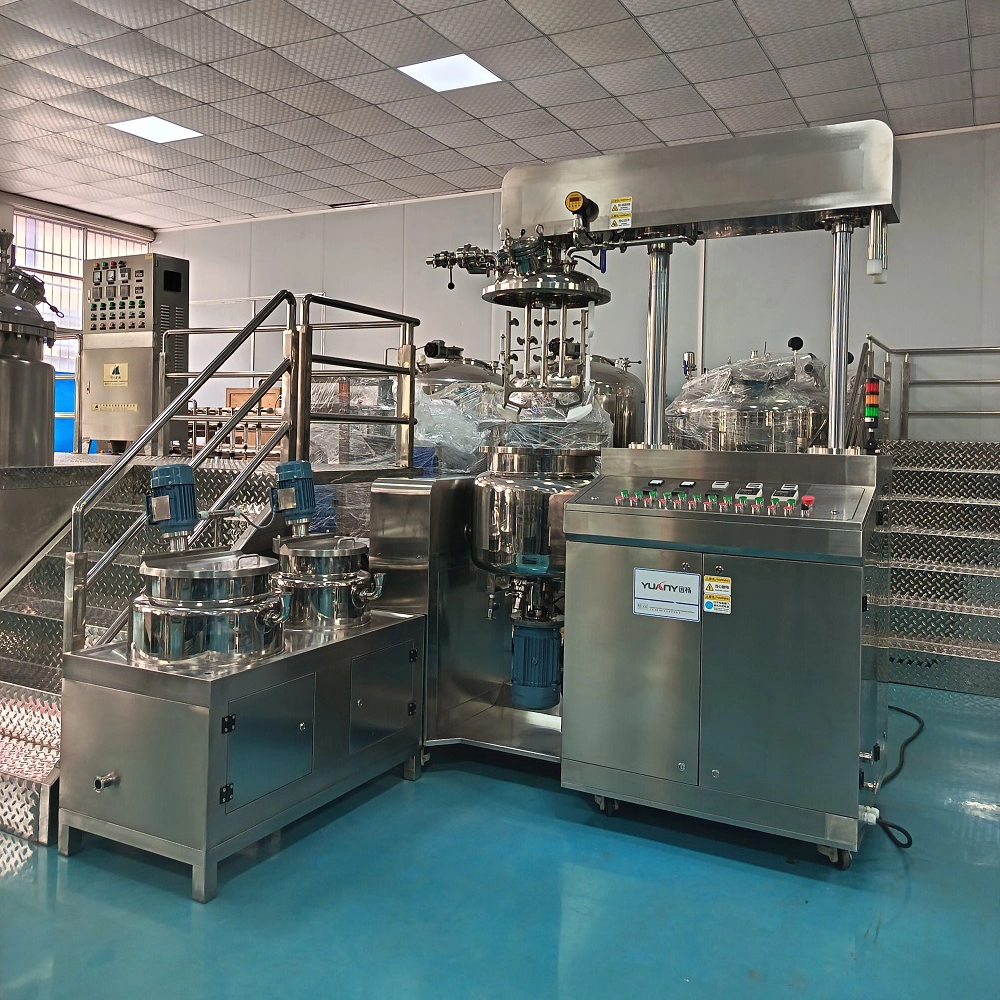
Energy Efficiency Tips for Emulsifying Machines
OEM/ODM powder filler Manufacturers and Suppliers
How to Choose Right carton coding machine manufacturer and supplier in France?
Food
Do you support international shipping and installation?
Yes, we provide global delivery services and offer international installation and commissioning services to ensure you can smoothly use the equipment for production.
Cosmetic
Can the equipment handle organic or sensitive formulations?
Yes. Our equipment is designed to handle various special formulations, including organic, additive-free, and sensitive formulations, ensuring no contamination or degradation during processing.
Homogenizer Mixing Tank with Circulation System
Can I add a top disco plate mixing paddle? My products need it.
Yes, we can add top disperser/homogenizer/frame mixing/scrapers mixing paddle. Yuany provide flexible and practical solutions for clients.
Semi automatic powder filling machine
What’s the measuring method of this bottle filling machine for powder?
The bottle filler for powder adopts screw measurement, which has accurate measurement. That’s why it is also called screw powder filling machine, or auger filler.
Detergent powder mixer
What capacity do you supply for this dry powder mixer?
The standard capacity of powder mixing tank is from 200L 500L 1000L 1500L 2000L. If clients need other capacity, just tell us to design.
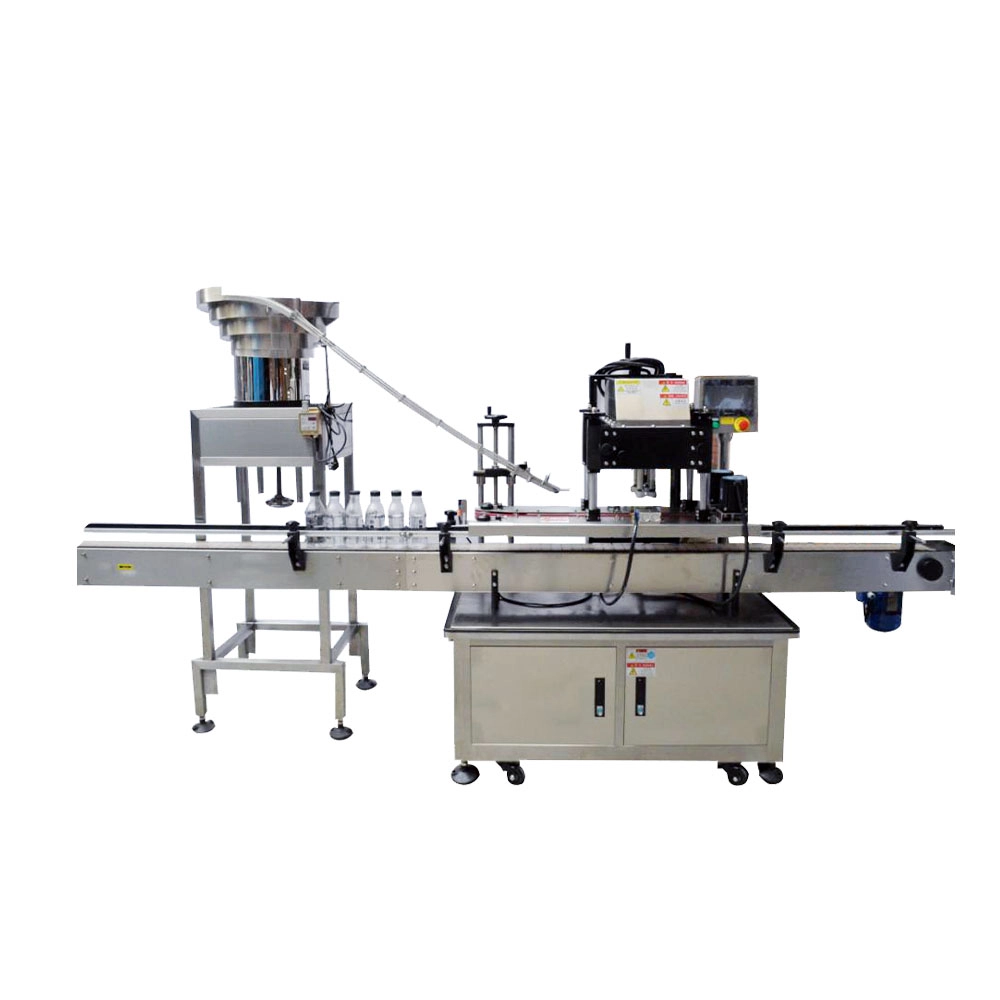
Automatic Plastic Caps Capping Machine with Vibrating Cap Feeder for Sale
Yuanyang automatic screw capping machine is a kind of four-wheel bottle capping machine. The automatic screw capper is often used to close lids of containers such as bottles and jars, especially for plastic bottles, which are widely used in food, medicine, chemical, cosmetic, and other industries for mass production and continuous production lines.
Features:
⦁ Full pneumatic drive;
⦁ Automated fast speed;
⦁ Suitable for various screw caps, pumps, and spray bottles.
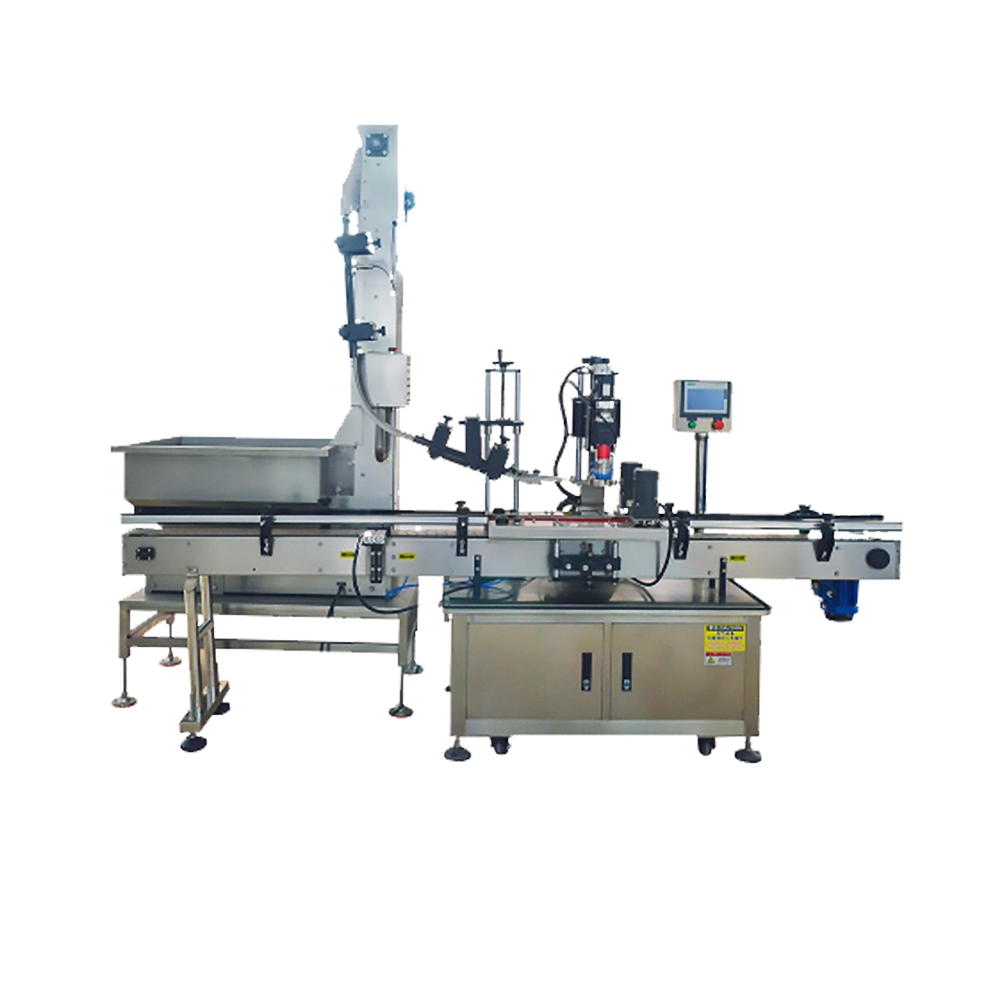
Automatic Metal Caps Capping Machine for Sale
Yuanyang automatic metal cap capping machine is a bottle capper for bottles with metal caps, which is often used to close lids of containers such as bottles and jars. The glass bottle metal capping machine is widely used in food, medicine, chemical, cosmetic, and other industries for mass production and continuous production line .
Features:
⦁ Pneumatic and electric drive;
⦁ Automated fast speed;
⦁ Suitable for glass bottles with metal caps.
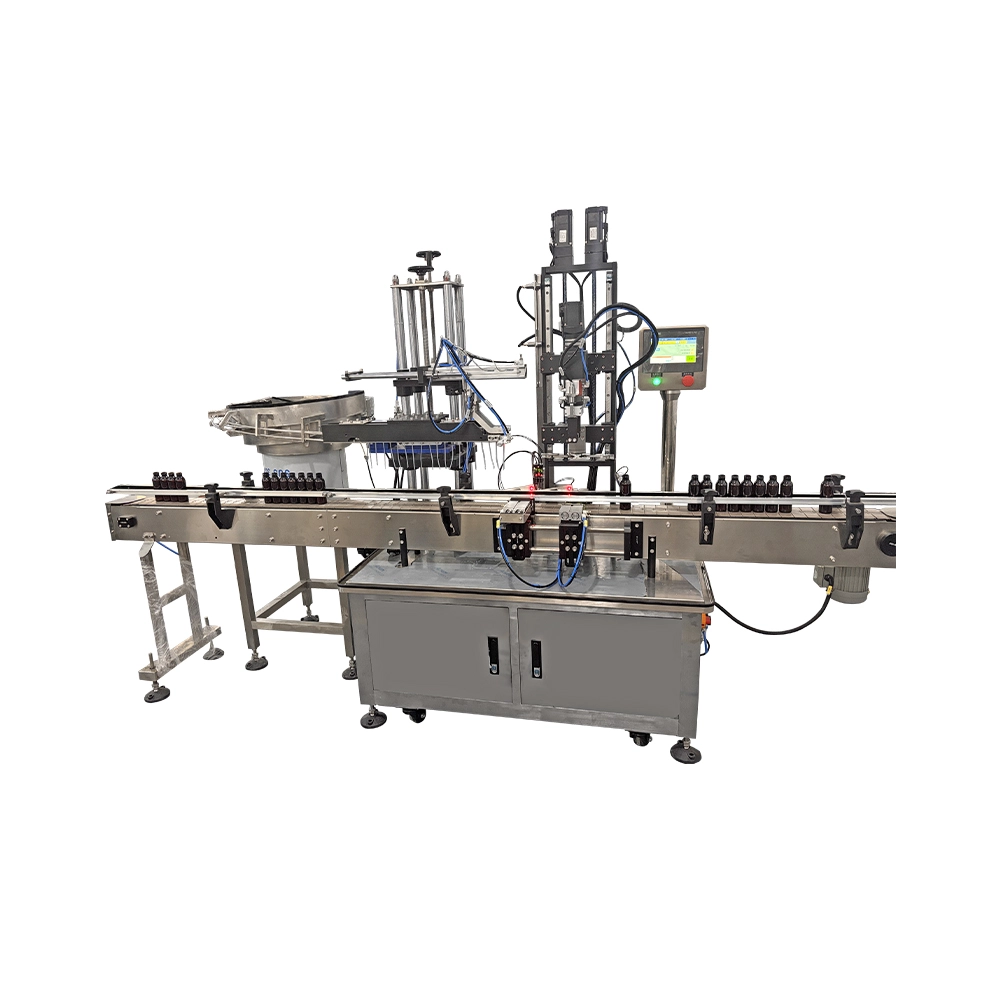
Automatic Pump Head Feeding and Capping Machine for Sale
Yuanyang automatic pump head feeding and capping machine is a bottle cap sorter and capper for bottles with pump heads, which is often used to close lids of containers such as nail polish, sprayers, and shampoo. The capping machine with a pump head feeder is widely used in food, medicine, chemical, cosmetic, and other industries for mass production and continuous production line .
Features:
⦁ Pneumatic and electric drive;
⦁ Automated fast speed;
⦁ Suitable for various types of caps.
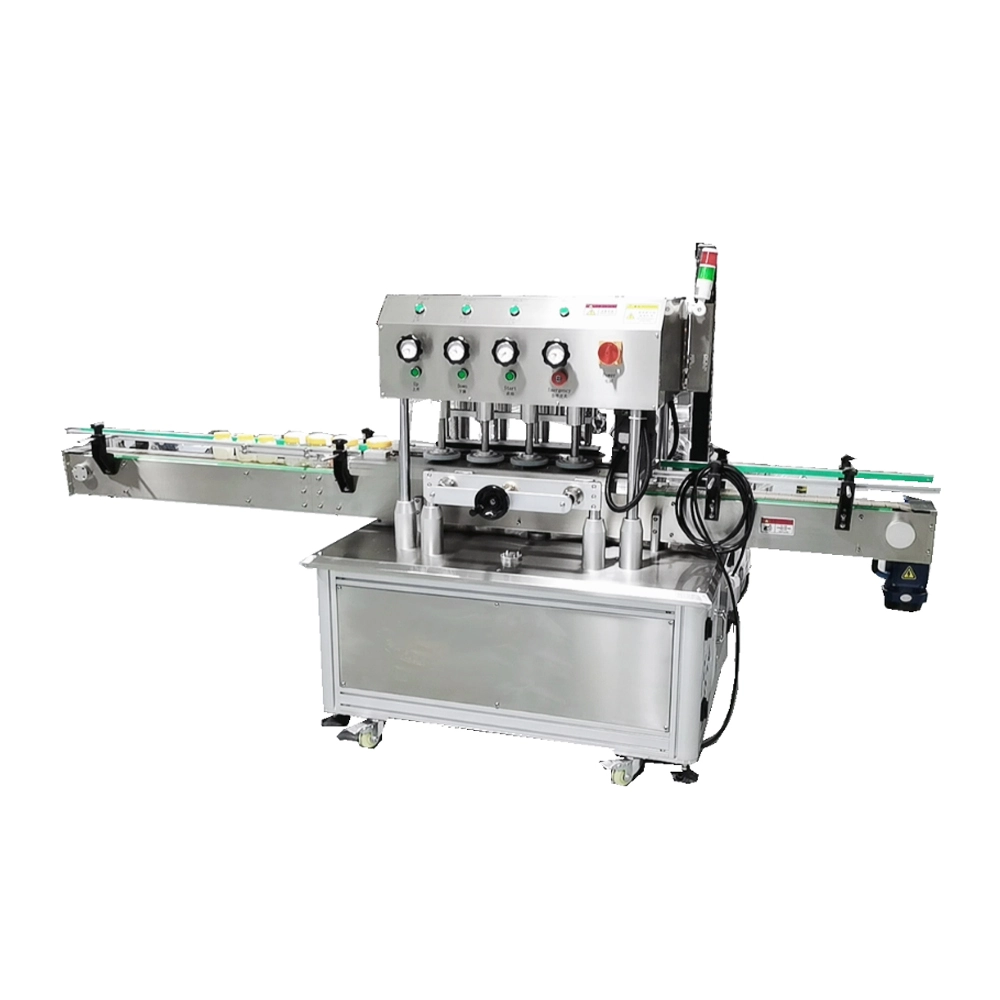
Automatic High Speed Capping Machine for Sale
The Yuanyang automatic high-speed capping machine is a kind of 8-wheel bottle-capping machine with fast working efficiency. The automatic capper is often used to close lids of containers such as bottles and jars, especially for plastic bottles, which are widely used in food, medicine, chemical, cosmetic, and other industries for mass production and continuous production lines.
Features:
⦁ Electric drive;
⦁ Automated fast speed;
⦁ Suitable for various screw caps, pumps, and spray bottles.
 Scan QR Code
Facebook
YouTube
LinkedIn
Whatsapp: +8613434139712
Guangzhou Yuanyang Machinery