





Why Don't Oil and Water Mix? The Ultimate Guide to Polarity and Emulsification Science (2026)
- Why Don't Oil and Water Mix?
- Quick Summary & Key Takeaways
- The Chemistry Behind Immiscibility: Thermodynamics and the Hydrophobic Effect
- What is the Oil Water Emulsification Process?
- Types of Emulsions: O/W vs. W/O Explained
- Scaling Up in 2026: The Role of High Shear Mechanical Energy
- Achieving Perfect Stability with YUANYANG Vacuum Emulsifying Mixers
- Expert Tips: Common Mistakes in Industrial Emulsification
- Conclusion
- FAQs About why dont oil and water mix、oil water emulsification process
- Can you ever permanently mix oil and water?
- What is an emulsifier and how does it work?
- Why does water sink and oil float?
- What is the difference between an O/W and W/O emulsion?
- How do vacuum homogenizers improve emulsion stability?
- What role does surface tension play in mixing liquids?
- How do you break an oil-water emulsion?
- What equipment is needed for industrial emulsification?
Anyone who has ever tried to make a simple vinaigrette dressing has witnessed a fundamental law of chemistry in real time: oil and water naturally repel each other. But in the modern manufacturing landscapes of 2026—spanning food science, advanced cosmetics, and life-saving pharmaceuticals—keeping these two stubborn liquids perfectly blended is an absolute necessity. Understanding the core mechanics behind the why dont oil and water mix、oil water emulsification process is the first step toward formulating stable, high-quality products.
This comprehensive guide explores the fascinating thermodynamics of liquid separation, the critical role of chemical surfactants, and how cutting-edge industrial machinery overcomes nature's boundaries to achieve permanent stability.
Why Don't Oil and Water Mix?
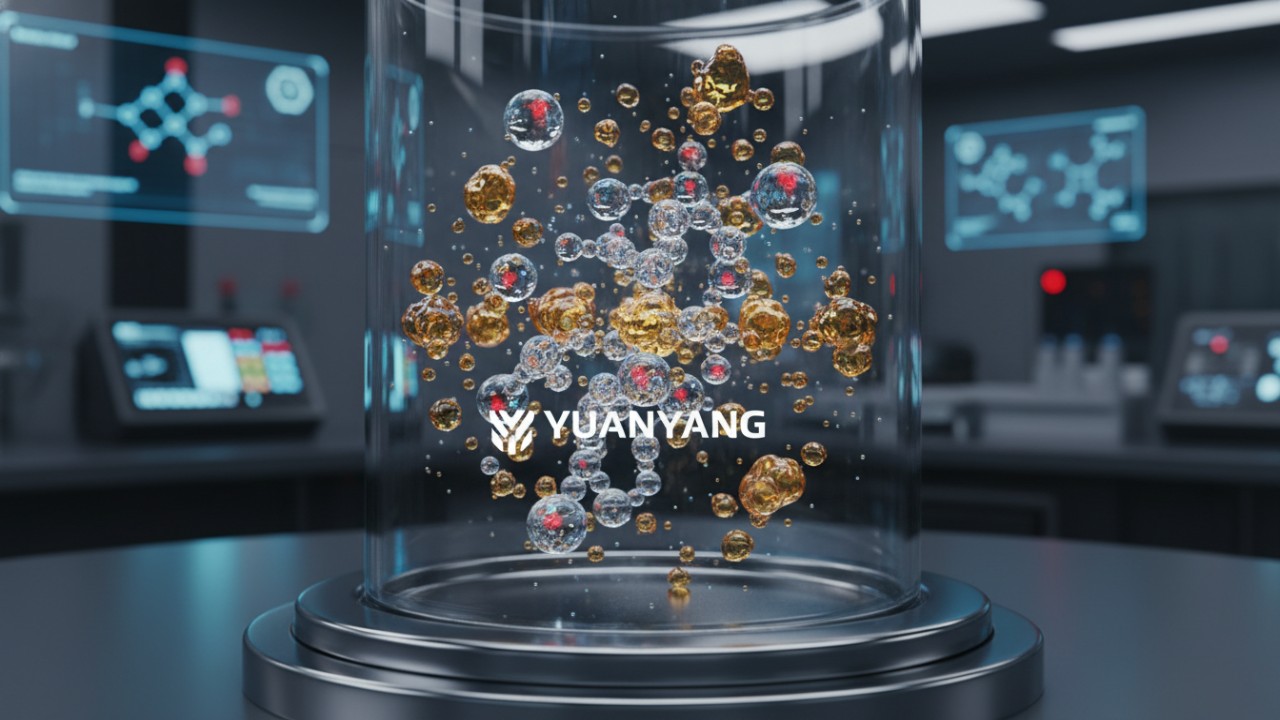
Oil and water do not mix due to molecular polarity and hydrogen bonding, where highly polar water molecules aggressively attract each other through hydrogen bonds, effectively squeezing out non-polar oil molecules and causing a natural separation driven by thermodynamics.
At a microscopic level, water ($H_2O$) is a highly polar molecule. It has a slight positive charge on its hydrogen atoms and a slight negative charge on its oxygen atom. This polarity acts like a microscopic magnet, allowing water molecules to form incredibly strong, dynamic hydrogen bonds with one another.
Conversely, oil molecules are composed of long hydrocarbon chains that are entirely non-polar. Because non-polar oil lacks the electromagnetic "hooks" needed to bond with water, the water molecules simply ignore the oil, aggressively attracting each other instead. As the water molecules pull tightly together, they physically force the oil molecules out of their network. Because oil typically has a lower density than water, the expelled oil rises to the surface, creating two distinct, separated layers.
Quick Summary & Key Takeaways
To quickly grasp the why dont oil and water mix、oil water emulsification process, remember that polar liquids only dissolve polar substances, meaning that bridging this natural chemical gap requires the strategic introduction of surfactants and emulsifying agents alongside intense mechanical mixing.
- Like Dissolves Like: In chemistry, polar liquids can only dissolve other polar substances, while non-polar liquids behave similarly with other non-polar materials.
- Density Differences: Oil typically floats on water because it has a lower mass per unit volume (density), though molecular polarity is the actual root cause of their repulsion.
- The Solution: To bridge the gap between immiscible liquids, formulators must introduce emulsifying agents (surfactants) to lower surface tension.
- Industrial Scale: Modern emulsification relies heavily on high-shear mixers and vacuum homogenizers to break droplets down to microscopic sizes, ensuring long-term stability.
The Chemistry Behind Immiscibility: Thermodynamics and the Hydrophobic Effect
The chemical immiscibility of these two liquids is governed by the hydrophobic effect in chemistry, a thermodynamic phenomenon where water molecules form a rigid, cage-like structure around non-polar oil droplets to minimize contact area and maintain favorable entropy.
When oil is introduced into water, the water molecules cannot form hydrogen bonds with the non-polar hydrocarbon chains. Instead of moving freely, the water molecules are forced to arrange themselves into highly ordered "clathrate" cages around the invading oil. According to thermodynamic principles detailing the hydrophobic effect, the separation of nonpolar substances from water actually maximizes the entropy (disorder) of the water molecules, making the unmixed, separated state energetically favorable for the system.
In terms of Gibbs free energy ($\Delta G = \Delta H - T\Delta S$), the forced mixing of oil and water results in a significant decrease in entropy ($\Delta S$), leading to a positive $\Delta G$. Because nature inherently favors processes with a negative Gibbs free energy, the liquids spontaneously separate. This separation reduces the surface area of the oil exposed to water, minimizing structural disruption. Furthermore, the high surface tension of water acts as a physical barrier, aggressively pulling water molecules inward and squeezing the oil droplets out until they coalesce into a distinct, floating layer.
What is the Oil Water Emulsification Process?
The oil water emulsification process is the mechanical and chemical methodology of dispersing one immiscible liquid into another to form a stable mixture by utilizing specific surfactants and high shear stress to permanently break down oil droplets into micro-sizes.
Because oil and water will never stay mixed on their own, we must force them together through emulsification. This process requires two critical components: a chemical bridge and mechanical energy.
The chemical bridge comes in the form of surfactants and emulsifying agents. An emulsifier is a unique amphiphilic molecule that features a hydrophilic (water-loving) head and a lipophilic (oil-loving) tail. When added to a mixture, these molecules position themselves directly at the boundary (interface) between the oil and water. The lipophilic tails embed themselves into the oil droplets, while the hydrophilic heads face outward into the water. This immediately lowers the interfacial tension, preventing the oil droplets from clumping back together.
However, chemicals alone are not enough. Mechanical energy (shear stress) must be applied to physically tear the large oil droplets into microscopic or nano-sized spheres. For a deeper dive into the mechanical forces at play, read our comprehensive guide on How Emulsification Actually Happens in Industrial Mixing Systems.
Types of Emulsions: O/W vs. W/O Explained
Emulsions are universally classified into two primary categories—Oil-in-Water (O/W) and Water-in-Oil (W/O)—where one phase is dispersed into the continuous phase of the other, requiring specific emulsifiers based on the Hydrophile-Lipophile Balance (HLB) scale to maintain long-term stability.
Choosing the right type of emulsion dictates the texture, absorption rate, and performance of the final product. The critical factor in determining whether a mixture becomes an O/W or W/O emulsion is the specific emulsifier used, which is measured by the HLB scale. High HLB values (hydrophilic) create O/W emulsions, while low HLB values (lipophilic) create W/O emulsions.
| Feature | Oil-in-Water (O/W) | Water-in-Oil (W/O) |
|---|---|---|
| Continuous Phase | Water | Oil |
| Dispersed Phase | Oil | Water |
| Tactile Texture | Lighter, non-greasy, fast-absorbing | Heavier, rich, highly moisturizing |
| Common Examples | Milk, daily lotions, mayonnaise | Butter, heavy night creams, ointments |
| Required HLB Range | 8 - 18 (Hydrophilic dominance) | 3 - 6 (Lipophilic dominance) |
Scaling Up in 2026: The Role of High Shear Mechanical Energy
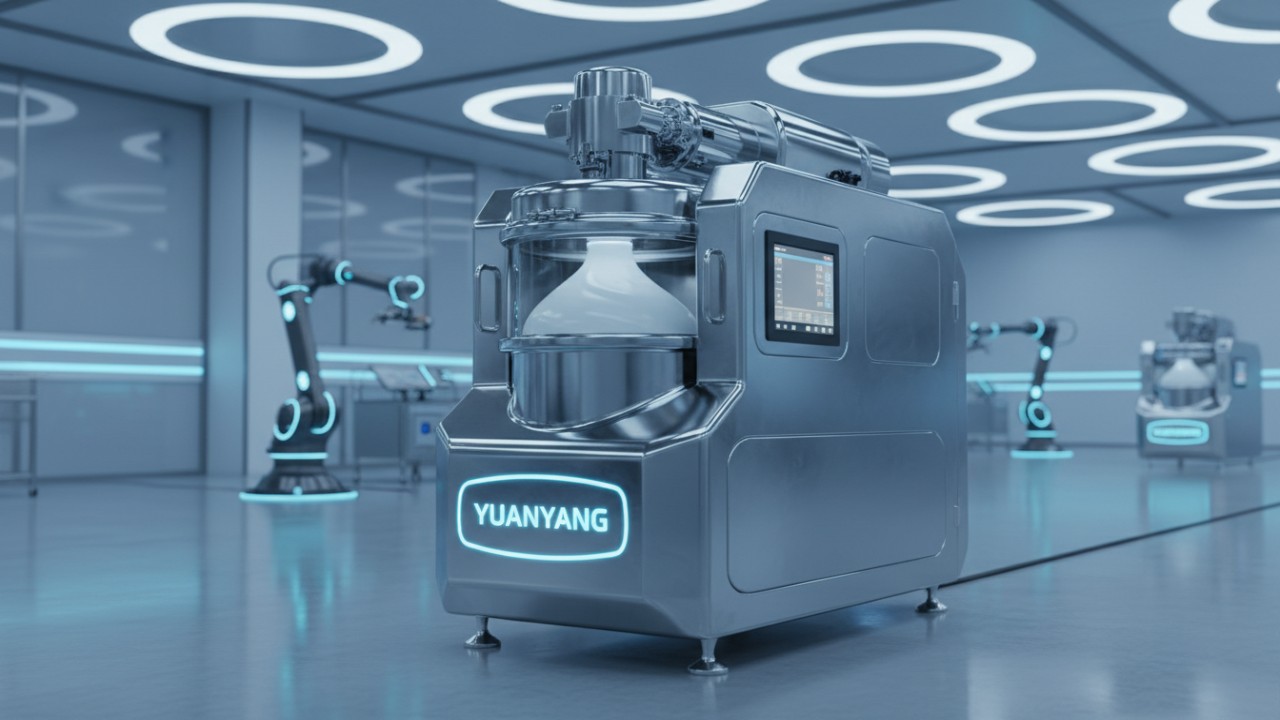
Transitioning from lab-scale chemistry to mass production in 2026 requires overcoming massive surface tension forces by utilizing high shear vacuum homogenizers that apply extreme mechanical energy to drastically reduce droplet size and ensure kinetic stability across large batches.
In a laboratory setting, a simple magnetic stirrer might temporarily mix a small volume of liquid. However, in industrial manufacturing, conventional mixers completely fail to overcome the immense surface tension required to break oil into micro-droplets. This is where high-pressure homogenization and rotor-stator systems become mandatory. A rotor-stator mixer features a fast-rotating impeller (rotor) housed within a stationary casing (stator). As the rotor spins at incredibly high speeds, it draws the immiscible liquids into the mixing head and violently expels them through the stator's narrow perforations.
This action subjects the droplets to intense mechanical shear and hydraulic turbulence. Research highlighted by the National Institutes of Health (NIH) demonstrates that high-shear emulsification relies on the repetitive random breakup of drops, where the mean droplet size scales inversely with the rotation speed of the mixer. By achieving ultra-fine droplet sizes (often in the 1-5 micron range), industrial homogenizers prevent the droplets from quickly merging back together (coalescence), thereby ensuring the long-term kinetic stability necessary for commercial products.
Achieving Perfect Stability with YUANYANG Vacuum Emulsifying Mixers
For industrial applications, bridging this polarity gap demands elite industrial emulsification equipment, which is why Guangzhou yuanyang mechanical device co., ltd. (YUANYANG) specializes in manufacturing CE-certified vacuum emulsifying mixers that apply precise high-shear forces while removing air bubbles.
Since 2008, YUANYANG has been a leading manufacturer in China, focused on providing complete turnkey production line equipment. Whether you need vacuum homogenizers, high shear mixers, or massive liquid mixing tanks, our machinery is engineered to handle the most demanding formulations. Beyond mixing, we supply automatic liquid filling lines, capping machines, aluminum foil sealing machines, and automatic labeling machines to complete your facility's entire workflow.
Our CE certification guarantees that our equipment meets rigorous safety and health standards for the global market. Furthermore, YUANYANG is committed to your operational success by offering free technical training and one-stop installation support. When producing sensitive emulsions, our vacuum technology is particularly crucial—it actively pulls air out of the mixing chamber during high-shear agitation, preventing oxidation and extending the shelf life of your product. Our ultimate vision is to become the best industrial mixer and agitator manufacturer in the world. To learn more, reach out to our engineering team at [email protected] or visit our official website at https://www.yuanymachinery.com/.
Expert Tips: Common Mistakes in Industrial Emulsification
The most common mistakes in industrial emulsification include inadequate energy input, improper temperature control, incorrect emulsifier ratios, and ignoring vacuum technology, all of which directly lead to unstable droplet sizes, phase separation, and severely compromised product shelf life.
Even with the best chemical recipes, mechanical and procedural errors can ruin an entire production batch. Here are the most frequent pitfalls to avoid in 2026:
- Inadequate Energy Input: Failing to apply sufficient shear force leaves the dispersed droplets too large. Large droplets are highly susceptible to Ostwald ripening, a process where small droplets dissolve and redeposit onto larger ones, eventually causing total phase separation (cracking).
- Improper Temperature Control: Mixing the oil and water phases at drastically different temperatures can thermally shock the system and break the emulsion before it even fully forms. Both phases must be heated and cooled systematically, often requiring jacketed mixing tanks.
- Incorrect Emulsifier Ratios: Using an emulsifier with the wrong HLB value or in insufficient quantities means the interfacial tension is not adequately lowered, leaving the newly sheared droplets unprotected and prone to immediate coalescence.
- Ignoring Vacuum Technology: High-speed mixing naturally creates a vortex that pulls ambient air into the product. Without a vacuum system to extract these trapped air bubbles, the final product will suffer from accelerated oxidation, poor tactile texture, and a drastically reduced shelf life.
Conclusion
While oil and water naturally repel due to molecular polarity, combining the right surfactants with advanced mechanical energy can create perfectly stable emulsions, making it essential to master this science for food, pharmaceutical, and cosmetic manufacturing in 2026.
Mastering the interplay between thermodynamics, chemical emulsifiers, and mechanical shear is the only way to successfully scale a liquid product from a laboratory concept to mass-market reality. By understanding the hydrophobic effect and leveraging modern high-shear machinery, manufacturers can completely bypass the natural limitations of molecular polarity.
FAQs About why dont oil and water mix、oil water emulsification process
Can you ever permanently mix oil and water?
Without an additive, oil and water will always separate eventually. By adding an emulsifier and applying high-shear mechanical mixing, you can create a kinetically stable emulsion that remains mixed for years.
What is an emulsifier and how does it work?
An emulsifier is a molecule (surfactant) that has a water-loving (hydrophilic) head and an oil-loving (lipophilic) tail. It positions itself at the boundary between oil and water, reducing surface tension and allowing the two liquids to blend.
Why does water sink and oil float?
This is due to density. Water molecules are packed more tightly together, making water denser than most oils, which causes the oil to rest on top of the water layer.
What is the difference between an O/W and W/O emulsion?
An O/W (oil-in-water) emulsion has tiny oil droplets suspended in water, feeling lighter and less greasy. A W/O (water-in-oil) emulsion has water droplets suspended in oil, typically feeling heavier and more moisturizing.
How do vacuum homogenizers improve emulsion stability?
Vacuum homogenizers pull air out of the mixing chamber. This prevents air bubbles from being trapped in the emulsion, which stops oxidation, improves product texture, and significantly extends shelf life.
What role does surface tension play in mixing liquids?
Surface tension causes liquids like water to resist external forces and 'clump' together. To mix immiscible liquids, this tension must be broken using physical force (agitation) and chemical agents (surfactants).
How do you break an oil-water emulsion?
Emulsions can be broken (demulsification) using chemical breakers, heat, or mechanical separation techniques. This is often required in industrial wastewater treatment to separate oil from water before disposal.
What equipment is needed for industrial emulsification?
Industrial scale production requires robust machinery like rotor-stator high shear mixers, vacuum emulsifying mixers, and homogenizers. Companies like YUANYANG provide full-scale equipment to handle heating, mixing, vacuuming, and cooling in one automated system.
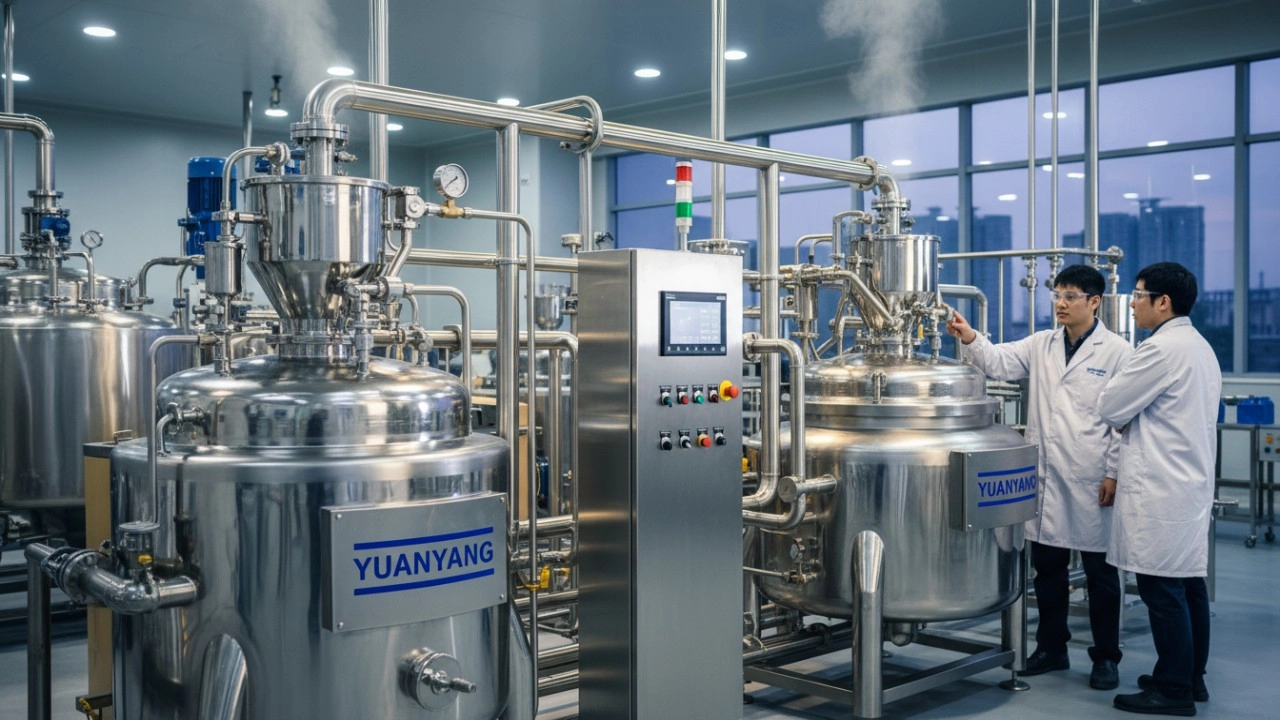
How Emulsification Actually Happens in Industrial Mixing Systems (2026 Guide)
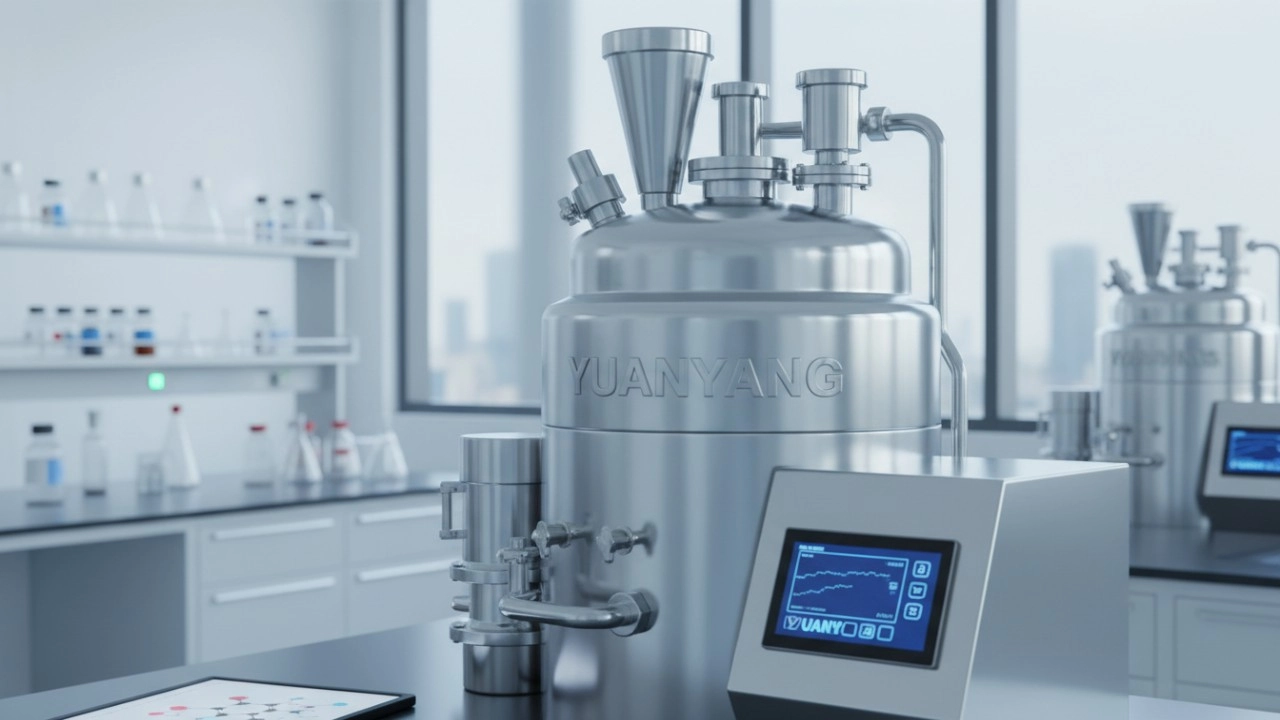
Understanding Vacuum Emulsifying Mixers as a System: From Process Logic to Production Outcomes
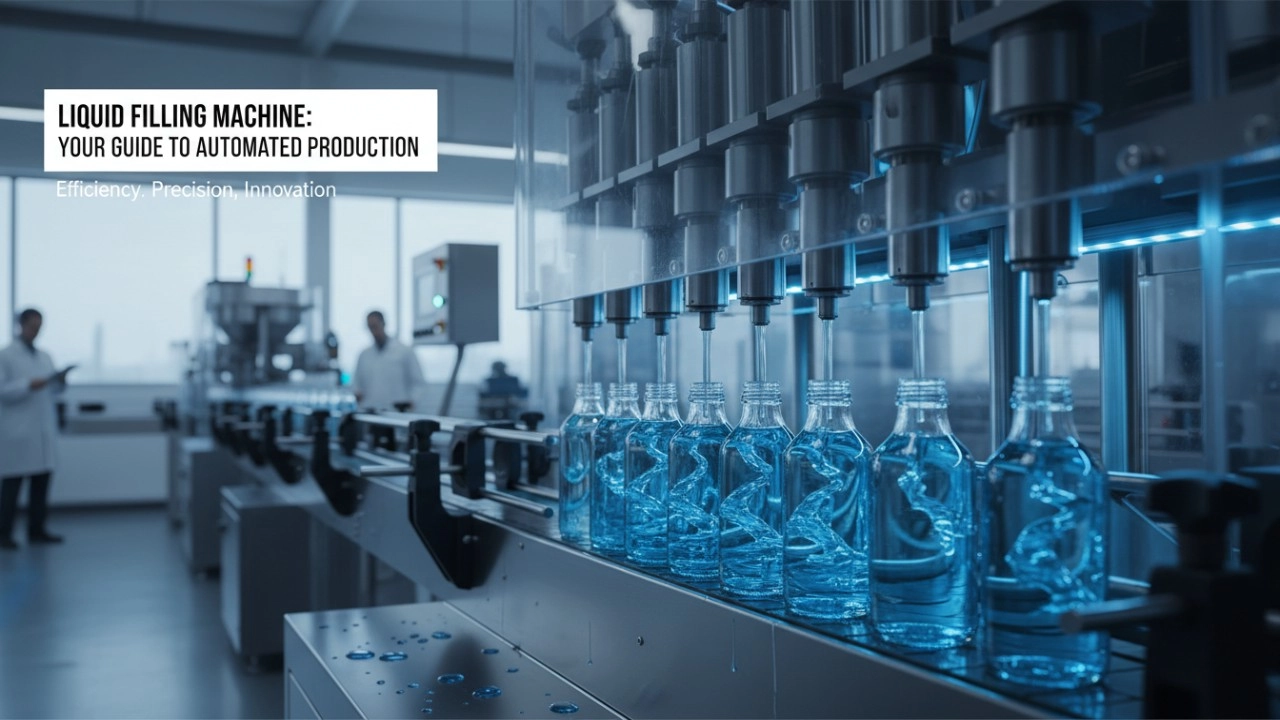
Beyond Automation: How Smart Liquid Filling Machines are Transforming Modern Packaging Lines
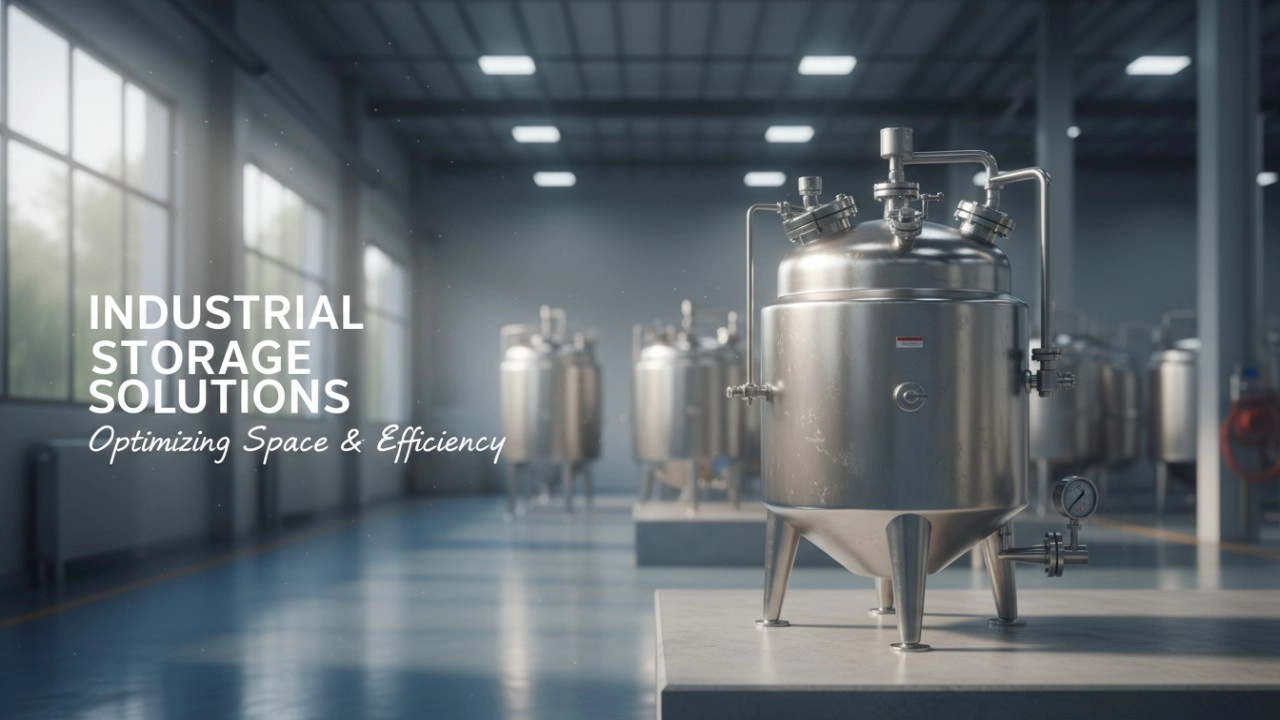
7 Dangerous Mistakes Most Companies Make with Underground Storage Tanks (USTs)
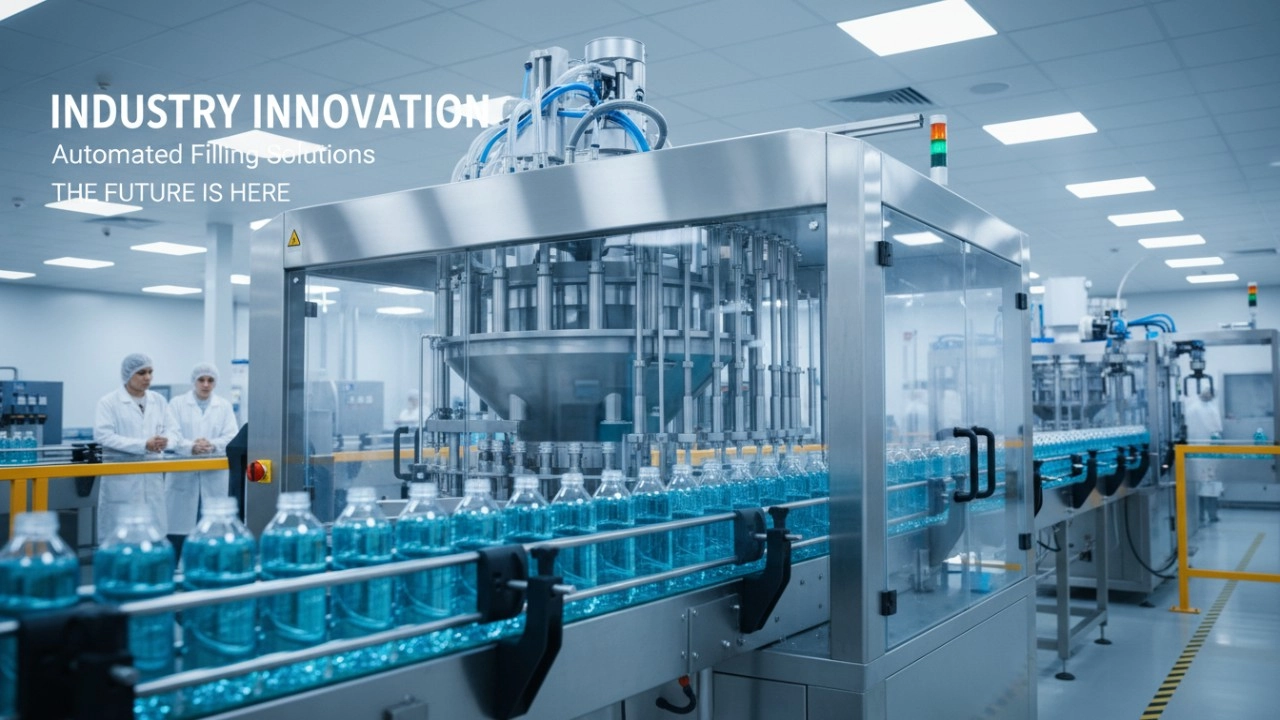
How to Future-Proof Your Production Line: The Latest Innovations in Precision Filling Machinery (2026 Guide)
Liquid Soap Mixer
Can you customize soap mixer machine accordingly if the ceiling height is limited?
Yes, the tank size will be customized, the top motor can be horizontal to make sure the complete set machine can fit client’s factory.
Liquid Soap Mixer Machine
How can you guarantee the bottom homogenizer will not leak liquids?
The bottom homogenizer adopts German mechanical sealing, As long as clients operate correctly, follow the instructions, this leakage is hardly to happen for over tens years or longer. But once the leakage accrues, just contact us to get a mechanical sealing to replace it.
Machine seal, as an indispensable sealing element in mechanical equipment, its core function is reflected in many aspects. First of all, it effectively prevents the leakage of liquid, gas or solid particles inside the machine through a tight sealing effect, as well as the intrusion of external impurities, so as to ensure that the internal environment of the machine is dry and clean.
This function is essential for extending the service life of machine equipment. Secondly, when the machine is sealed at high speed, it can prevent the condensation of water vapor caused by the heat generated by friction and play an anti-fog role. At the same time, it can effectively isolate the dust, particles and impurities generated during the work process to protect the equipment from damage.
In addition, the seal can also play an excellent waterproof role in wet environments, ensuring that the inside of the equipment is not affected by water erosion. In summary, the seal not only protects the normal operation of the mechanical equipment, but also provides a strong guarantee for the production and family life of all walks of life through its excellent sealing performance.
Automatic Screw Capping Machine
Do you have a vibratory cap feeding machine for the automatic capping machine?
Yes, we provide vibratory cap feeder or elevator type cap feeder to sort caps. The cap feeder machine has to be customized according cap shape and size, like pump head with straw, metal caps,plastic caps and so on.
Semi automatic powder filling machine
What’s the capacity of the material hopper of this filling powder machine?
The standard hopper capacity is 50L.
Water Cooling Induction Sealer
What type of film can the bottle sealer machine work for?
The sealing machine is mainly used for heating and sealing polyolefin (such as polyethylene, polypropylene, etc.) as the inner layer of composite film material sealing.
Leave a message
Have any questions or concerns about our products? Please leave us a message here, and our team will get back to you promptly.
 Scan QR Code
Facebook
YouTube
LinkedIn
Whatsapp: +8613434139712
Guangzhou Yuanyang Machinery