





how does a cup sealing machine work | YUANYANG Guide
- How Does a Cup Sealing Machine Work?
- What is a Cup Sealing Machine?
- References:
- Core Components and Their Functions
- Industrial Mixer Integration:
- Step-by-Step: How Does a Cup Sealing Machine Operate?
- Key Benefits for the Industrial Mixer Industry
- Selection Criteria for Industrial Applications
- Authoritative Source:
- Industry Trends and Safety Standards
- For more insights on optimizing your industrial mixer and cup sealing workflow, contact the YUANYANG team.
How Does a Cup Sealing Machine Work?
Curious about how does a cup sealing machine work? This article features a deep dive into cup sealing machine mechanisms, focusing on their role in industrial mixer operations. We'll answer pain points on efficiency, machine selection, and integrating cup sealing for streamlined production.
What is a Cup Sealing Machine?
- A cup sealing machine is an automated device designed to hermetically seal lids onto cups, typically used in food and beverage industries.
- Commonly found in bubble tea shops, dairy plants, and ready-to-eat packaging lines.
- Enhances hygiene, freshness, and spillage prevention during mixing, transport, and storage.
References:
- (https://www.marketwatch.com/)
Core Components and Their Functions
- Cup Holder: Secures the cup in place, ensuring alignment during sealing.
- Film Roll: Supplies the sealing film (usually plastic or foil).
- Heater Plate: Applies heat to bond the film to the cup rim, creating an airtight seal.
- Cutting Blade: Trims the excess film for a clean finish.
- Control Panel: Operator interface for adjusting settings like temperature and sealing time.
Industrial Mixer Integration:
- Machines are often placed downstream of automated mixers to package blended liquids or viscous products efficiently.
Step-by-Step: How Does a Cup Sealing Machine Operate?
- Cup Placement: Cups are manually or automatically positioned in cup holders.
- Film Dispensing: The film advances over the cup's rim, measured by sensors.
- Sealing Process: The heater plate descends, pressing and bonding the film to the cup rim in 1-3 seconds (source: *Packaging World*).
- Film Cutting: A blade trims the film, leaving a neat sealed surface.
- Ejection: The sealed cup is released, ready for downstream processing or shipment.
Key Benefits for the Industrial Mixer Industry
- Enhanced Product Integrity: Maintains hygiene by preventing contamination post-mixing.
- Increased Efficiency: Automated operation supports high throughput, compatible with mixer output rates.
- Consistent Seal Quality: Uniform sealing minimizes leaks and rejects.
- Versatility: Handles various container sizes and materials, supporting diverse mixer product lines.
Selection Criteria for Industrial Applications
- Output Speed: Match machine speed (cups/hour) to mixer production rates.
- Temperature Range: Choose machines with precise heat control, critical for different cup materials.
- Hygiene Standards: Opt for stainless steel or food-grade materials for easy cleaning.
- Integration: Evaluate PLC compatibility for seamless operation with your mixing line controls.
Authoritative Source:
- (https://www.asme.org/)
Industry Trends and Safety Standards
- Growing Automation: Demand for efficient, integrated sealing solutions in food and beverage production is on the rise.
- Regulatory Compliance: Machines must meet global food safety and equipment design standards (e.g., FDA, CE certifications).
- Sustainability Efforts: Newer machines feature energy-saving elements and recyclable film options.
For more insights on optimizing your industrial mixer and cup sealing workflow, contact the YUANYANG team.
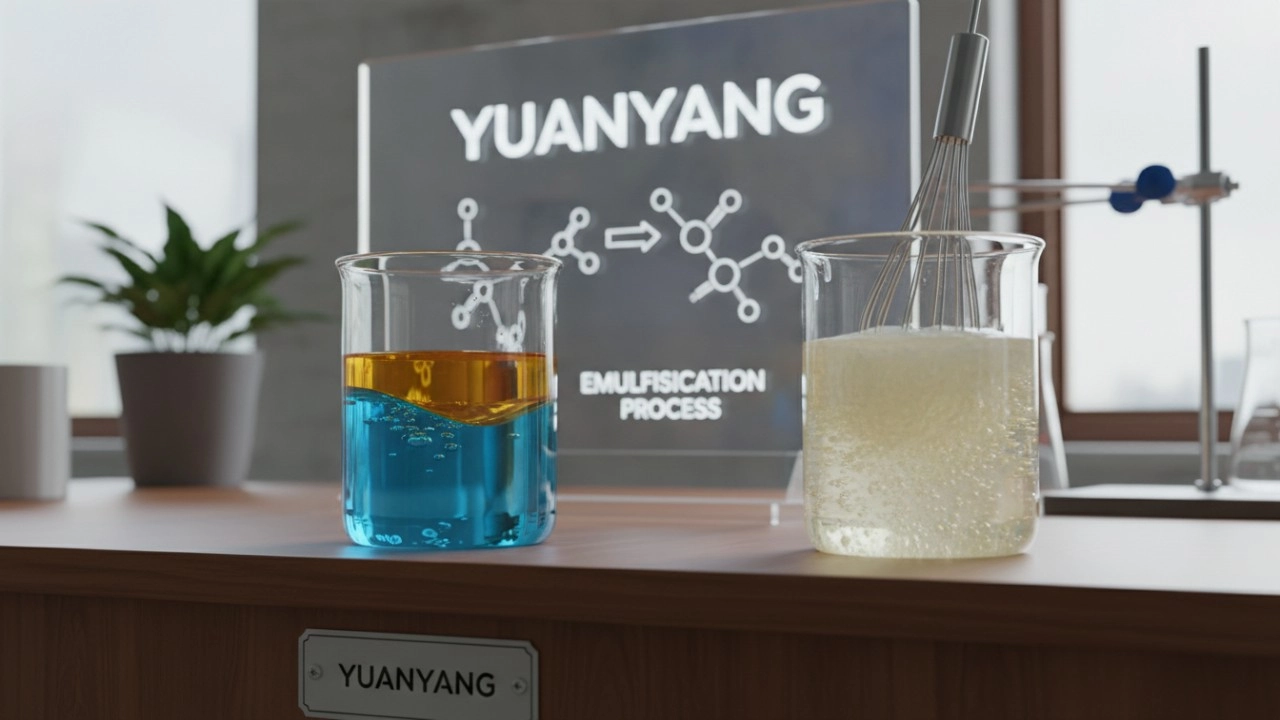
Why Don't Oil and Water Mix? The Ultimate Guide to Polarity and Emulsification Science (2026)
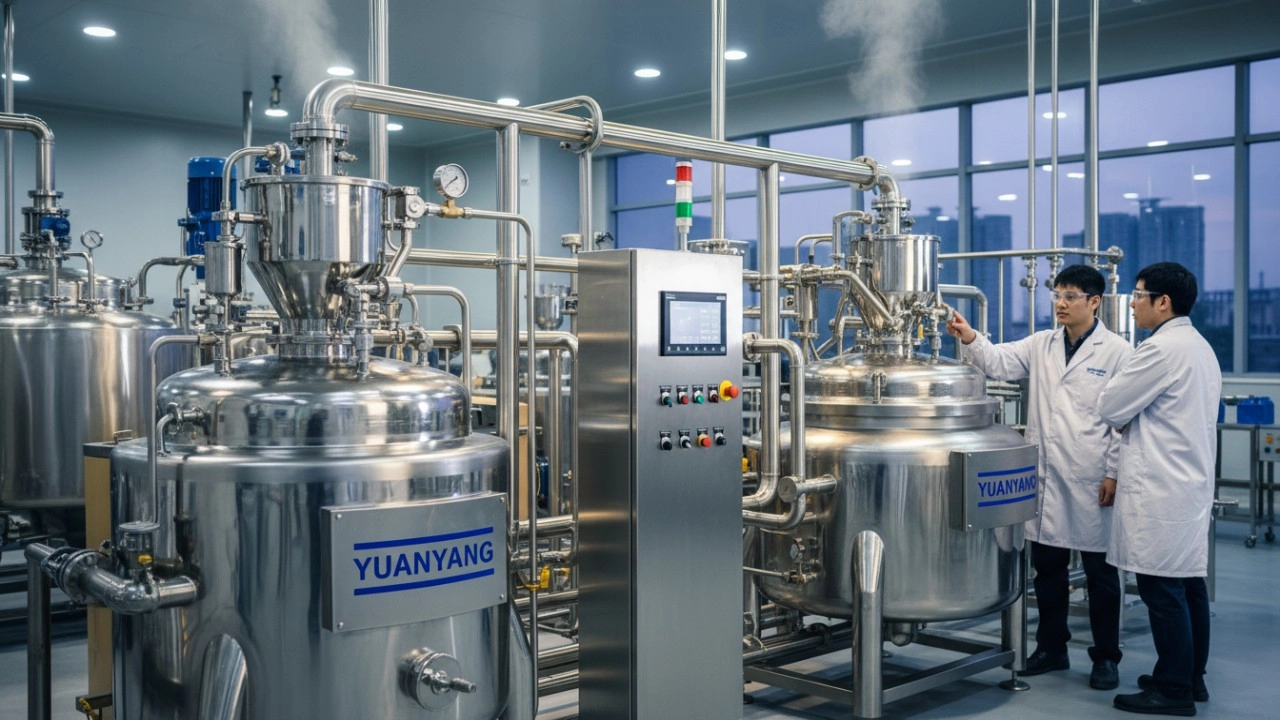
How Emulsification Actually Happens in Industrial Mixing Systems (2026 Guide)
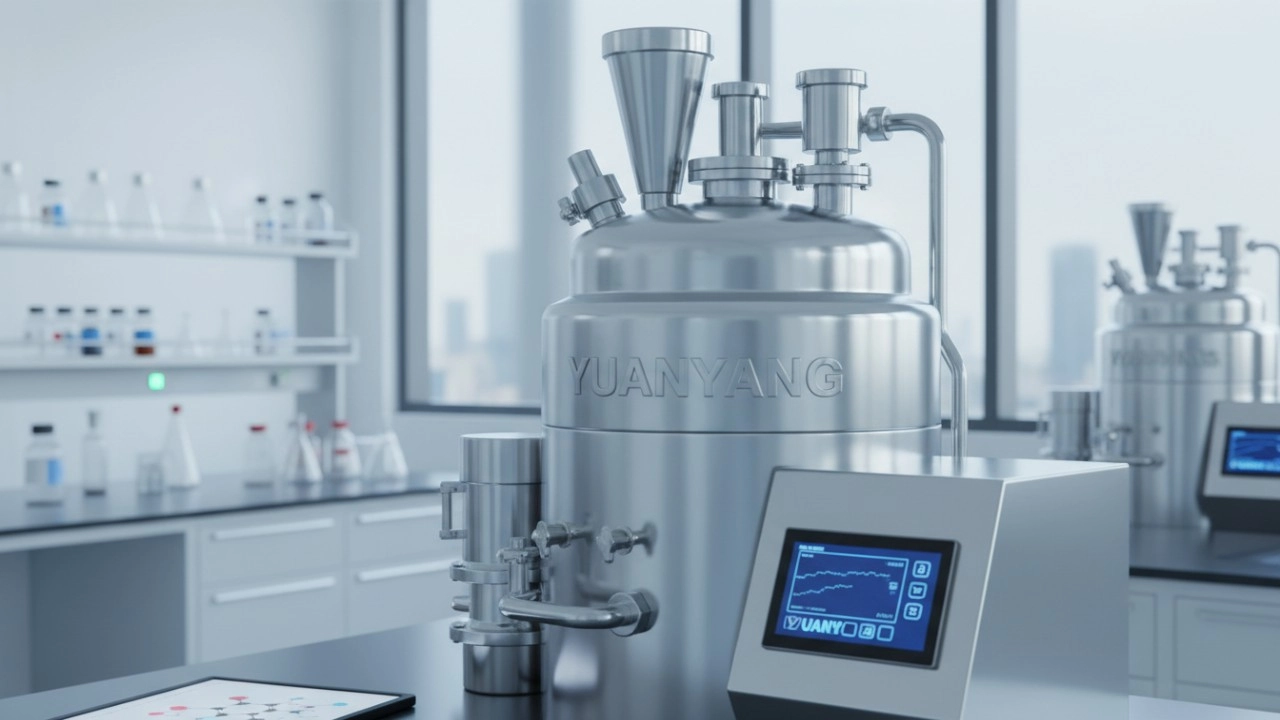
Understanding Vacuum Emulsifying Mixers as a System: From Process Logic to Production Outcomes
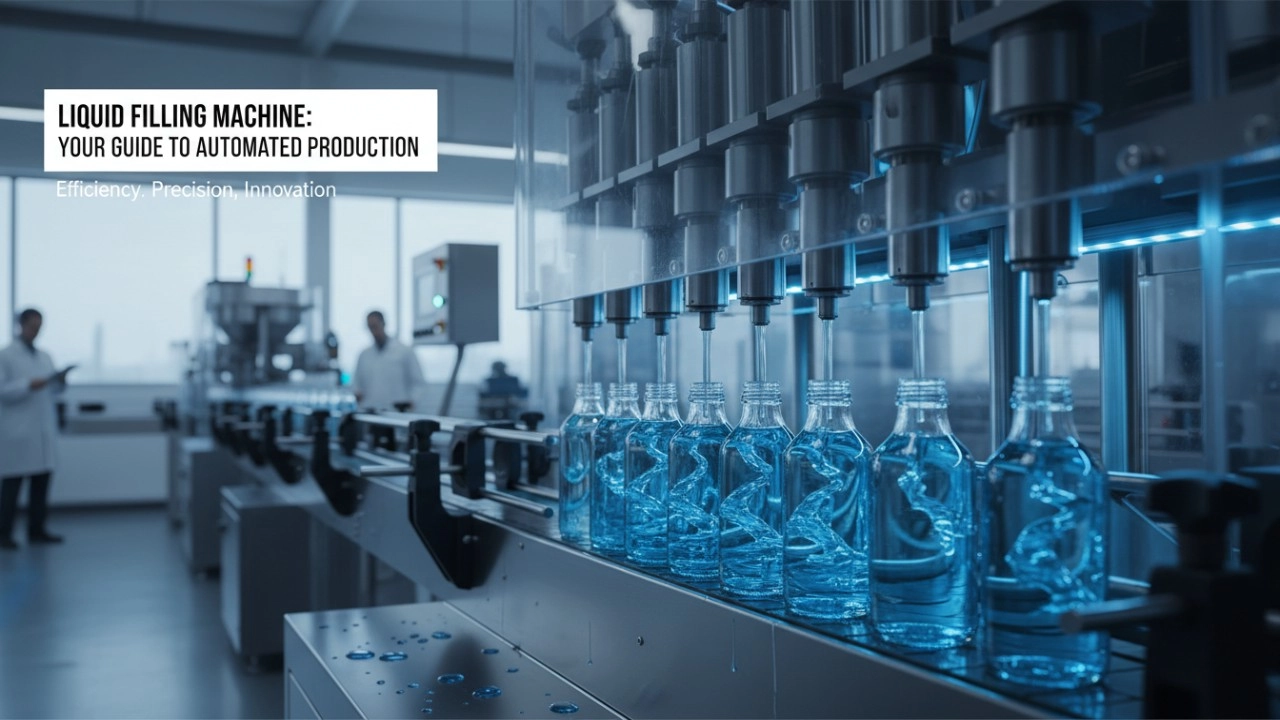
Beyond Automation: How Smart Liquid Filling Machines are Transforming Modern Packaging Lines
7 Dangerous Mistakes Most Companies Make with Underground Storage Tanks (USTs)
Liquid Soap Mixer Machine
Do you use brand parts for the mixing tank?
Yes, our we cooperate with core parts brand, such as Siemens motor, Beide motor, ABB motor, Delixi electricity, Schneider Electric, Delta frequency converter, Siemens PLC ,Mitsubishi touch screen, Mitsubishi frequency converter, German mechanical sealing, NSK bearing...
Yuany’s philosophy is quality first, service first, thus we get a good reputation in the market.
Is the speed adjustable with VFD?
The chemical mixer tank is often with frequency converter. But some clients may just need a fixed speed. So we customize upon requirements.
Sealed Storage Tank
Is this storage tank food grade?
Yes, the liquid tank is made of stainless steel 304 or 316L, can store food sauce, mayonnaise, cosmetic cream, lotion, pharmaceutical ointment, other liquids and paste...
Can you add a card slot to put the name card of each kind of products.
Yes, there is indeed a card slot for the standard storage tanks.
Liquid Mixing Tank
How to cool down fast? When the products is finished,the temperature is high, it takes a long time to get back to room temperature!
⦁The fast way is by using an external chiller to convey the cooling medium (usually cold water) through the pipe into the inner jacket,through water-circulation system to cool;
⦁Another way is directly continuously taking cooling medium (usually tap water) into the inner jacket of the agitator tank from inlet, and drain it from outlet to take away the heat.
Leave a message
Have any questions or concerns about our products? Please leave us a message here, and our team will get back to you promptly.
 Scan QR Code
Facebook
YouTube
LinkedIn
Whatsapp: +8613434139712
Guangzhou Yuanyang Machinery