





how to set up ro water filter | YUANYANG Guide
- 1. Pre-Installation Considerations
- 2. RO System Components & Setup
- Essential Components:
- Installation Steps:
- 1. Mount the System:
- 2. Connect Pre-Filters:
- 3. Install RO Membrane:
- 4. Set Up Pressure Pump (if required):
- 5. Connect Storage Tank & Post-Filter:
- 3. Post-Installation Checks
- 4. Maintenance Best Practices
- 5. Benefits for Industrial Mixing Applications
# How to Set Up an RO Water Filter for Industrial Mixers
Reverse Osmosis (RO) water filters are essential for industrial mixing applications, ensuring water purity and preventing contamination in sensitive processes. Proper setup maximizes efficiency and prolongs equipment life. Below is a step-by-step guide for professionals.
1. Pre-Installation Considerations
- Water Quality Testing:
- Test source water for TDS (Total Dissolved Solids), pH, and contaminants.
- Ideal TDS for RO systems: < 500 ppm (Source: (https://www.who.int/)).
- Flow Rate Requirements:
- Match RO system capacity (GPD – Gallons Per Day) with mixer demand.
- Space & Placement:
- Ensure adequate space near the mixer for easy maintenance.
2. RO System Components & Setup
Essential Components:
- Pre-filters (sediment & carbon)
- RO membrane
- Pressure pump (if needed)
- Storage tank
- Post-filter (polishing)
Installation Steps:
1. Mount the System:
- Secure the RO unit near the water source.
2. Connect Pre-Filters:
- Install sediment (5-micron) and carbon filters to protect the RO membrane.
3. Install RO Membrane:
- Follow manufacturer instructions for proper orientation.
4. Set Up Pressure Pump (if required):
- Ensures optimal pressure (40-80 psi) for efficient filtration.
5. Connect Storage Tank & Post-Filter:
- Ensures purified water is free of residual impurities.
3. Post-Installation Checks
- Leak Testing:
- Run water for 10-15 minutes to check for leaks.
- TDS Verification:
- Post-filter TDS should be < 50 ppm for optimal purity.
- Flushing the System:
- Flush the RO membrane for 1-2 hours before full operation.
4. Maintenance Best Practices
- Filter Replacement Schedule:
- Sediment/Carbon: Every 6-12 months.
- RO Membrane: Every 2-3 years (or as per manufacturer guidelines).
- Regular Monitoring:
- Check pressure gauges and TDS levels weekly.
5. Benefits for Industrial Mixing Applications
- Consistent Water Quality: Prevents batch inconsistencies.
- Equipment Protection: Reduces scaling and corrosion in mixers.
- Regulatory Compliance: Meets industry standards for water purity.
For expert guidance on industrial water filtration solutions, consult YUANYANG’s technical team. Proper RO setup ensures long-term efficiency and product quality in industrial mixing processes.
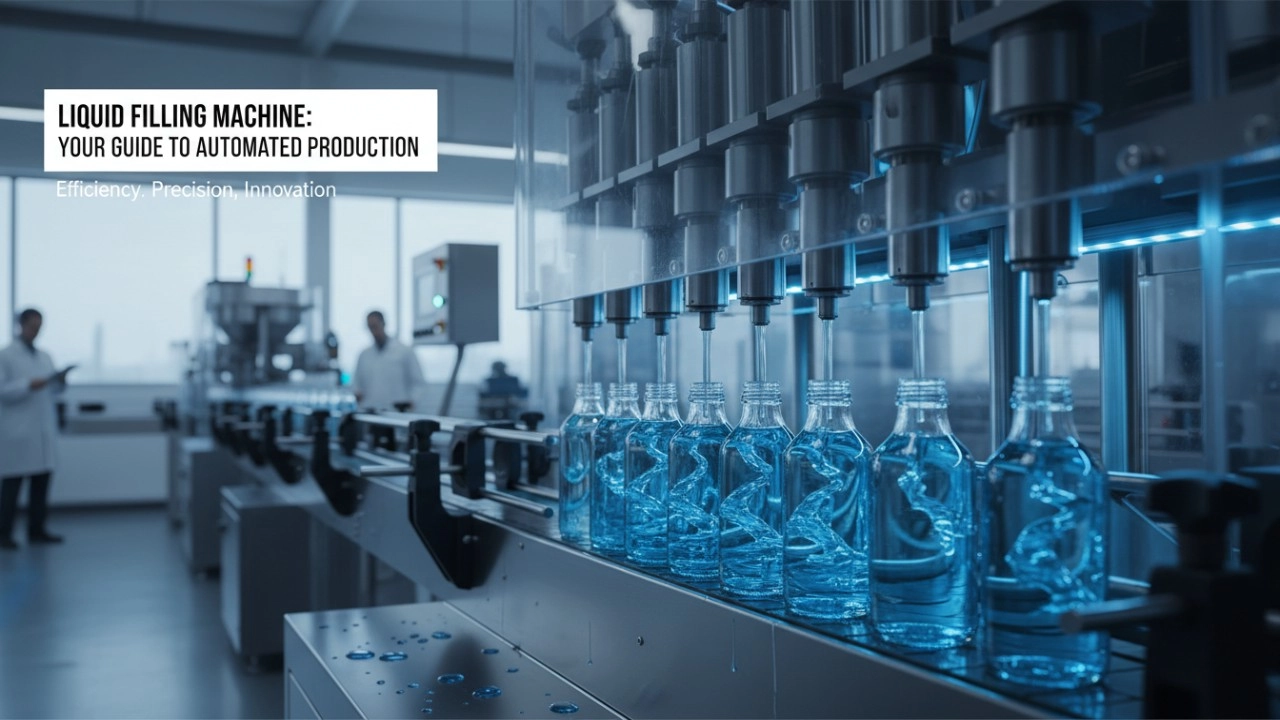
Beyond Automation: How Smart Liquid Filling Machines are Transforming Modern Packaging Lines
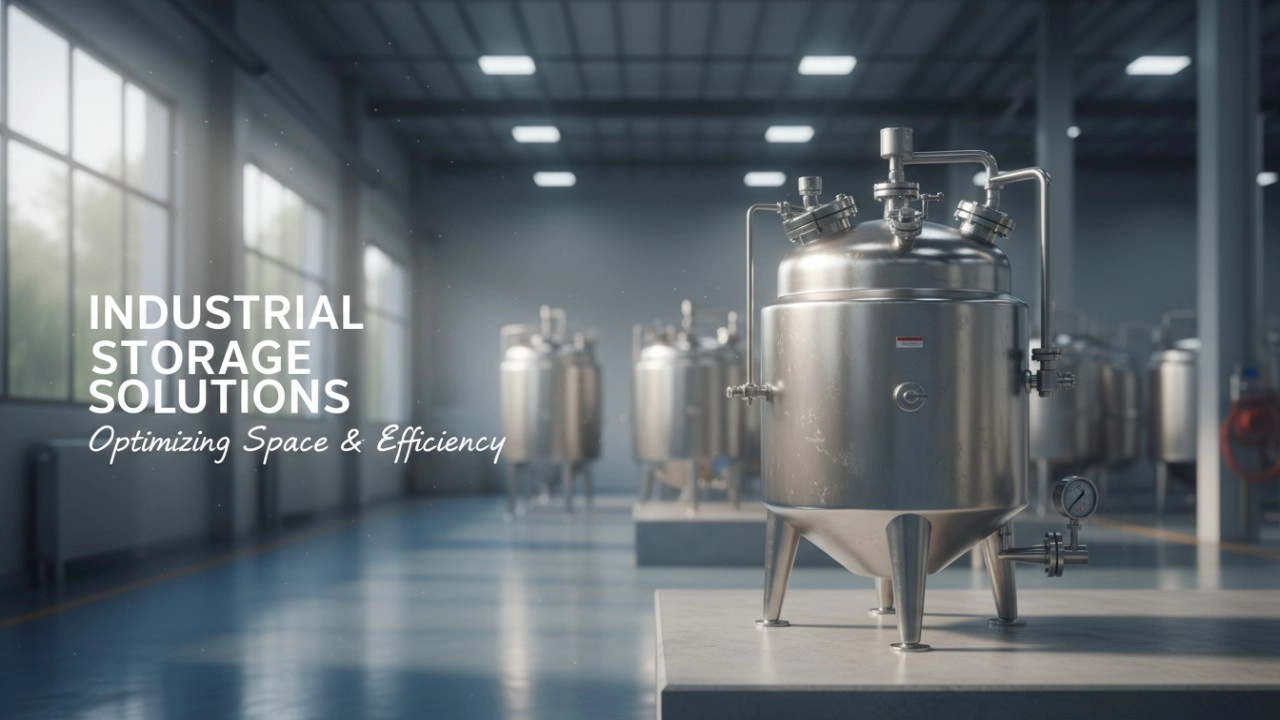
7 Dangerous Mistakes Most Companies Make with Underground Storage Tanks (USTs)
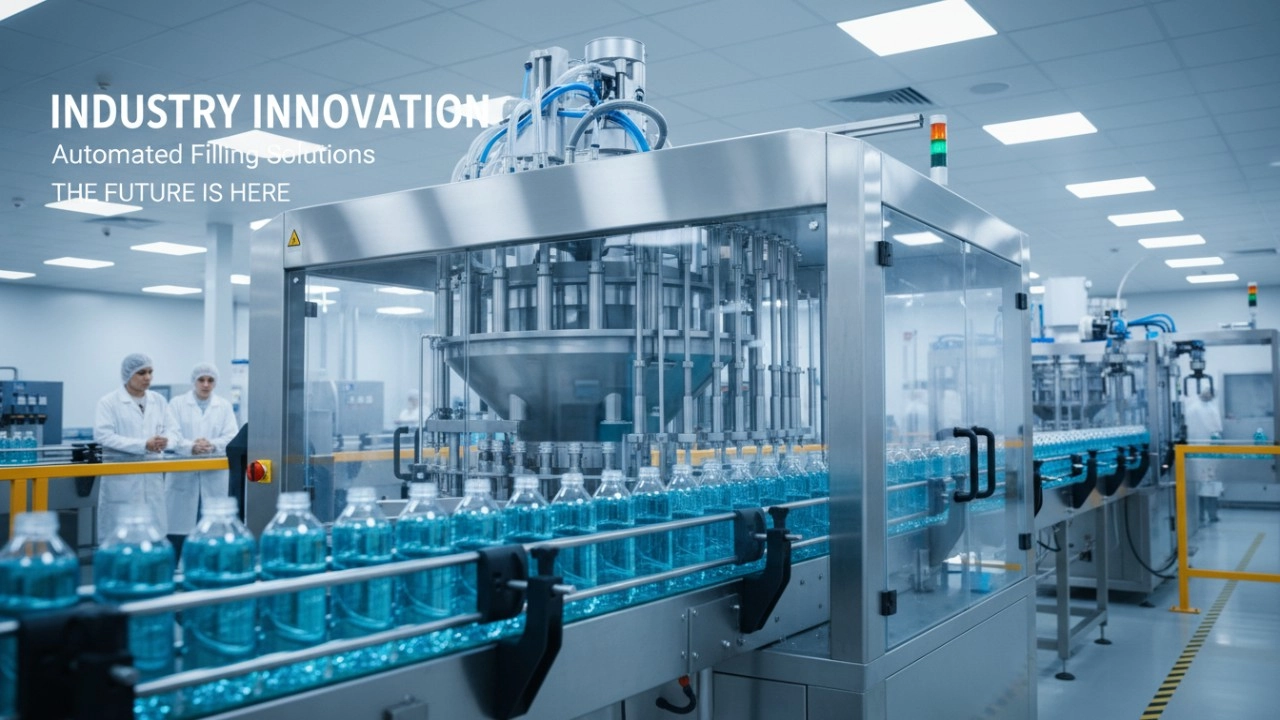
How to Future-Proof Your Production Line: The Latest Innovations in Precision Filling Machinery (2026 Guide)
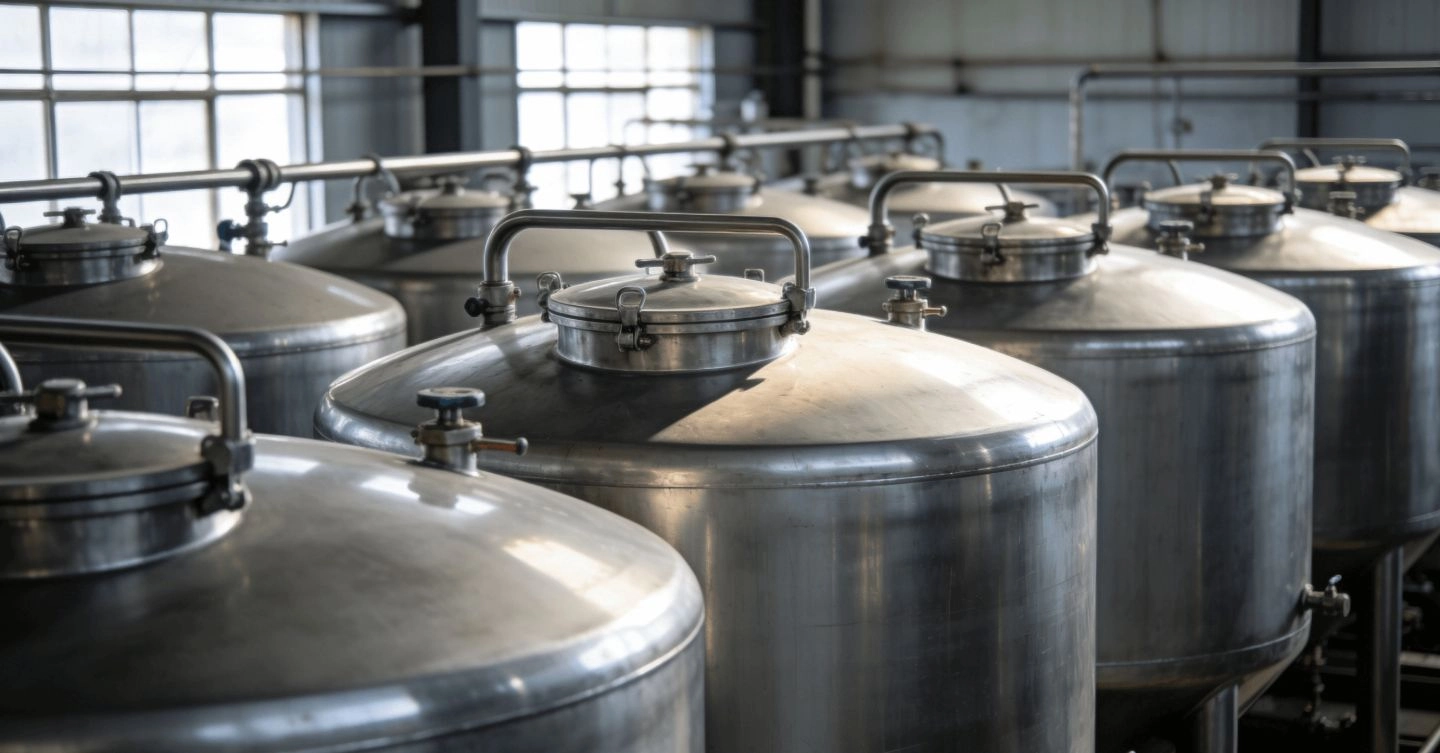
The Definitive Guide to Industrial Storage Tanks 2026: Why Food-Grade Stainless Steel is the Gold Standard
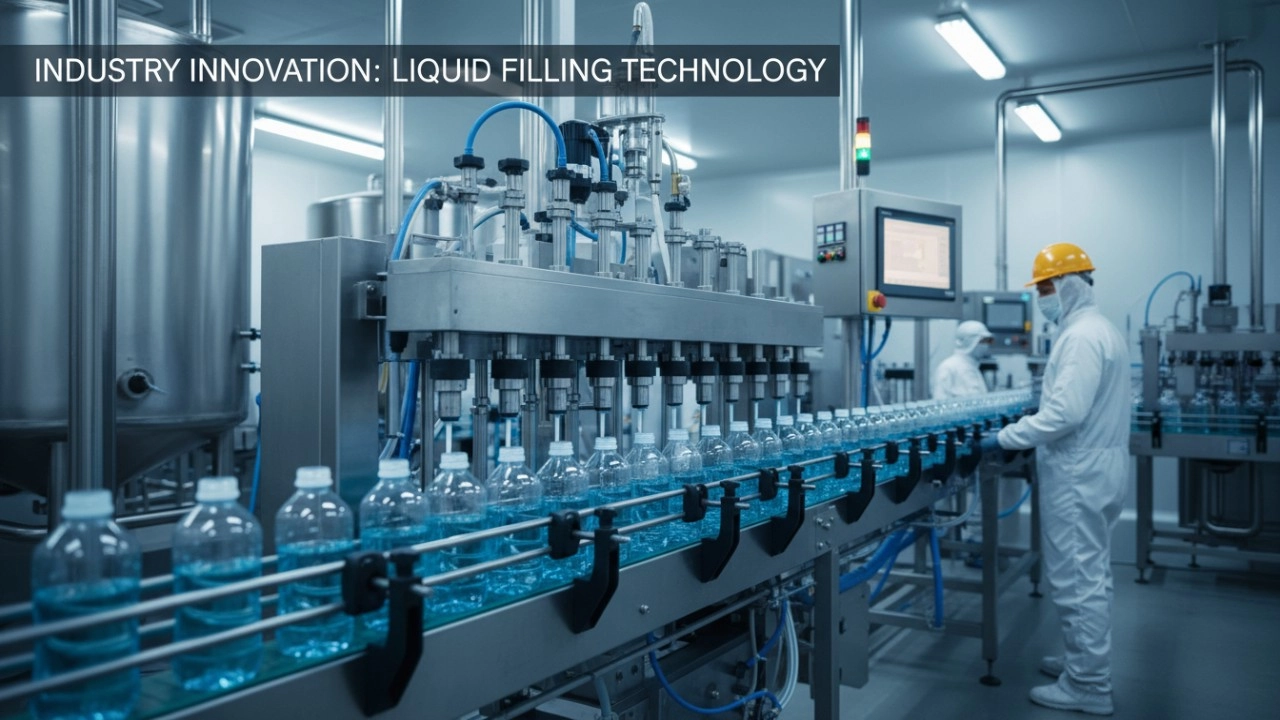
The Ultimate 2026 Guide to Liquid Filling Machines: Types, Technologies, and Strategic Selection
Desktop Labeling Machine
Is the supporting table in the pictures be sold together with automatic bottle labeling machine?
Yes, the regular quote does not include the supporting table which is optional, but we will provide if clients need, the table on wheels.
Sachet Packaging Machine
What type of film is the automatic packing machine suitable for?
The film materials include polypropylene film, polyethylene film, polyester film, nylon film and aluminum foil film and so on.
Automatic Round Bottle Labeling Machine
Can this sticker labeling machine be suitable for glass bottles?
Yes, this round bottle sticker labeling machine is suitable for sticking labels on glass bottles.
Melting Tank
Does the jacket melting tank have temperature regulator?
Yes, the heated tank is with control panel, there is temperature display. The tank bottom is inserted a temperature probe. We can set the targeted temperature also.
Ribbon mixer
Do you also have a machine for powder feeding?
Yes, we also manufacture powder feeder machine for the horizontal mixer machine. It is usually recommended the screw powder feeder type.
Leave a message
Have any questions or concerns about our products? Please leave us a message here, and our team will get back to you promptly.
 Scan QR Code
Facebook
YouTube
LinkedIn
Whatsapp: +8613434139712
Guangzhou Yuanyang Machinery