





Understanding the Semi-Automatic Filling Line: Benefits and Components
Explore the advantages and components of a semi-automatic filling line, including filling, capping, and labeling machines, for streamlined production.
- Introduction to the Semi-Automatic Filling Line
- What is a Semi-Automatic Filling Line?
- Components of a Semi-Automatic Filling Line
- Semi-Automatic Filling Machine: Key Features and Functions
- What is a Semi-Automatic Filling Machine?
- Benefits of Using a Semi-Automatic Filling Machine
- How It Works
- Semi-Automatic Capping Machine: Ensuring Tight Seals
- The Role of a Semi-Automatic Capping Machine
- Advantages of Semi-Automatic Capping Machines
- How It Works
- Semi-Automatic Labeling Machine: Streamlining the Final Touch
- What Does a Semi-Automatic Labeling Machine Do?
- Benefits of Semi-Automatic Labeling Machines
- How It Works
- Advantages of a Semi-Automatic Filling Line
- Increased Efficiency Without Full Automation
- Lower Capital Investment
- Reduced Labor Costs
- Improved Quality Control
- Semi-Automatic Filling Line Applications
- Ideal for Small to Medium Businesses
- Suitable for Various Industries
- Conclusion
Introduction to the Semi-Automatic Filling Line
The semi-automatic filling line is a crucial piece of equipment used in various industries such as food, beverages, cosmetics, and chemicals. It provides a balance between manual and fully automated systems, making it an ideal solution for businesses looking to scale production without large capital investment. In this article, we will explore the components of a semi-automatic filling line, its benefits, and its role in modern production processes.
What is a Semi-Automatic Filling Line?
A semi-automatic filling line consists of several machines working in conjunction to fill, cap, and label containers. While not as automated as a fully automatic system, it provides significant labor savings and increased efficiency compared to manual methods. The semi-automatic system typically requires an operator to oversee the process and perform certain tasks, such as loading and unloading containers, but the machinery handles the most time-consuming and repetitive aspects.
Components of a Semi-Automatic Filling Line
A semi-automatic filling line usually comprises the following components:
1. Semi-Automatic Filling Machine
2. Semi-Automatic Capping Machine
3. Semi-Automatic Labeling Machine
4. Conveyor System (optional for some lines)
Each of these components plays a key role in improving production speed, consistency, and quality.
Semi-Automatic Filling Machine: Key Features and Functions
What is a Semi-Automatic Filling Machine?
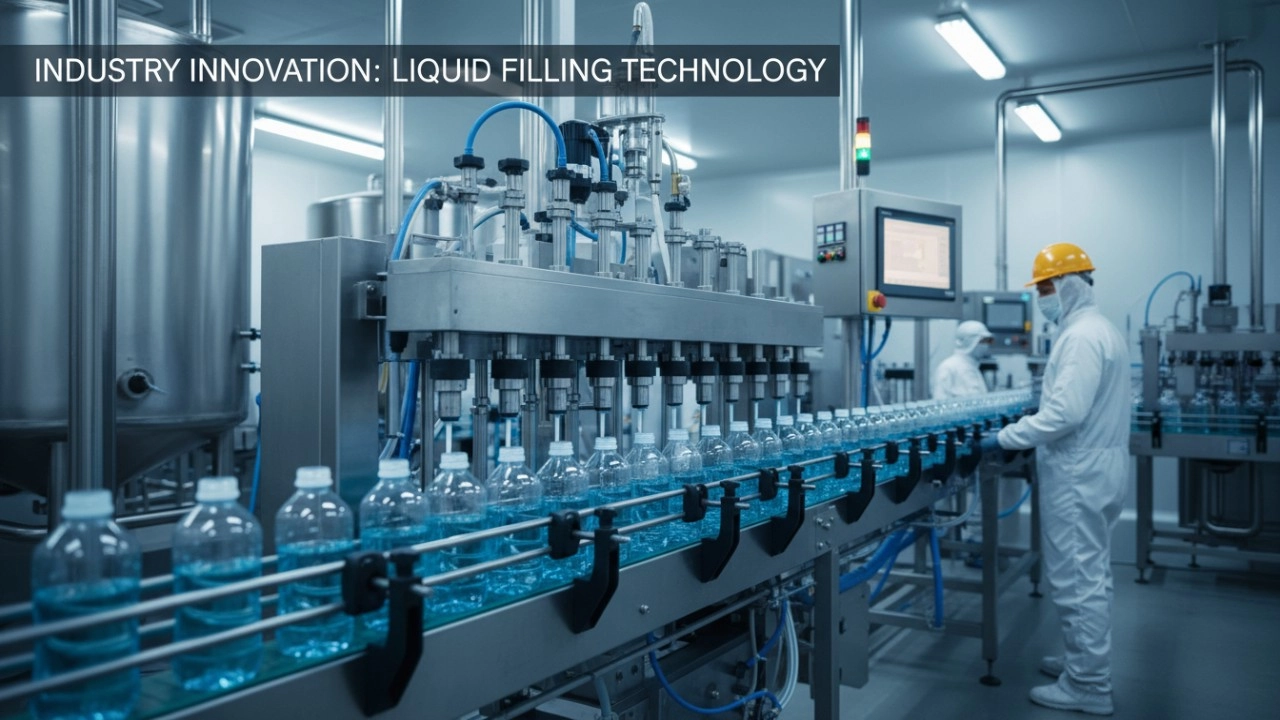
The semi-automatic filling machine is the centerpiece of the filling line. It is designed to accurately fill a range of liquid products, such as shampoos, detergents, oils, and beverages, into containers. Unlike fully automated systems, the semi-automatic version still requires human intervention in some aspects of the operation.
Benefits of Using a Semi-Automatic Filling Machine
Flexibility: Semi-automatic filling machines can handle a variety of container sizes and types, making them versatile for different production runs.
Accuracy: These machines offer precise filling capabilities, minimizing product wastage and ensuring consistent fill levels.
Cost-Effective: With lower upfront costs compared to fully automated systems, semi-automatic machines provide a good ROI for small to medium-sized businesses.
Ease of Use: Semi-automatic filling machines are relatively easy to operate, even for those with minimal technical expertise.
How It Works
A semi-automatic filling machine typically works by utilizing gravity or positive displacement methods to fill containers. The operator places the container under the nozzle, and the machine dispenses the liquid until the desired volume is reached. Once the container is filled, it is manually moved to the capping stage.
Semi-Automatic Capping Machine: Ensuring Tight Seals
The Role of a Semi-Automatic Capping Machine
After the containers are filled, they need to be securely capped to maintain product integrity. The semi-automatic capping machine is designed to apply caps efficiently, ensuring a tight and secure seal. Operators load the containers into the capping machine, which then aligns the cap and tightens it to the appropriate torque.
Advantages of Semi-Automatic Capping Machines
Enhanced Seal Quality: Semi-automatic capping machines are designed to apply consistent pressure, ensuring that caps are securely sealed to avoid leaks or contamination.
Adaptability: These machines can be adjusted to handle various cap sizes and types, offering flexibility for different product lines.
Cost-Efficiency: Semi-automatic capping machines are more affordable than their fully automated counterparts, making them a great choice for businesses with moderate production needs.
How It Works
The operator manually places the filled containers on the capping station, where the machine grips the cap and applies it to the bottle or jar. Depending on the machine's design, the operator may need to manually adjust settings or monitor the process, but the capping itself is done automatically.
Semi-Automatic Labeling Machine: Streamlining the Final Touch
What Does a Semi-Automatic Labeling Machine Do?
Once the containers are filled and capped, they require labels for branding and product information. The semi-automatic labeling machine is responsible for applying labels to containers with high accuracy and minimal effort. It is particularly useful for small-to-medium production runs where full automation would be too costly.
Benefits of Semi-Automatic Labeling Machines
Precision: These machines ensure that labels are applied straight and evenly, improving the overall appearance of the product.
Speed: Semi-automatic labeling machines can apply labels quickly, reducing bottlenecks in the production line.
Versatility: They can accommodate various label sizes and container shapes, making them adaptable to different products.
How It Works
The operator places the container into the labeling station, and the machine applies the label with the help of rollers or belts. The system is typically adjustable, allowing operators to switch between different label types or container sizes quickly.
Advantages of a Semi-Automatic Filling Line
Increased Efficiency Without Full Automation
A semi-automatic filling line offers a middle ground between manual and fully automatic production. It allows businesses to increase production speed without the steep investment required for a fully automated system. Operators still play a role, but the machines handle most of the repetitive tasks, allowing workers to focus on other important aspects of production.
Lower Capital Investment
For small to medium-sized businesses, investing in fully automated equipment may not be financially feasible. A semi-automatic filling line provides an affordable alternative that delivers excellent performance without breaking the bank.
Reduced Labor Costs
While operators are still needed, the semi-automatic system reduces the number of manual steps required in production. This translates into lower labor costs and a more streamlined operation.
Improved Quality Control
With fewer human hands involved in the process, there is less chance for errors, leading to more consistent product quality. The machines ensure precise filling, capping, and labeling, which helps maintain product integrity and meet regulatory requirements.
Semi-Automatic Filling Line Applications
Ideal for Small to Medium Businesses
A semi-automatic filling line is perfect for businesses that are growing but are not yet ready to transition to a fully automated system. It allows for flexibility and scalability, providing a smooth transition to higher levels of automation as the business expands.
Suitable for Various Industries
Semi-automatic filling lines are widely used in several industries, including:
Food and Beverage: For filling sauces, juices, or bottled beverages.
Cosmetics: For dispensing creams, lotions, or shampoos.
Chemicals: For filling detergents, cleaning products, and other liquid chemicals.
Conclusion
The semi-automatic filling line is an essential solution for businesses looking to optimize their production processes without the heavy investment in fully automated systems. By incorporating semi-automatic filling machines, capping machines, and labeling machines into the production line, companies can increase efficiency, improve quality, and reduce operational costs. Whether you’re just starting out or expanding, this hybrid approach offers flexibility, scalability, and a clear path for growth.
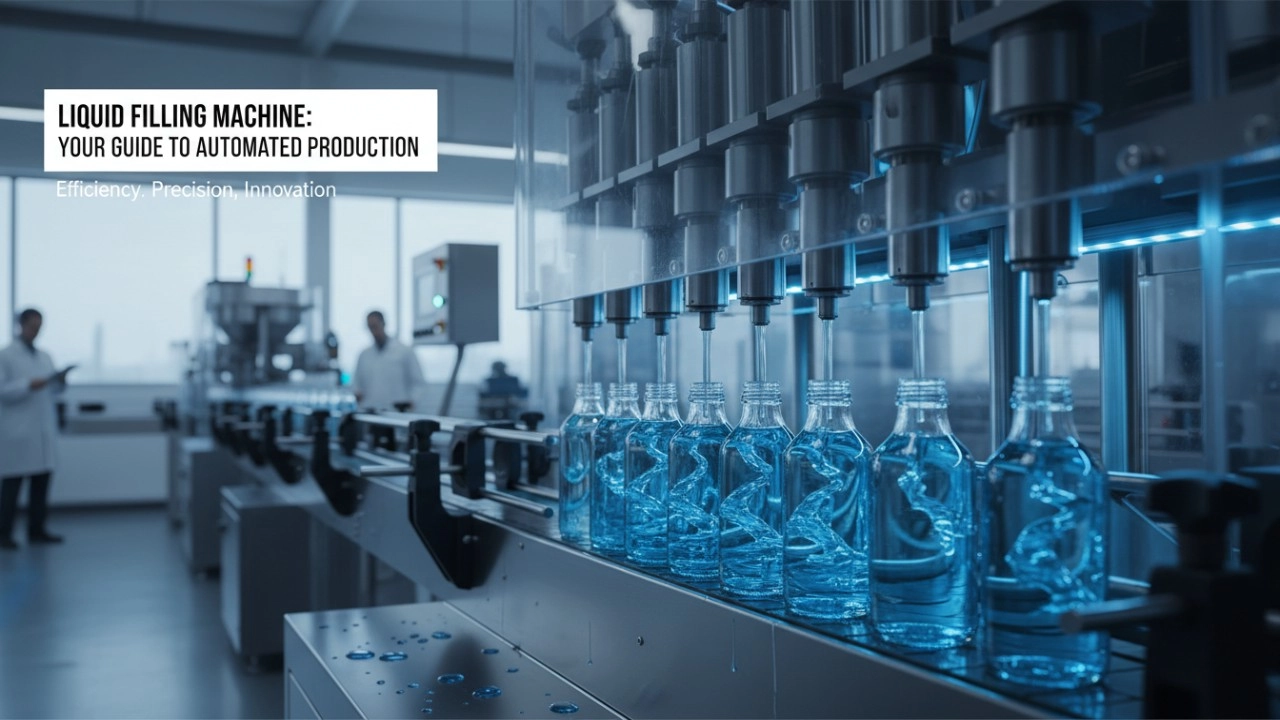
Beyond Automation: How Smart Liquid Filling Machines are Transforming Modern Packaging Lines
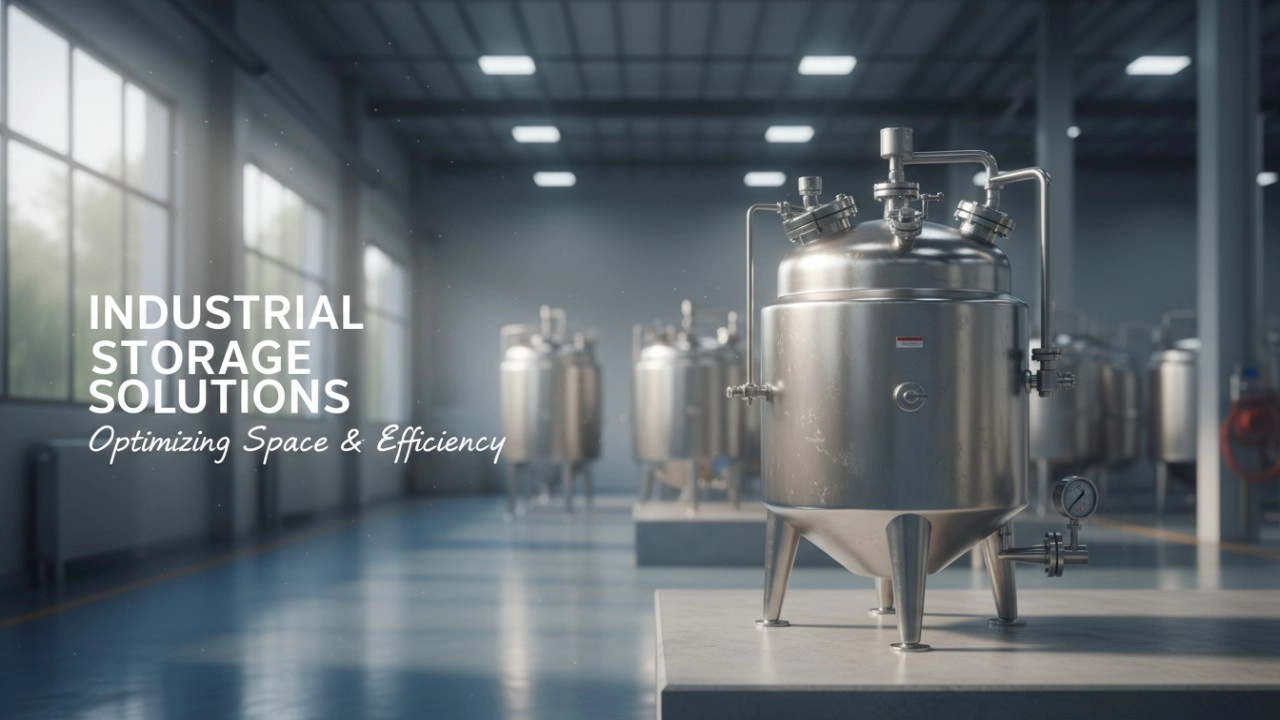
7 Dangerous Mistakes Most Companies Make with Underground Storage Tanks (USTs)
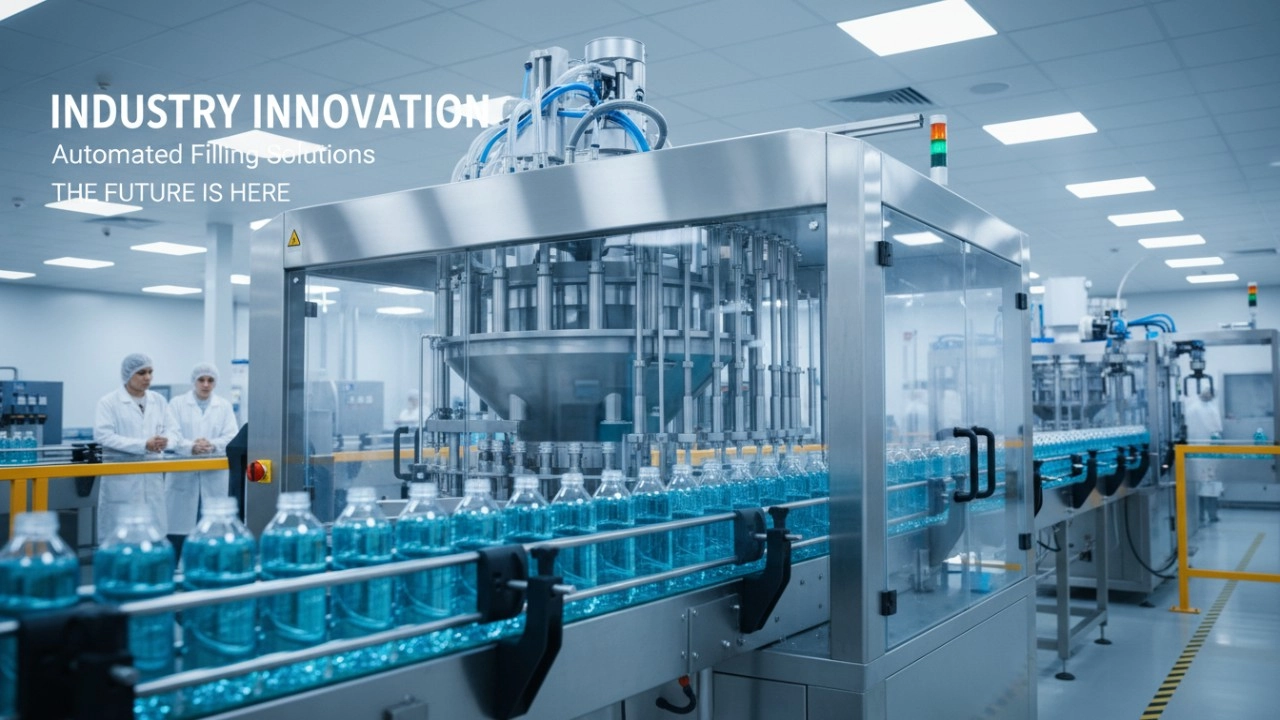
How to Future-Proof Your Production Line: The Latest Innovations in Precision Filling Machinery (2026 Guide)
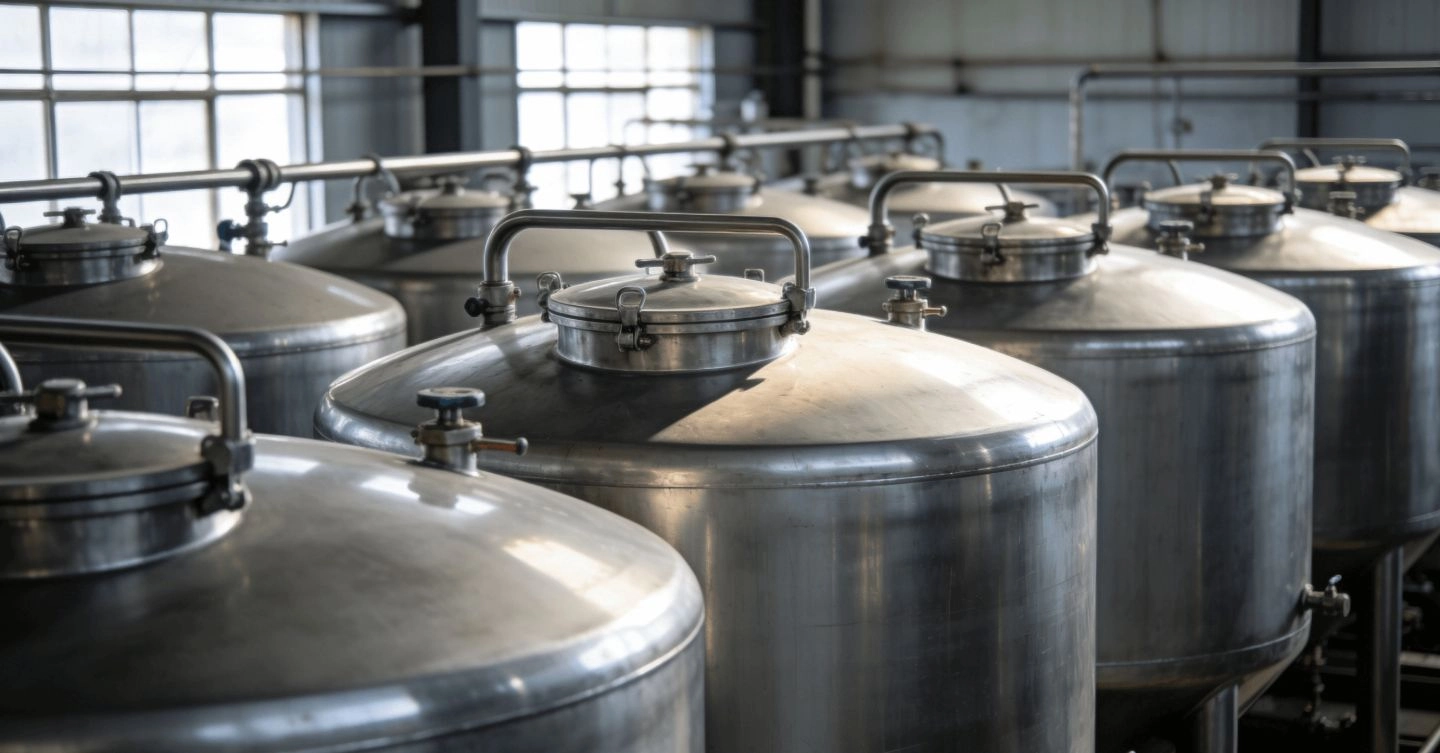
The Definitive Guide to Industrial Storage Tanks 2026: Why Food-Grade Stainless Steel is the Gold Standard
The Ultimate 2026 Guide to Liquid Filling Machines: Types, Technologies, and Strategic Selection
Liquid Soap Making Machine
What’s the main function of the industrial liquid mixer machine?
The liquid soap mixer machine is a functional equipment. Its main function is blending, mixing, homogenizing, heating. Client’s choose function according to specific products.
Automatic auger filling machine
Do you have semi automatic auger filling machine also? I have a limit budget.
Yes, both automatic type and semi automatic type are available, clients can choose the type according to budget and actual needs.
Sachet Packaging Machine for Granules
What’s the date printing, steel printing or coding?
There are standard steel date printing on the automatic packaging machine, if clients needs coding type, just tell us to add an extra coding device.
Can packing machinery be used for different film size?
The sachet packing machine for powders is suitable for different film width, but need to customize the bag-former for specific film width, then clients just need to replace the corresponding model for another film width.
Homogenizer Mixing Tank with Circulation System
Can you add circulation system for the shampoo production machine?
Yes, the mixing machines can be added with a pump with circulation system. We customize upon requirements.
Leave a message
Have any questions or concerns about our products? Please leave us a message here, and our team will get back to you promptly.
 Scan QR Code
Facebook
YouTube
LinkedIn
Whatsapp: +8613434139712
Guangzhou Yuanyang Machinery