





What are the different types of homogenizers? | YUANYANG Guide
What are the Different Types of Homogenizers?
Understanding the different types of homogenizers is critical for professionals in the industrial mixer sector seeking optimal particle size reduction, product uniformity, and process consistency. This guide outlines essential homogenizer types, structures, mechanisms, and key industrial benefits to help you make informed equipment decisions.
What is a Homogenizer?
- Definition: A homogenizer is an industrial mixer used to break down solids and liquids into uniform mixtures, ensuring consistency and stability in the final product.
- Applications: Commonly used in food, pharmaceutical, biotech, chemical, and cosmetic industries.
Main Types of Industrial Homogenizers
High-Pressure Homogenizers
- Mechanism: Force product through a narrow gap at high pressure (typically 100–300 MPa).
- Features:
- Superior for particle and droplet size reduction.
- Delivers stable emulsions and dispersions.
- Best For: Dairy, beverage, pharmaceutical syrups.
- Reference: (Source: GEA Group, Homogenizer Technology Overview)
Ultrasonic Homogenizers
- Mechanism: Uses high-frequency ultrasonic waves to create cavitation and disrupt particles.
- Features:
- Effective for cell disruption, nano-emulsions, and extracting bioactive compounds.
- Suitable for small to medium batch sizes.
- Best For: Biotech, pharmaceuticals, laboratory use.
- Reference: (Source: Hielscher Ultrasonics, Application Reports)
Rotor-Stator Homogenizers
- Mechanism: A high-speed rotor spins within a stationary stator, shearing the product.
- Features:
- Good for continuous processing and inline mixing.
- Adjustable for different viscosities and batch sizes.
- Best For: Food sauces, creams, adhesives.
- Reference: (Source: IKA Process Technology, Homogenizer Selection Guide)
Bead (Ball) Mill Homogenizers
- Mechanism: Uses grinding beads to mechanically break down particles.
- Features:
- High efficiency in cell lysis and dispersion of tough materials.
- Scalable for production volumes.
- Best For: Paints, inks, microbiology sample prep.
- Reference: (Source: NETZSCH-Feinmahltechnik, Operating Principles)
Paddle and Blade Homogenizers
- Mechanism: Agitator blades or paddles mix batches, relying on mechanical force.
- Features:
- Simple design, easy to clean.
- Lower shear compared to high-pressure models.
- Best For: Low-viscosity mixing, large batch blending.
How to Choose the Right Homogenizer?
- Consider Product Viscosity: High-pressure units excel with low to medium viscosity; rotor-stator for broader viscosity range.
- Desired Particle Size: For nano-sized reduction, ultrasonic or high-pressure units are preferable.
- Batch Size: Lab-scale requires ultrasonic or bead mills; industrial production uses high-pressure or rotor-stator systems.
- Regulatory Compliance: Ensure the equipment meets food grade, sanitary, and ATEX standards as required.
Key Homogenizer Advantages
- Increases product quality by improving uniformity and stability
- Extends shelf life by preventing separation
- Enhances mixing efficiency, reducing process times and energy use
- Supports scale-up from R&D to industrial production
Authoritative Sources
- GEA Group: (https://www.gea.com/en/products/homogenizers/)
- Hielscher Ultrasonics: (https://www.hielscher.com/c6homogenize.htm)
- IKA: (https://www.ika.com/en/Products-Lab-Eq/Homogenizer-csp-272/)
- NETZSCH: (https://www.netzsch-grinding.com/en/products-solutions/ball-mill/)
For expert guidance in homogenizer selection and industrial mixing solutions, rely on YUANYANG’s industry-leading technology and service.
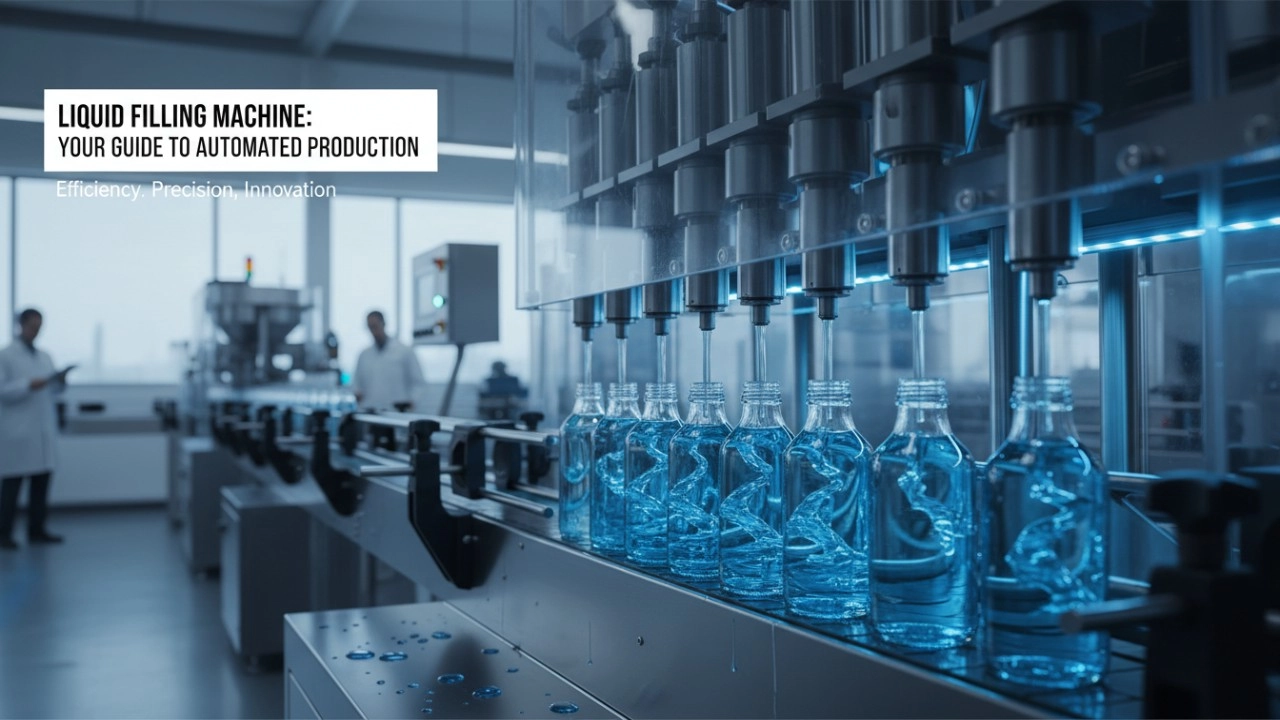
Beyond Automation: How Smart Liquid Filling Machines are Transforming Modern Packaging Lines
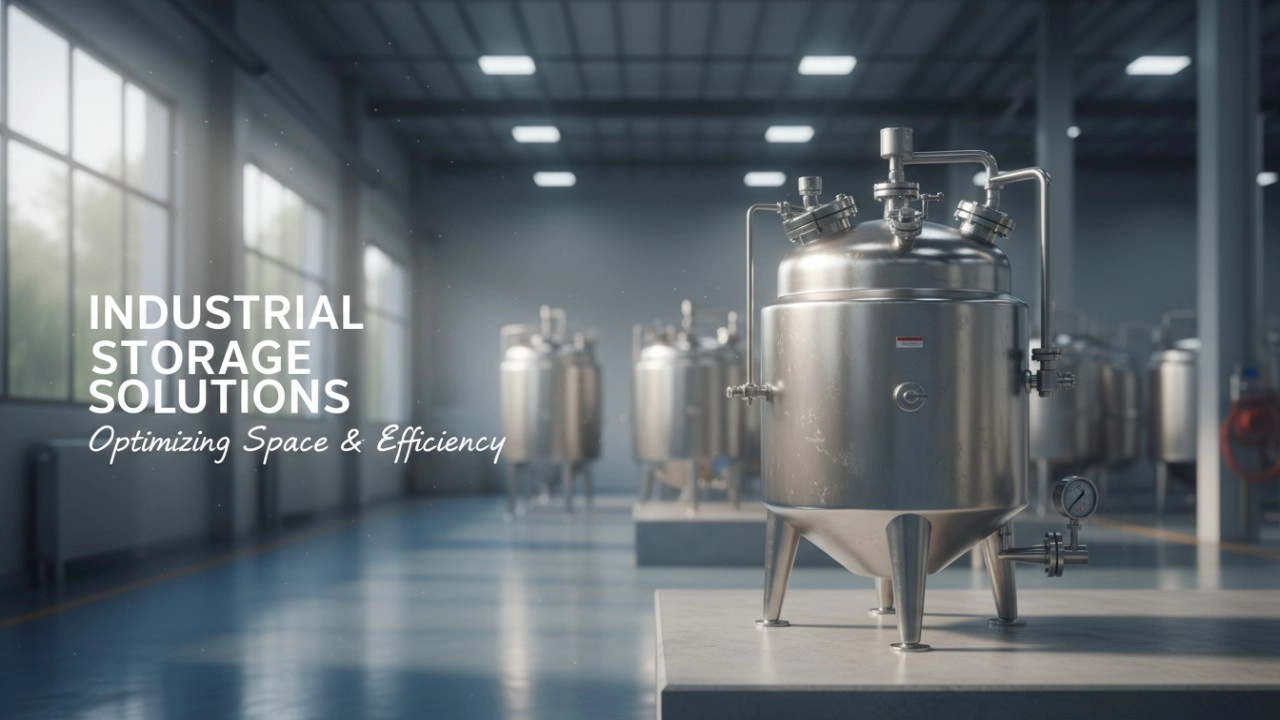
7 Dangerous Mistakes Most Companies Make with Underground Storage Tanks (USTs)
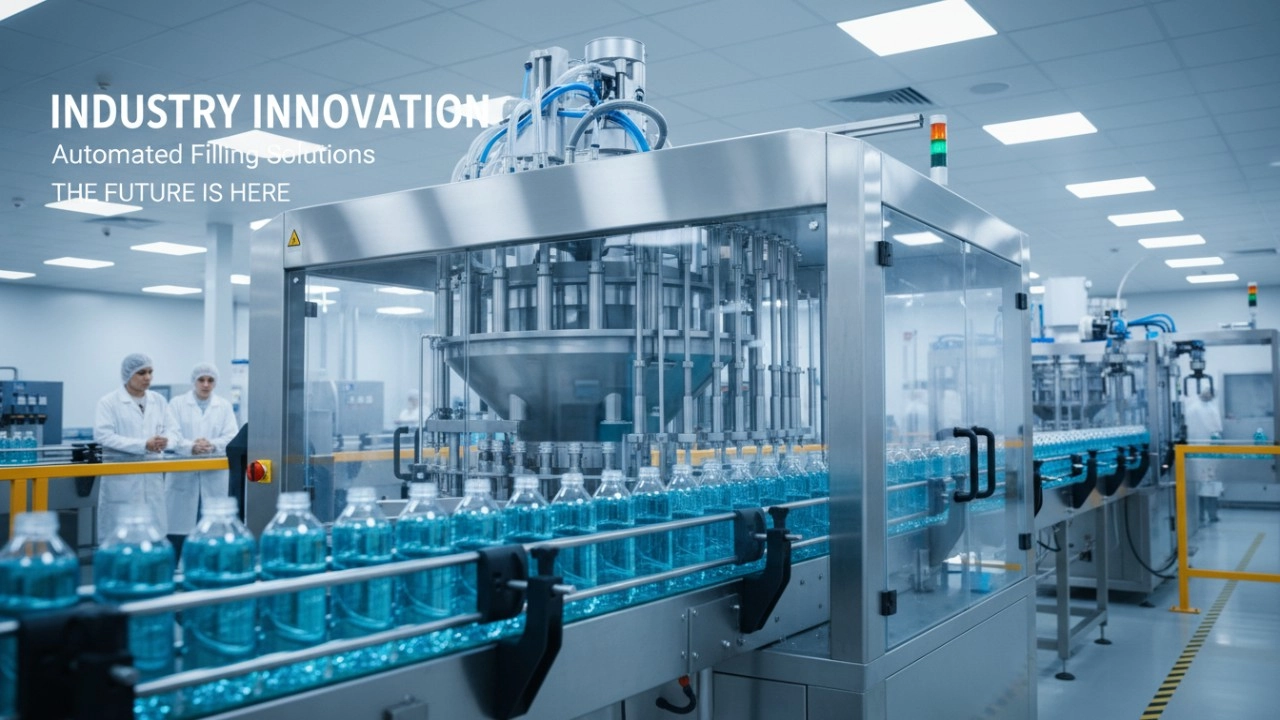
How to Future-Proof Your Production Line: The Latest Innovations in Precision Filling Machinery (2026 Guide)
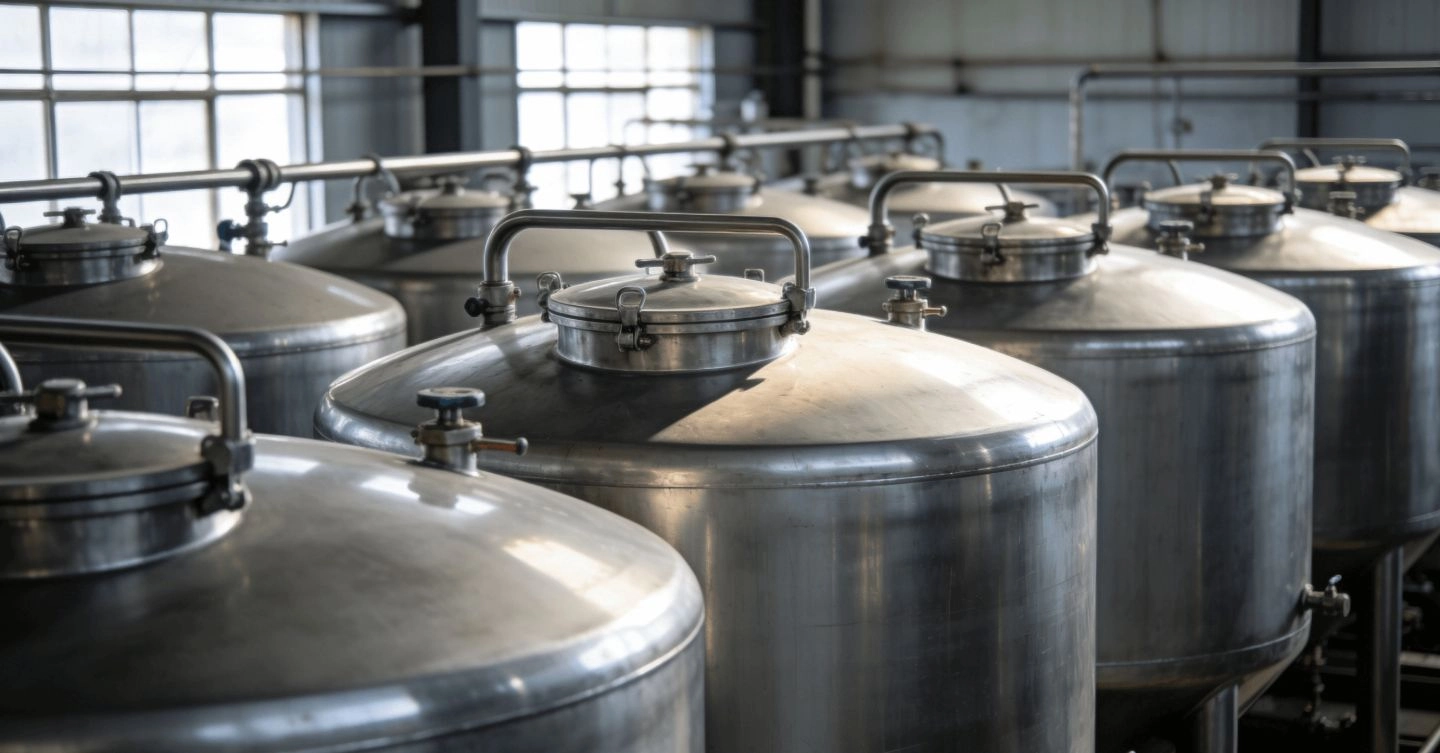
The Definitive Guide to Industrial Storage Tanks 2026: Why Food-Grade Stainless Steel is the Gold Standard
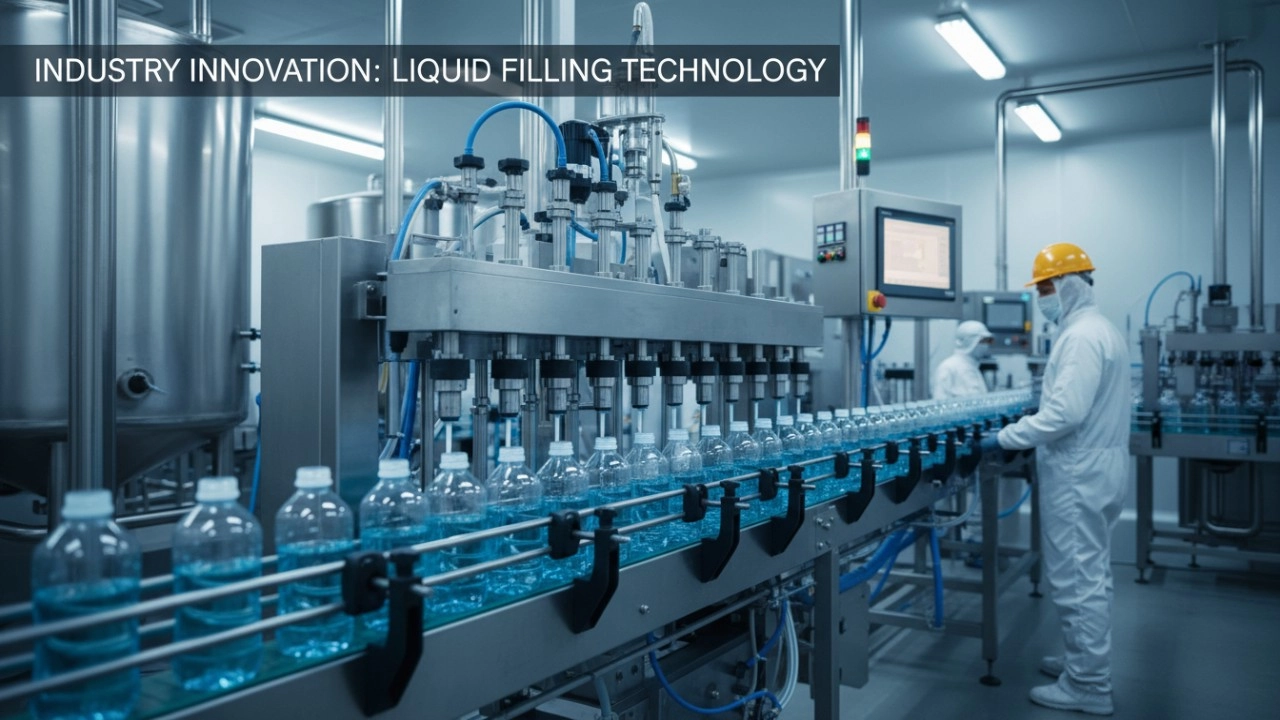
The Ultimate 2026 Guide to Liquid Filling Machines: Types, Technologies, and Strategic Selection
Automatic Screw Capping Machine
What minimum and maximum caps size can the bottle capper machine be suit for?
The cap diameter of standard 4 wheels capping machine is 20-75mm, but can be slightly customized according real cases.
Semi automatic powder filling machine
What’s the motor brand of this semi automatic powder packing machine?
The filling motor is with Servo motor, which has high filling precision.
Automatic Piston Filling Machine
What material can the piston filling machine fill?
The piston filler can fill a variety of viscous liquids and pastes, such as laundry detergent, shampoo, hair conditioner, toothpaste, gel water, aloe vera gel, lotion and other washing and care products, honey, loquat paste, mother-herb paste, ketchup, salad dressing and other food.
Powder Sachet Packaging Machine
Is the powder packing machine suitable for different film size?
The standard sachet packing machine for powders is only suitable for one film size, and module must be customized according to the film width. But client can require more set of module to replace for different film width.
Ribbon mixer
Can the control panel be customized to be hung on the wall?
Yes, we customize a separated control panel which can be moved and installed on the wall or other places.
Leave a message
Have any questions or concerns about our products? Please leave us a message here, and our team will get back to you promptly.
 Scan QR Code
Facebook
YouTube
LinkedIn
Whatsapp: +8613434139712
Guangzhou Yuanyang Machinery