





what is homogenizer | YUANYANG Guide
- What is Homogenizer: A Guide for Industrial Mixer Professionals
- Understanding Homogenizers in Industrial Mixing
- Definition and Core Function
- Main Types of Homogenizers
- Industrial Applications and Benefits
- Key Factors for Selection
- Efficiency and Cost Considerations
- Takeaways for Industrial Mixer Professionals
- SEO Elements
What is Homogenizer: A Guide for Industrial Mixer Professionals
Homogenizers are critical in the industrial mixer industry for achieving uniform mixtures and optimizing product consistency across various applications. This article answers common questions such as “what is homogenizer,” highlights their operational value, and addresses pain points like batch inconsistency.
Understanding Homogenizers in Industrial Mixing
Definition and Core Function
- A homogenizer is a high-shear mixer designed to blend, emulsify, or disperse substances into a uniform mixture.
- Commonly used in industries including food processing, pharmaceuticals, cosmetics, and chemicals to ensure consistent product quality.
- Efficiency in reducing particle size and increasing product shelf-life is a core benefit.
Main Types of Homogenizers
- High-pressure homogenizers: Force fluids through a narrow gap at high velocity for fine emulsification.
- Mechanical homogenizers: Rely on rotor-stator mechanisms for particle size reduction and mixing.
- Ultrasonic homogenizers: Use ultrasonic waves to break apart and mix components efficiently.
*Authoritative Source: (https://www.ehedg.org/)*
Industrial Applications and Benefits
- Food & Beverage: Milk, sauces, and dressings require homogenization to prevent separation and improve texture.
- Pharmaceuticals: Ensures dispersion of active ingredients, enhancing efficacy and stability.
- Cosmetics: Produces stable emulsions, resulting in smooth creams and lotions.
- Chemical Manufacturing: Achieves uniform reactions and consistent product properties.
*Supporting Data: (https://www.marketwatch.com/)*
Key Factors for Selection
- Product viscosity and density: Requires adaptation in homogenizer design for optimal efficiency.
- Scalability: Industrial setups must support both batch and continuous processing.
- Maintenance requirements: Consider models with CIP (clean-in-place) features for faster turnaround.
- Safety and compliance: Ensure units meet relevant industry standards (e.g., EHEDG, FDA).
Efficiency and Cost Considerations
- Homogenizers reduce waste, improve yield, and lower production costs by increasing batch uniformity.
- Investing in the correct homogenizer model prevents downtime associated with product failures.
Takeaways for Industrial Mixer Professionals
- Homogenizers are indispensable for achieving reliable, high-quality results in demanding industrial applications.
- Proper selection, configuration, and maintenance are crucial for maximizing process efficiency and ensuring product consistency.
*For expert advice and the latest industrial mixing solutions, contact our technical team at YUANYANG.*
SEO Elements
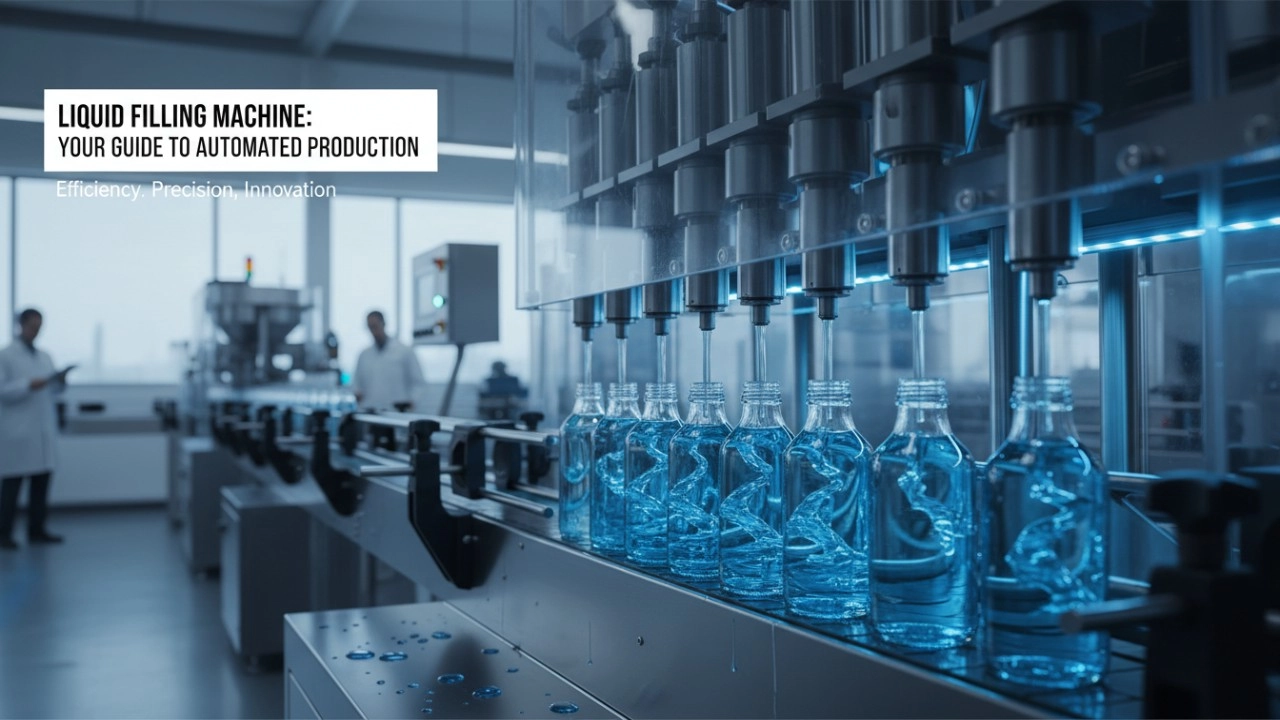
Beyond Automation: How Smart Liquid Filling Machines are Transforming Modern Packaging Lines
7 Dangerous Mistakes Most Companies Make with Underground Storage Tanks (USTs)
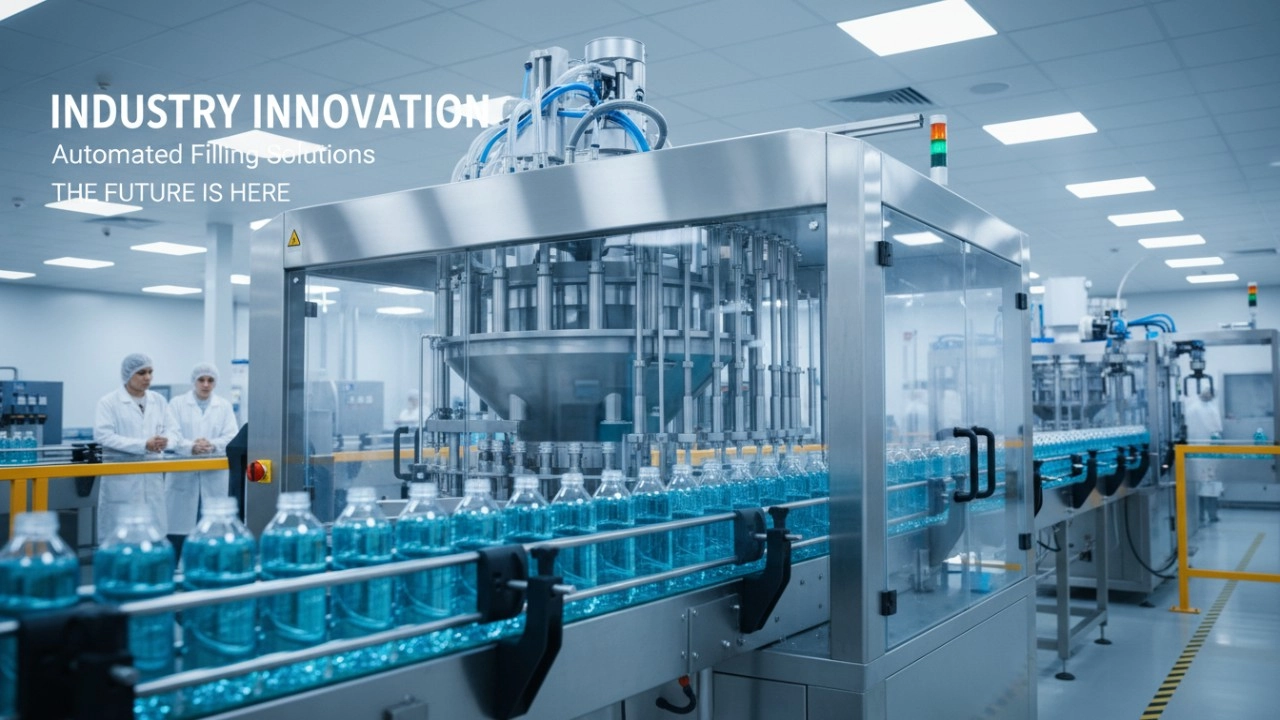
How to Future-Proof Your Production Line: The Latest Innovations in Precision Filling Machinery (2026 Guide)
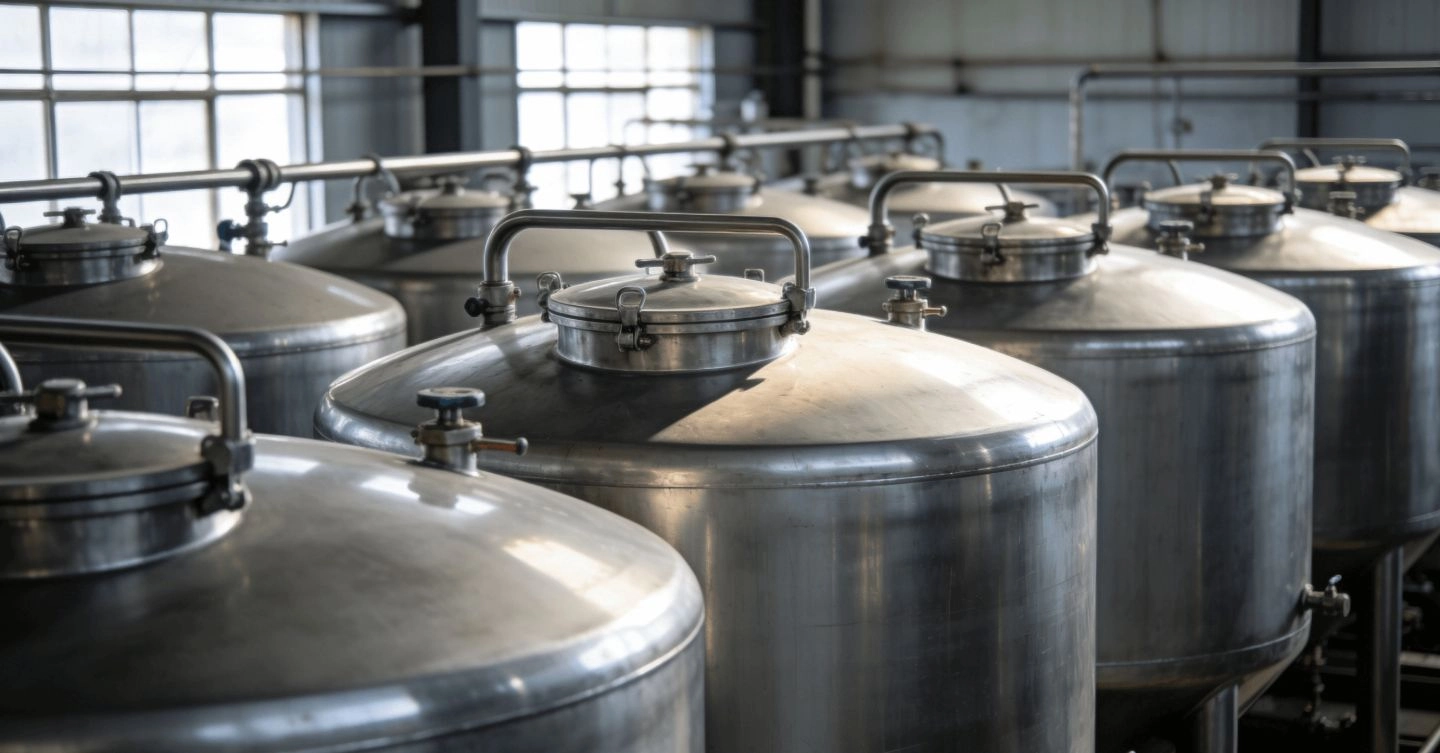
The Definitive Guide to Industrial Storage Tanks 2026: Why Food-Grade Stainless Steel is the Gold Standard
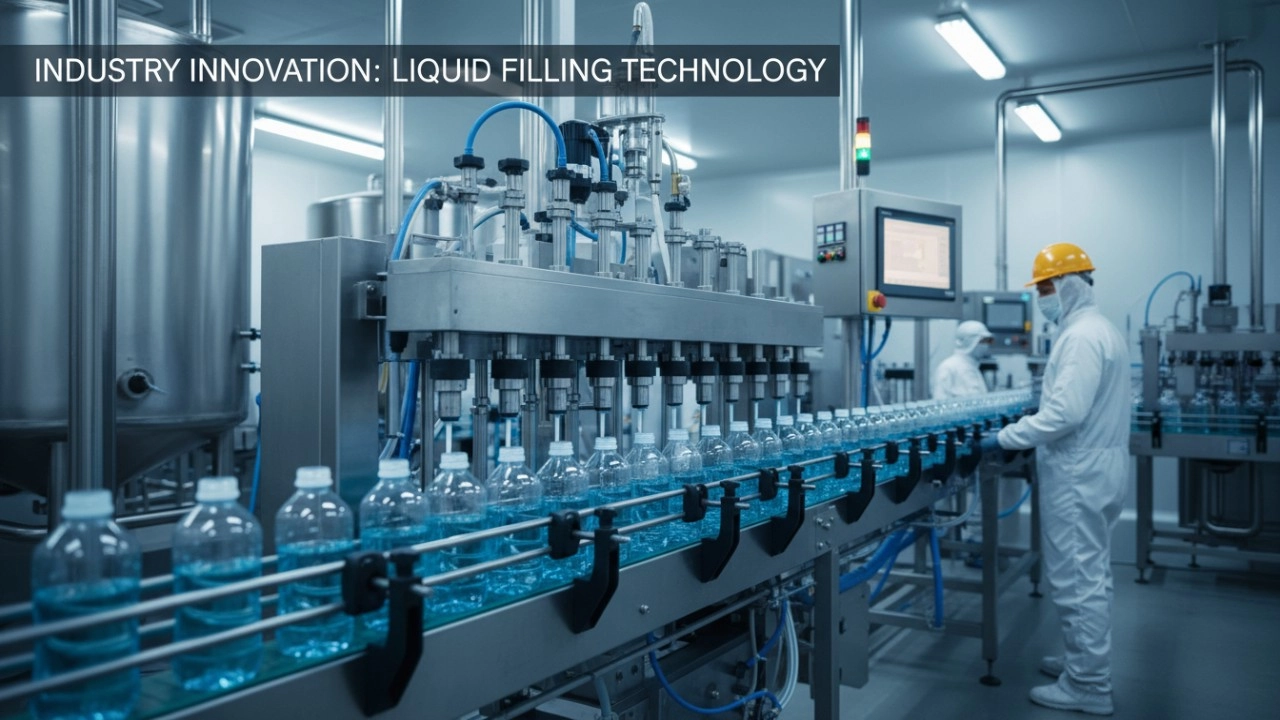
The Ultimate 2026 Guide to Liquid Filling Machines: Types, Technologies, and Strategic Selection
Aluminum Foil Sealing Machine
What’s the maximum and minimum height can the automatic sealing machine lift up and go down?
The maximum height for the sealing head to the floor is 75-120cm.
Detergent powder mixer
Do you have manual instructions for powder mixers?
Yes, we provide manual instruction of English version for clients as well as video test and operations for better understanding.
Melting Tank
Can you add a mixing function for the tank with heater?
Sure, the cooling tank or heating tank can be customized with top mixing such as paddle, or frame, or scrapers. And client can choose a fixed speed 60rpm, or standard 0-60 rpm with speed adjustment, or customize other speed.
Hydraulic Lift Vacuum Mixer
How do you pack for the cosmetic emulsifier?
The emulsifying equipment will be wrapped with film first, then packed with wooden case. The machine is well-protected during shipment.
Liquid Mixing Tank
How to cool down fast? When the products is finished,the temperature is high, it takes a long time to get back to room temperature!
⦁The fast way is by using an external chiller to convey the cooling medium (usually cold water) through the pipe into the inner jacket,through water-circulation system to cool;
⦁Another way is directly continuously taking cooling medium (usually tap water) into the inner jacket of the agitator tank from inlet, and drain it from outlet to take away the heat.
Leave a message
Have any questions or concerns about our products? Please leave us a message here, and our team will get back to you promptly.
 Scan QR Code
Facebook
YouTube
LinkedIn
Whatsapp: +8613434139712
Guangzhou Yuanyang Machinery