





what is sieve shaker machine | YUANYANG Guide
- What Is Sieve Shaker Machine? The Industrial Mixer Professional’s Guide
- What Is a Sieve Shaker Machine?
- Why Are Sieve Shaker Machines Essential for Industrial Mixing?
- Key Features of Modern Sieve Shaker Machines
- Typical Applications of Sieve Shaker Machines in Mixing Plants
- Industry Data and Standards Reference
- Selection Tips for Industrial Mixer Professionals
- Conclusion
What Is Sieve Shaker Machine? The Industrial Mixer Professional’s Guide
Industrial professionals often search for clear, fast facts on essential equipment. This guide answers, “what is sieve shaker machine?”—exploring features, uses, and benefits in mixing operations. Learn how it streamlines quality control and improves product consistency, directly impacting your productivity and bottom line.
What Is a Sieve Shaker Machine?
- Sieve shaker machines are mechanical devices designed to separate, classify, or size particulate materials using vibration.
- The machine holds a stack of sieves, each with a different mesh size, and efficiently sorts samples by particle size.
- Widely used in industries such as food, pharmaceuticals, chemicals, and construction materials.
Why Are Sieve Shaker Machines Essential for Industrial Mixing?
- Ensures material uniformity – Critical for blending, dosing, and formulation, especially in sensitive processes.
- Enhances quality control – Detects oversized or undersized particles before entering mixers.
- Speeds up screening – Saves labor and reduces the manual error, improving overall processing times.
- Guarantees compliance – Many industries require particle-size verification to adhere to ISO, ASTM, or other international standards ((https://www.astm.org/)).
Key Features of Modern Sieve Shaker Machines
- Automated timer settings for reproducible results.
- Variable amplitude and frequency controls to match specific material properties.
- Compact design fits laboratory and production environments alike.
- Durable construction from stainless steel for chemical and physical resistance.
- Easy cleaning features to prevent cross-contamination.
Typical Applications of Sieve Shaker Machines in Mixing Plants
- Raw material inspection – Verifies ingredient sizing before blending in industrial mixers.
- Batch quality testing – Assesses mixes post-processing to ensure uniformity.
- Product development – Supports R&D in optimizing blend properties by controlling particle distribution.
- Process troubleshooting – Identifies sources of mixing inconsistency or poor flowability.
Industry Data and Standards Reference
- The global sieve shaker market is projected to grow at a CAGR of over 4% from 2022–2027 ((https://www.marketwatch.com/)).
- Complies with major standards such as ISO 3310 and ASTM E11, ensuring international compatibility and reliability.
Selection Tips for Industrial Mixer Professionals
- Match sieve shaker capacity and frequency controls to your throughput needs.
- Check compatibility with preferred sieve sizes: standard or customized mesh diameters.
- Opt for models with user-friendly interfaces and robust support from manufacturers.
- Verify easy maintenance and readily available replacement parts.
Conclusion
A sieve shaker machine is indispensable for achieving repeatable, high-quality results within any industrial mixing operation. For enhanced accuracy, process efficiency, and compliance, integrating a sieve shaker into your workflow is a proven advantage.
For more expert advice or tailored solutions, contact YUANYANG’s team—the trusted partner in industrial mixer and screening technology.
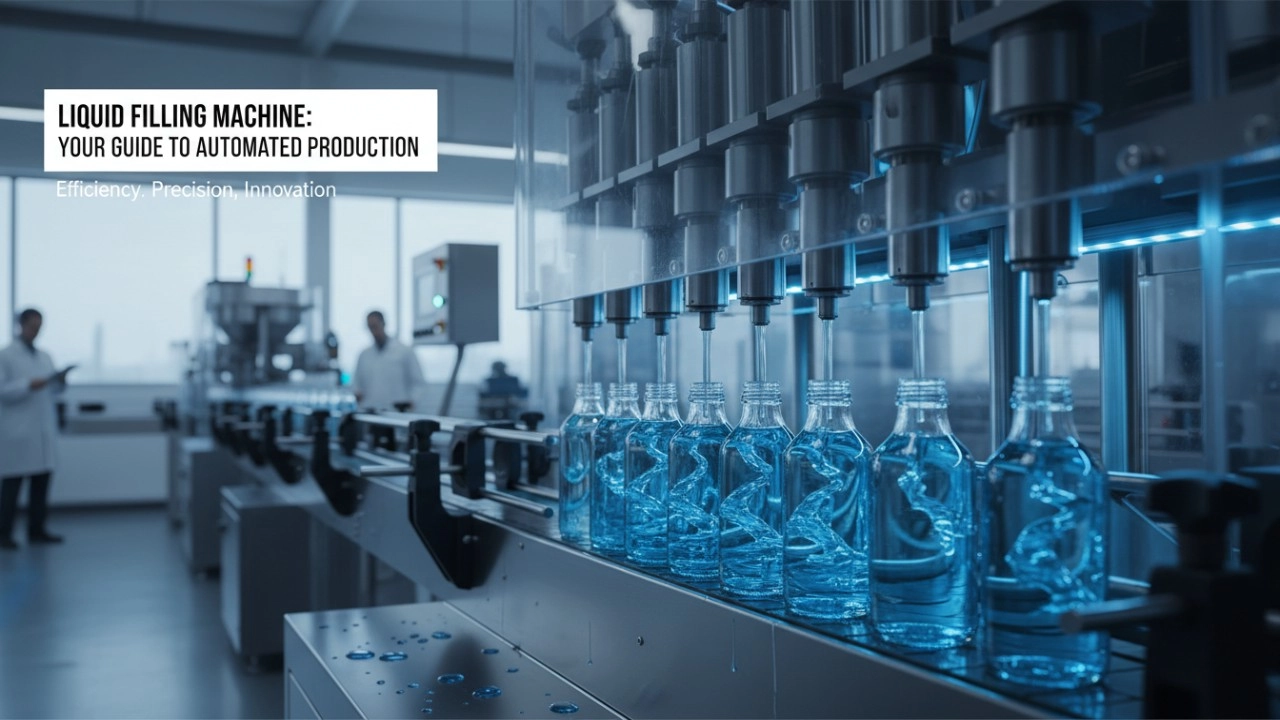
Beyond Automation: How Smart Liquid Filling Machines are Transforming Modern Packaging Lines
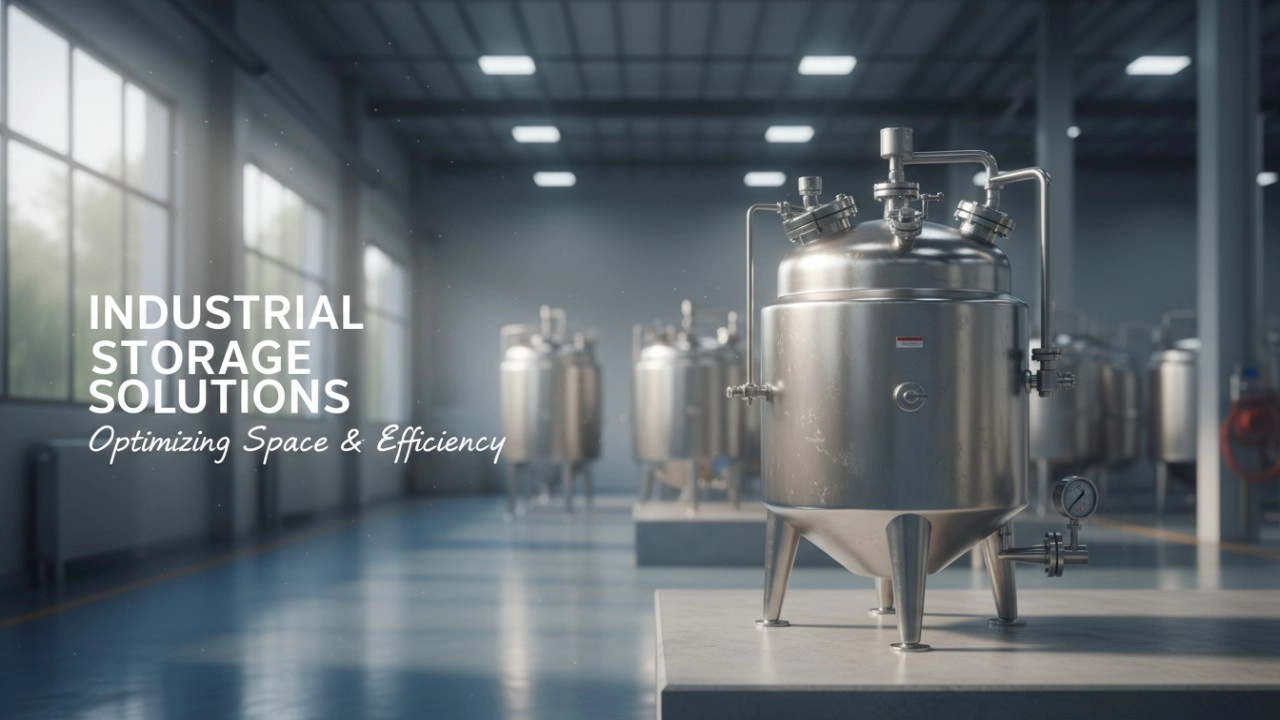
7 Dangerous Mistakes Most Companies Make with Underground Storage Tanks (USTs)
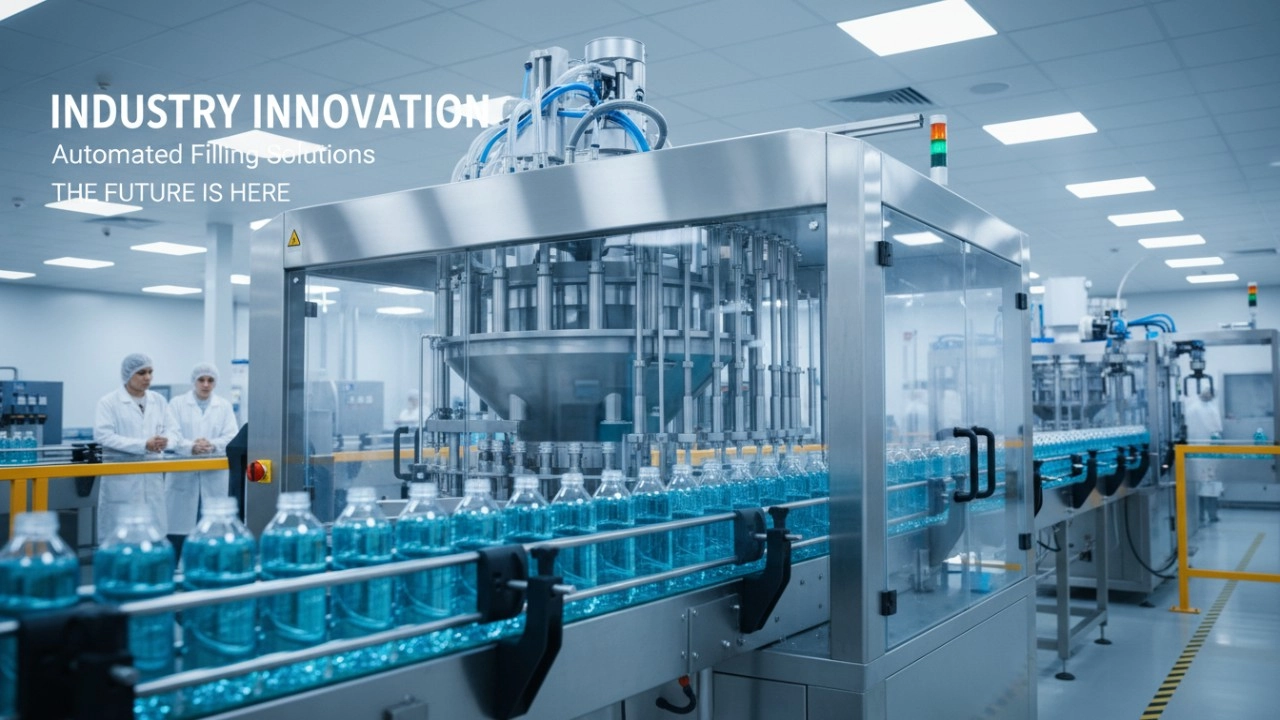
How to Future-Proof Your Production Line: The Latest Innovations in Precision Filling Machinery (2026 Guide)
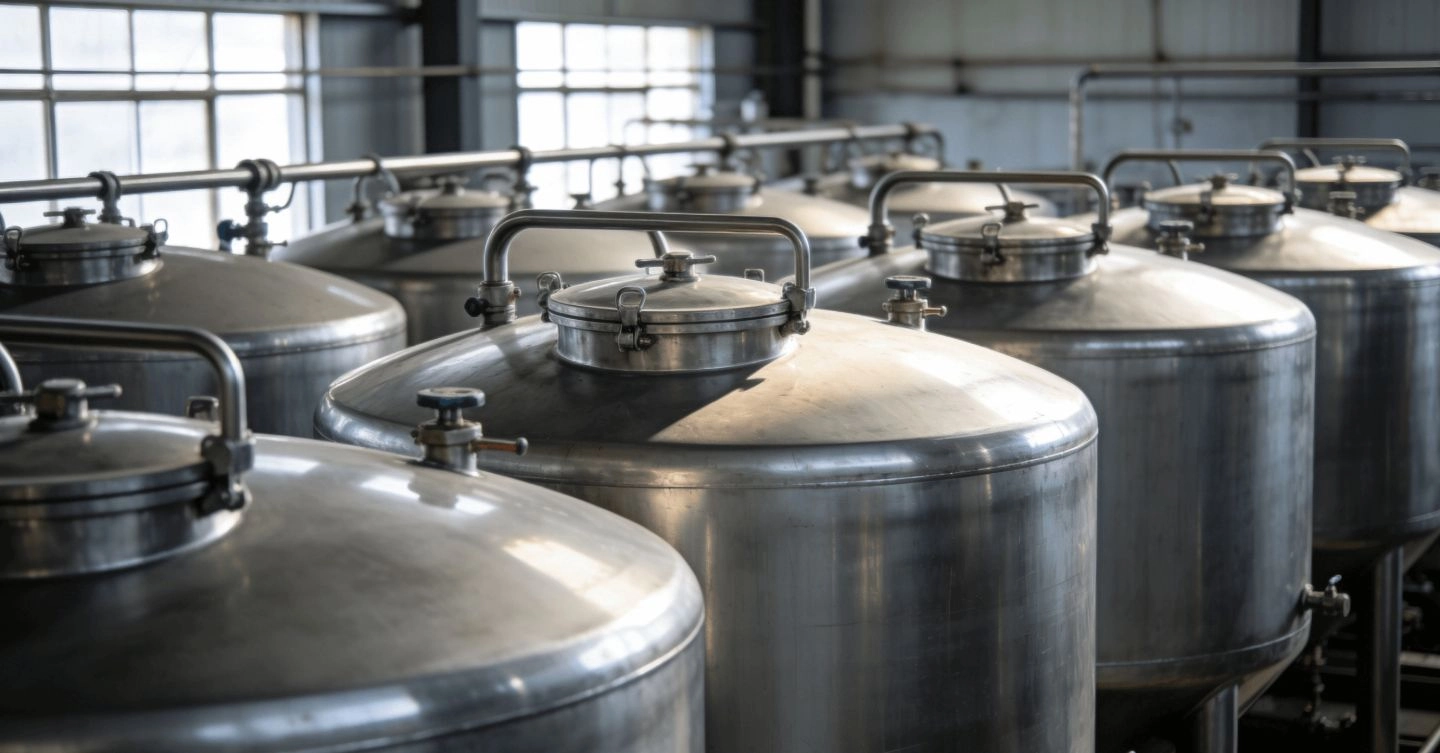
The Definitive Guide to Industrial Storage Tanks 2026: Why Food-Grade Stainless Steel is the Gold Standard
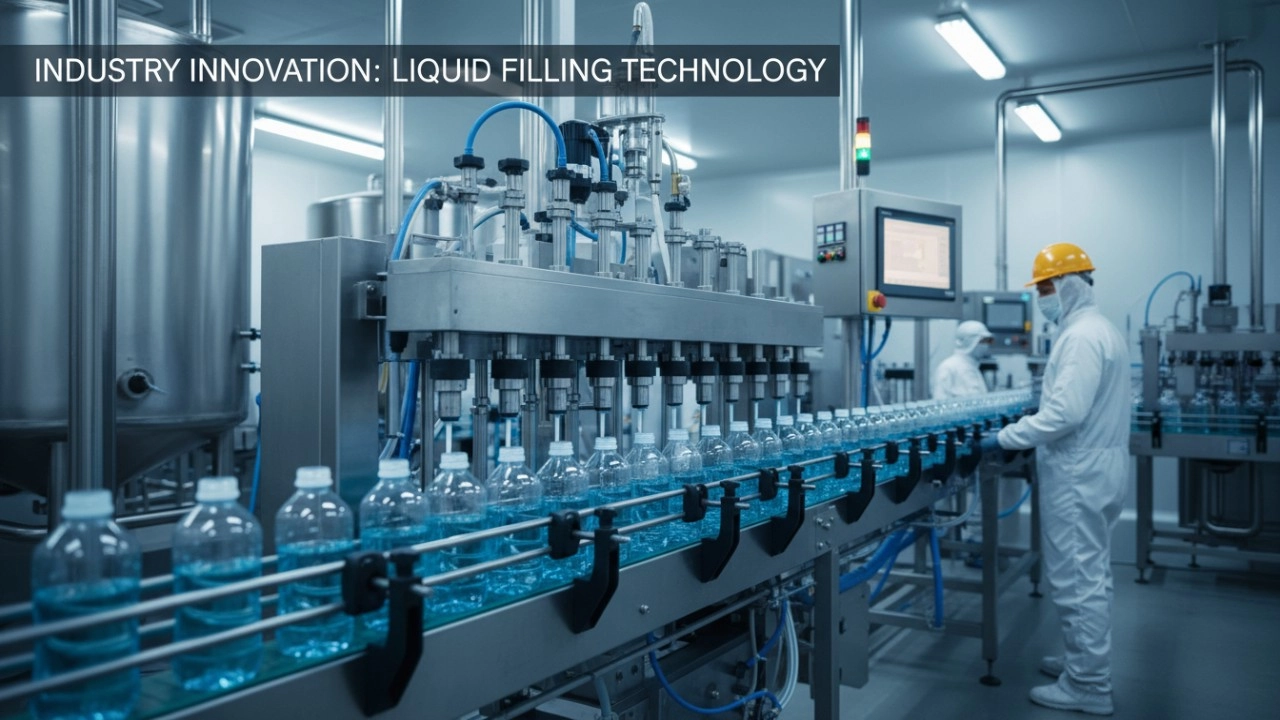
The Ultimate 2026 Guide to Liquid Filling Machines: Types, Technologies, and Strategic Selection
Sachet Packaging Machine
What materials does this plastic bag packing machine can pack?
This packing machinery can pack liquids, cream, paste, sauce, shampoo and similar materials.
Semi automatic powder filling machine
What’s the filling range of the powder dosing machine?
The filling range of the semi auto powder filling machines is: 10-5000g. But we need to customize according to specific weight that clients plan to pack. The screw model will be different.
FAQs
What’s your payment term?
Generally, we take 30% of total amount as down payment, which should be wired by T/T. The 70% balance will be paid by T/T after you inspect your machines before shipment. We also accept letter of credit although it takes more expenses. But our bank should confirm your opening bank’s credit first.
Vertical Filling Machine
How to adjust the filling weight?
There is weight regulator for client to refer. Just adjust several times until you get the accurate filling weight. Remember the reference number, next time directly use for the same materials and bottles.
Cosmetic Making Machine
How to achieve vacuum environment?
The vacuum pump is a device used to generate vacuum, which can draw out the gas in the container to form a vacuum environment. Close wall pipe valves,only open the vacuum pipe pass-by valve,also open the water inlet of vacuum pump,then operate vacuum button. After the the tank get the standard pressure such -0.05Mpa (check the pressure gauge), stop the vacuum operation,close the pass-by valve.
Leave a message
Have any questions or concerns about our products? Please leave us a message here, and our team will get back to you promptly.
 Scan QR Code
Facebook
YouTube
LinkedIn
Whatsapp: +8613434139712
Guangzhou Yuanyang Machinery