





what is homogenizer used for | YUANYANG Guide
What Is Homogenizer Used For?
A homogenizer is a vital industrial mixer used to create uniform and stable mixtures by reducing particle size and distributing substances evenly within liquids or semi-liquids. This process is essential in achieving consistent texture, enhancing stability, and improving the quality of emulsions, suspensions, and dispersions in various industries.
1. What industries commonly use homogenizers?
Homogenizers are widely used across multiple industries including food and beverages, pharmaceuticals, cosmetics, chemicals, and biotechnology. In the food sector, they are used for milk pasteurization, dairy product manufacturing, and improving the texture of sauces and creams. In pharmaceuticals, they ensure uniform drug formulation and improve bioavailability. Cosmetics leverage homogenization for creams and lotions with consistent texture and stability.
2. How does a homogenizer work?
A homogenizer works by forcing a mixture through a narrow gap under high pressure, breaking apart particles and droplets into finer sizes. The mechanical forces involved include high shear, turbulence, and cavitation. This combination leads to the breakdown of fat globules or solid particles, resulting in a homogeneous blend with enhanced physical and chemical stability.
3. What are the benefits of using a homogenizer in industrial mixing?
- Improved product consistency, texture, and appearance
- Enhanced stability and shelf life of emulsions and suspensions
- Increased bioavailability and absorption in pharmaceuticals
- Reduction in particle size for better dispersion
- Energy-efficient and repeatable processing for large-scale production
4. What types of homogenizers are available?
The main types include high-pressure homogenizers, ultrasonic homogenizers, and rotor-stator homogenizers. High-pressure homogenizers are dominant in industrial applications due to their ability to handle large volumes and achieve fine particle size reduction. Ultrasonic homogenizers use acoustic cavitation for mixing smaller batches, while rotor-stator types are common for low- to medium-viscosity products.
5. How to select the right homogenizer for your application?
Selecting the right homogenizer depends on factors such as the type of product, viscosity, required particle size reduction, production volume, and compatibility with materials. For example, dairy or beverage industries typically require high-pressure homogenizers capable of processing large liquid volumes, while biotech applications may prefer ultrasonic types for small batch precision. Consulting with an experienced manufacturer like YUANYANG can ensure optimal equipment selection based on your industry needs.
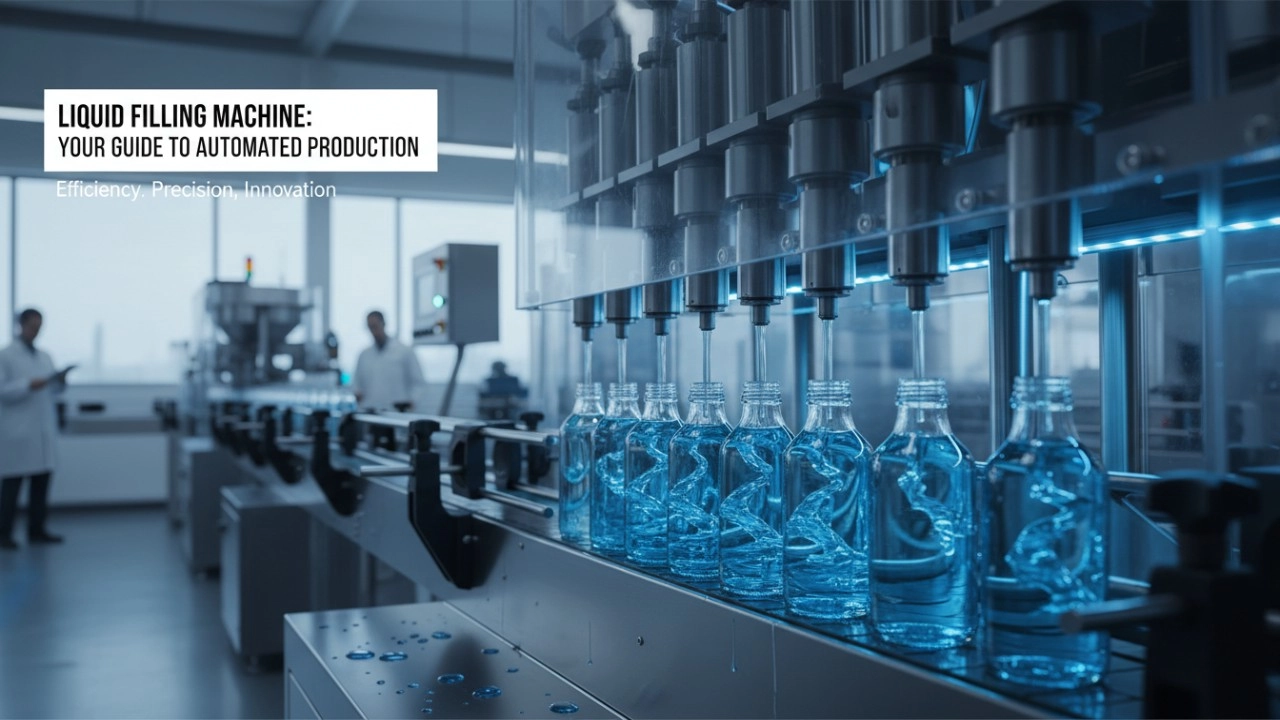
Beyond Automation: How Smart Liquid Filling Machines are Transforming Modern Packaging Lines
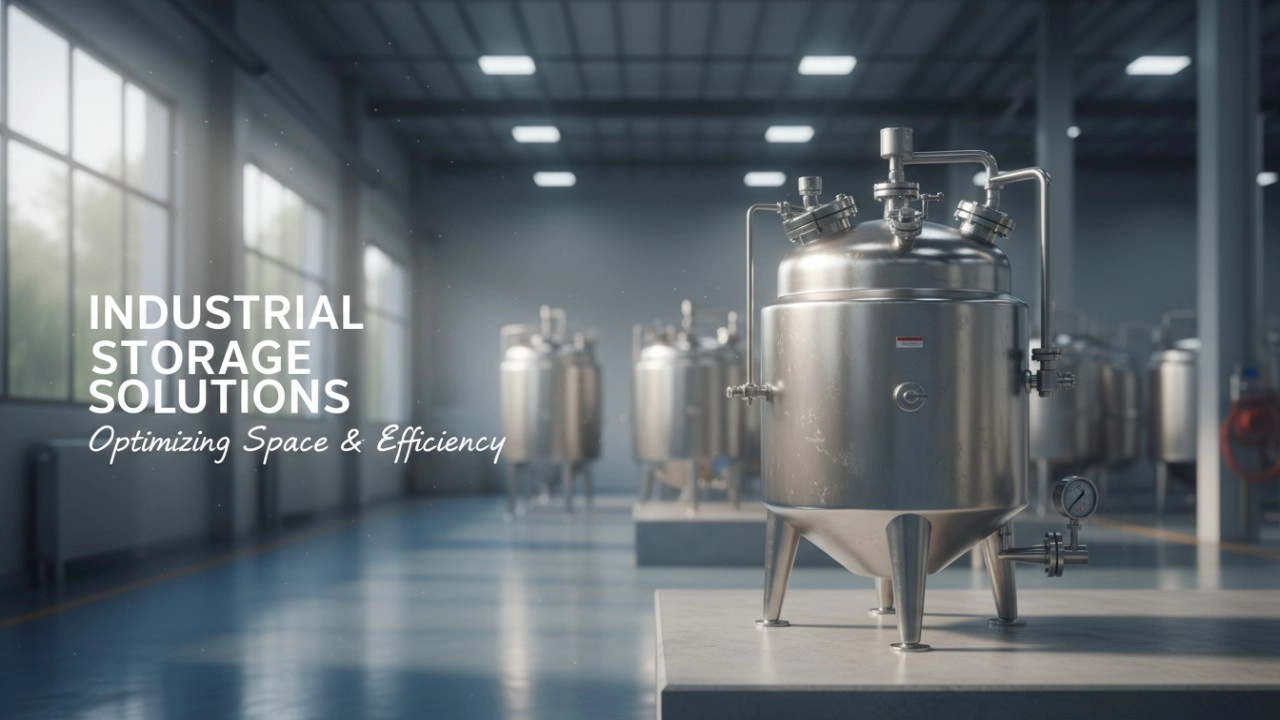
7 Dangerous Mistakes Most Companies Make with Underground Storage Tanks (USTs)
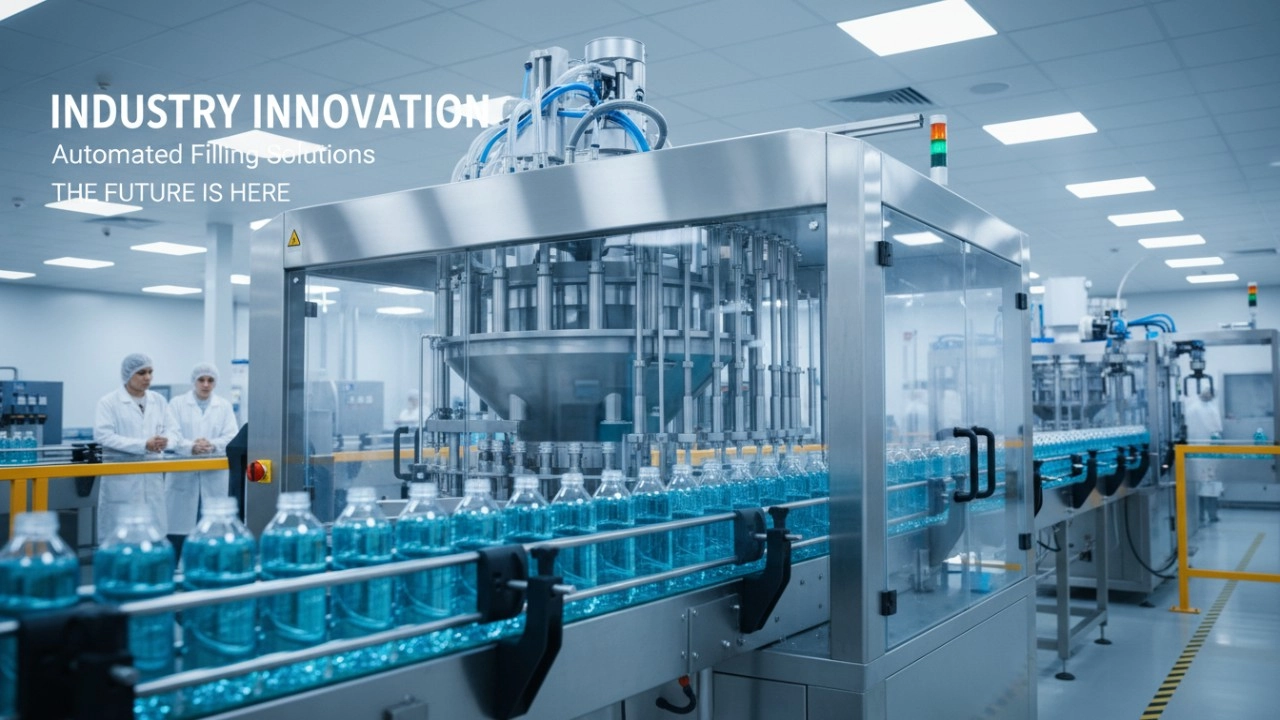
How to Future-Proof Your Production Line: The Latest Innovations in Precision Filling Machinery (2026 Guide)
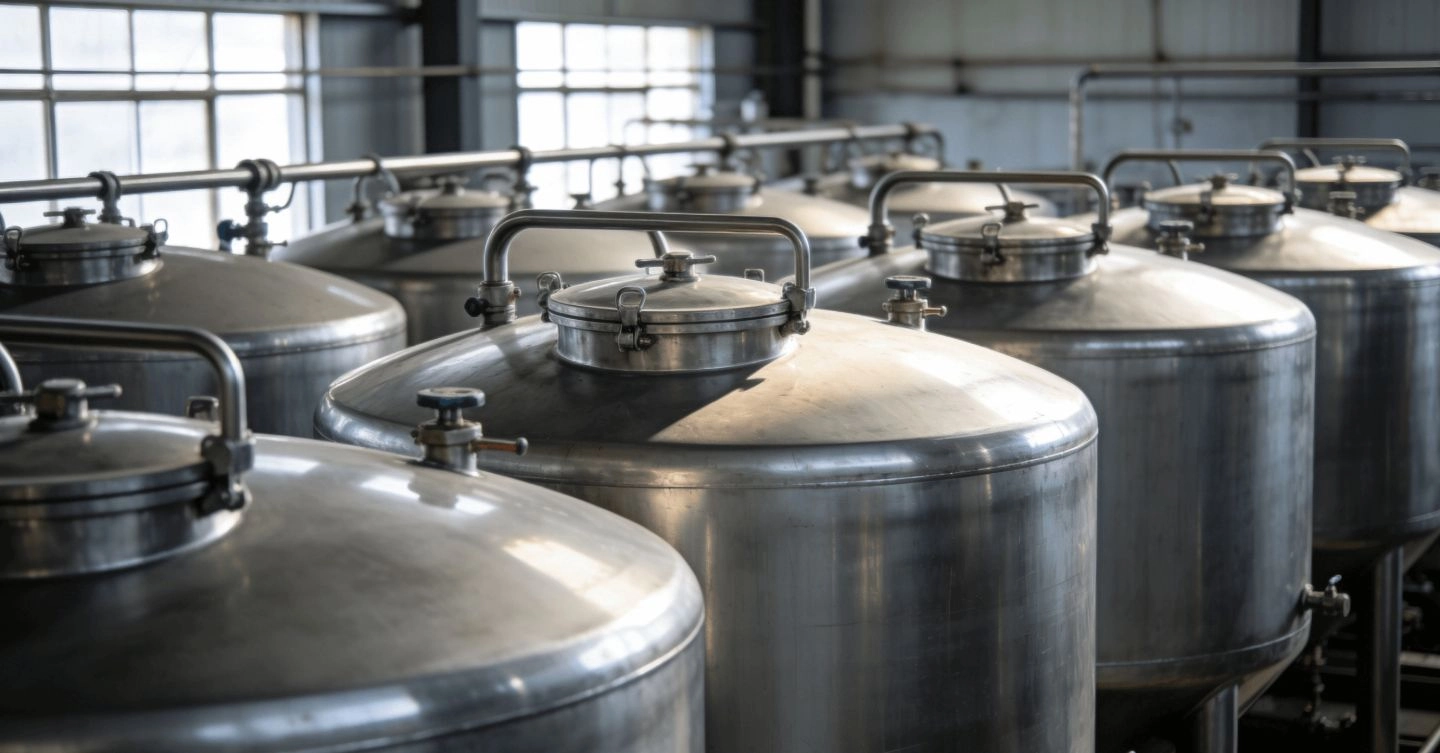
The Definitive Guide to Industrial Storage Tanks 2026: Why Food-Grade Stainless Steel is the Gold Standard
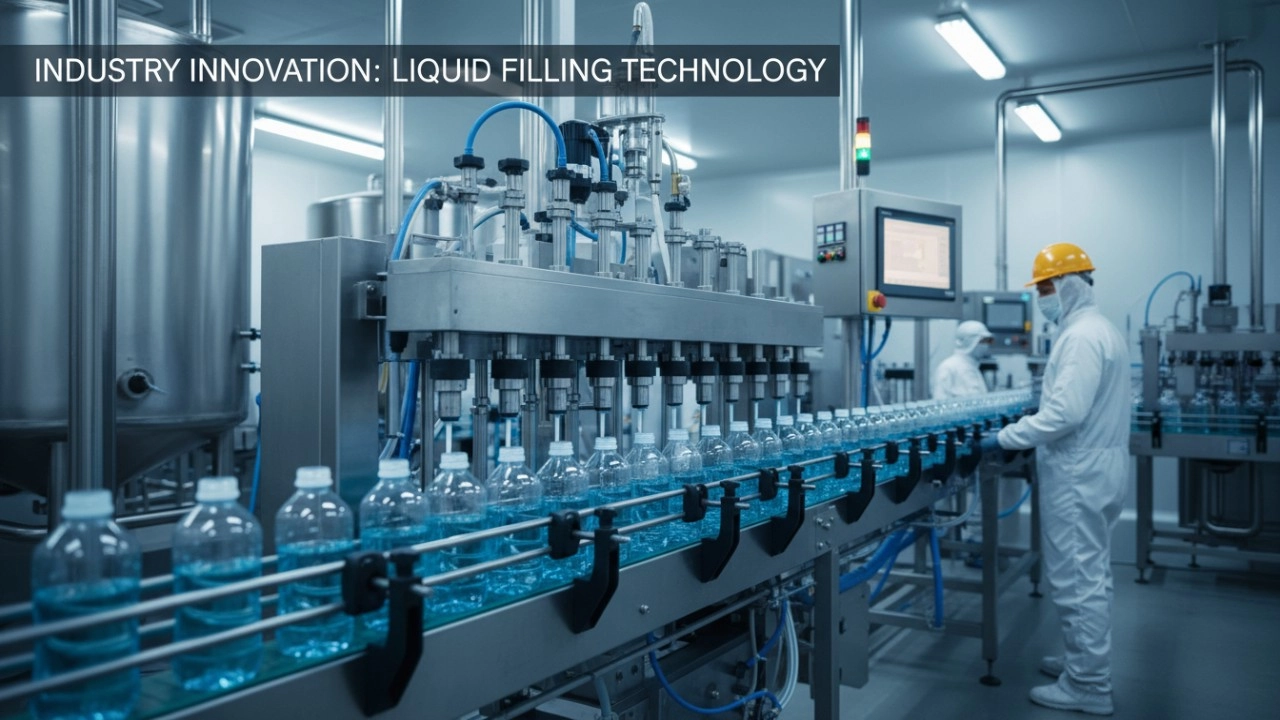
The Ultimate 2026 Guide to Liquid Filling Machines: Types, Technologies, and Strategic Selection
Cosmetic
Can the equipment handle organic or sensitive formulations?
Yes. Our equipment is designed to handle various special formulations, including organic, additive-free, and sensitive formulations, ensuring no contamination or degradation during processing.
Vacuum Emulsifier
What type of homogenizer do you use for this vacuum homogenizer emulsifier?
There are two types of homogenizer, one is with regular standard mechanical sealing type, another is water cooling type. Clients can choose the preferred type according to needs.
Automatic auger feeder machine
What’s the material of the screw feeding machine?
The feeding machine for powder is maid of stainless steel 304, which meet GMP standards.
Ribbon mixer
Can the control panel be customized to be hung on the wall?
Yes, we customize a separated control panel which can be moved and installed on the wall or other places.
Sealed Storage Tank
Is there any handle for easy movement?
Yes, there is handle for each steel tank.
Leave a message
Have any questions or concerns about our products? Please leave us a message here, and our team will get back to you promptly.
 Scan QR Code
Facebook
YouTube
LinkedIn
Whatsapp: +8613434139712
Guangzhou Yuanyang Machinery