





what is the meaning of mixing tank | YUANYANG Guide
What Is the Meaning of Mixing Tank?
A mixing tank is an industrial vessel designed to combine, blend, or homogenize liquids or powders through mechanical agitation. Commonly used in industries like chemical processing, food & beverage, pharmaceuticals, and wastewater treatment, mixing tanks ensure uniformity and consistency of the mixed materials.
1. What Are the Main Types of Mixing Tanks?
Mixing tanks vary based on design and application, including:
- Agitated Mixing Tanks: Equipped with mechanical agitators such as impellers or paddles to ensure thorough mixing.
- Static Mixing Tanks: Rely on fluid motion through internal baffles for mixing without moving parts.
- Pressure Mixing Tanks: Designed to mix under pressure for specialized processes.
2. What Materials Are Used to Construct Mixing Tanks?
Materials depend on the application and chemical compatibility:
- Stainless Steel: Resistant to corrosion and widely used in food, pharmaceutical, and chemical industries.
- Carbon Steel: Often used where corrosion resistance is not critical.
- Plastic or Fiberglass Reinforced Plastic (FRP): Used for corrosive environments or lightweight requirements.
3. How Does a Mixing Tank Work?
A mixing tank works by combining multiple substances using agitation mechanisms that create flow patterns within the tank. Agitators or impellers continuously move materials to promote uniform blending, prevent sedimentation, or induce chemical reactions. The design ensures adequate mixing time and energy efficiency.
4. What Are Typical Applications of Mixing Tanks?
Mixing tanks are essential in:
- Chemical manufacturing for blending reactants
- Pharmaceutical production for preparing solutions and suspensions
- Food and beverage processing for mixing ingredients
- Water and wastewater treatment for homogenous distribution of chemicals
5. How to Select the Right Mixing Tank for Industrial Use?
Factors to consider when selecting a mixing tank include:
- Type and viscosity of materials to be mixed
- Required batch volume and production capacity
- Material compatibility and regulatory requirements
- Mixing intensity and time needed
- Cleaning and maintenance ease
Choosing a suitable mixing tank from experienced manufacturers like YUANYANG ensures optimal performance and durability.
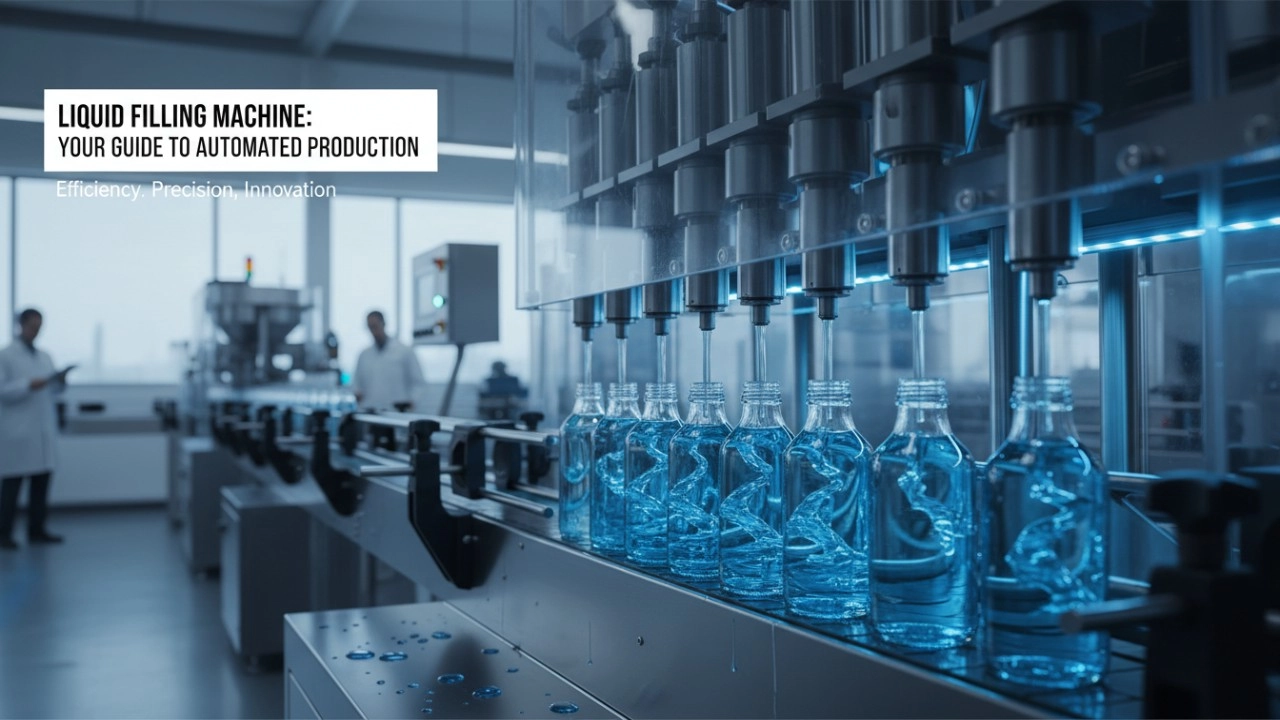
Beyond Automation: How Smart Liquid Filling Machines are Transforming Modern Packaging Lines
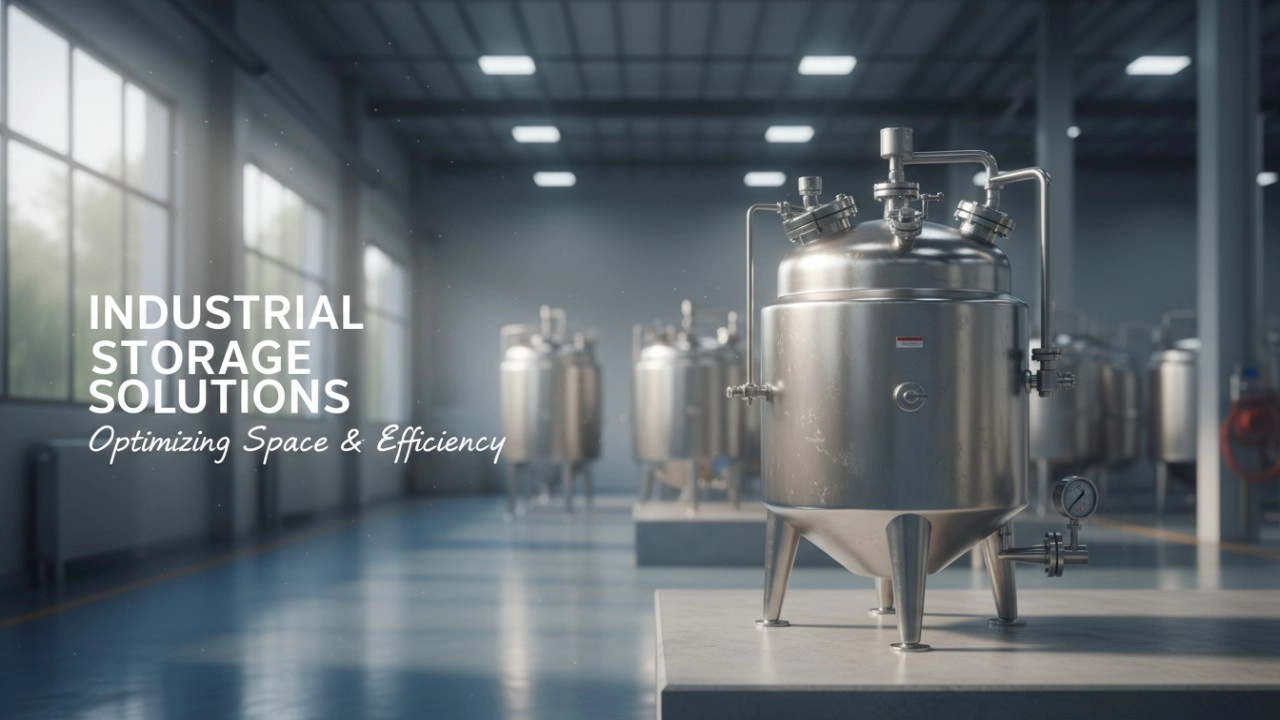
7 Dangerous Mistakes Most Companies Make with Underground Storage Tanks (USTs)
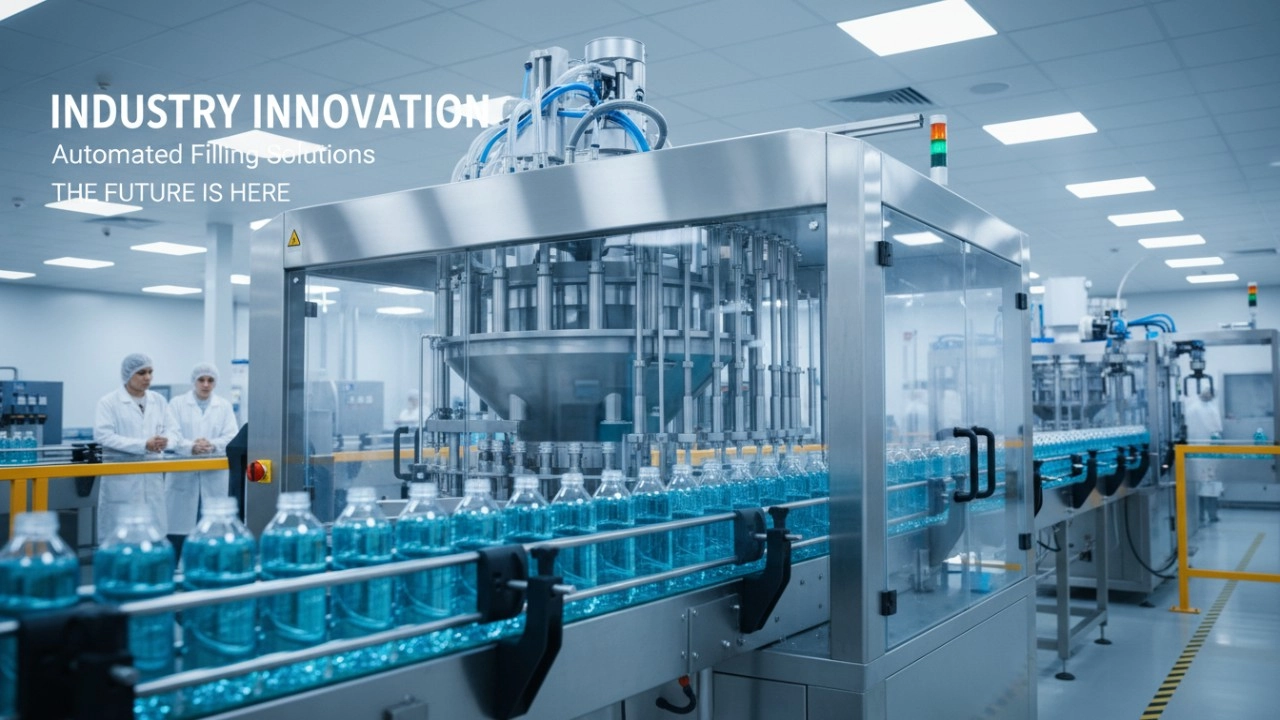
How to Future-Proof Your Production Line: The Latest Innovations in Precision Filling Machinery (2026 Guide)
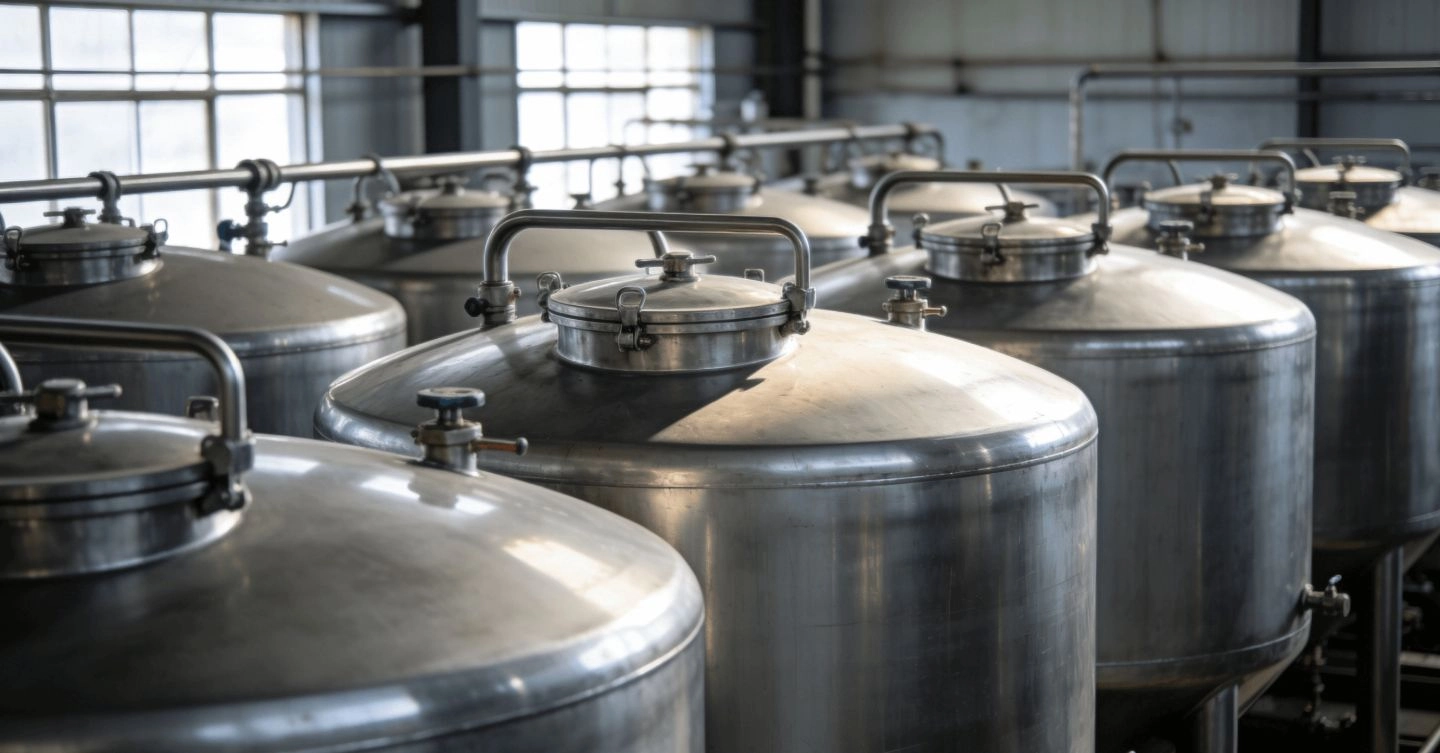
The Definitive Guide to Industrial Storage Tanks 2026: Why Food-Grade Stainless Steel is the Gold Standard
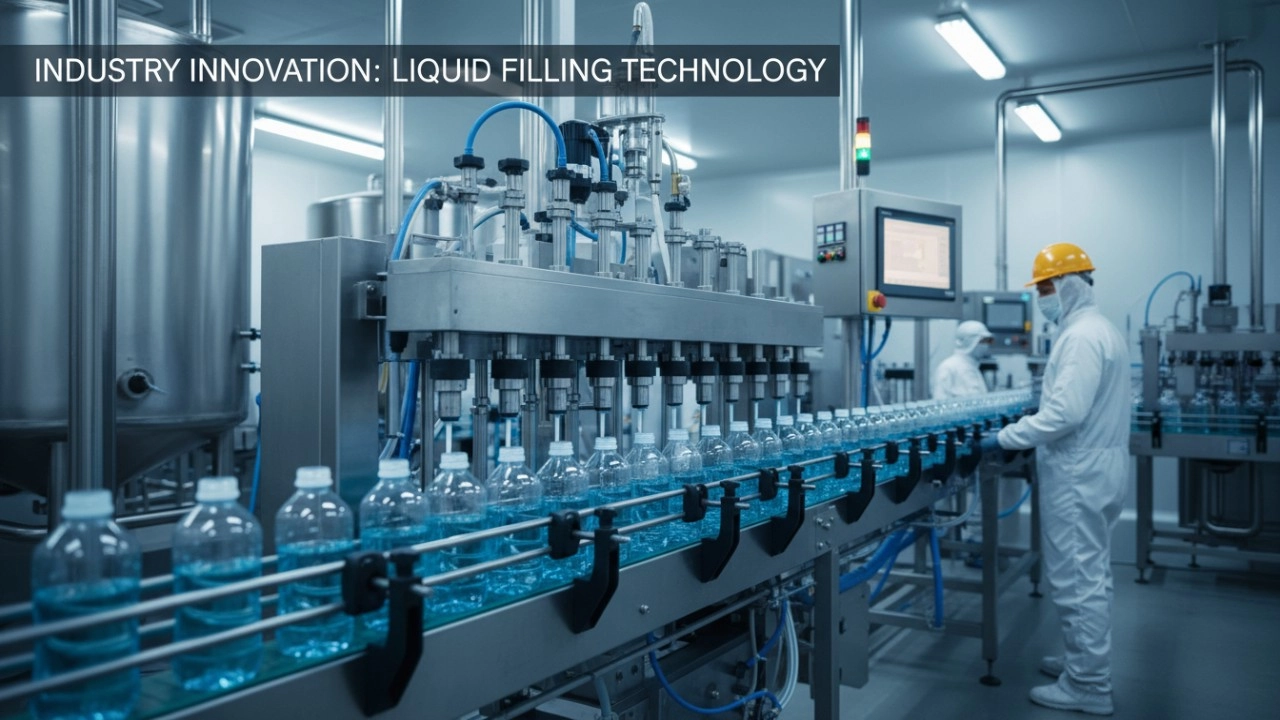
The Ultimate 2026 Guide to Liquid Filling Machines: Types, Technologies, and Strategic Selection
Sachet Packaging Machine for Granules
What’s the sealing method of this type of sugar bag packing machine?
There are common 3 types of sealing method: back sealing, three sides sealing, four sides sealing.
One Stage Water Treatment
What capacity do you supply?
We produce from 500L to 20 Tons according to client’s needs.
Vacuum Emulsifier
What type of homogenizer do you use for this vacuum homogenizer emulsifier?
There are two types of homogenizer, one is with regular standard mechanical sealing type, another is water cooling type. Clients can choose the preferred type according to needs.
Aluminum Foil Sealing Machine
Is the plastic bottle sealing machine also suitable for metal cap?
No, It is not suitable for metal cap, because the heat can’t go through the metal, the sealing won’t be achieved.
What’s the maximum and minimum height can the automatic sealing machine lift up and go down?
The maximum height for the sealing head to the floor is 75-120cm.
Leave a message
Have any questions or concerns about our products? Please leave us a message here, and our team will get back to you promptly.
 Scan QR Code
Facebook
YouTube
LinkedIn
Whatsapp: +8613434139712
Guangzhou Yuanyang Machinery