





how much air pressure in water storage tank | YUANYANG Guide
- How Much Air Pressure in Water Storage Tank: An Industrial Guide
- Why Air Pressure Matters in Water Storage Tanks
- Recommended Air Pressure Ranges
- How to Measure and Adjust Air Pressure
- Key Factors Influencing Pressure Needs
- Industry Standards and Reference Sources
- Common Troubleshooting Tips
- Best Practices for Industrial Mixer Applications
- References:
How Much Air Pressure in Water Storage Tank: An Industrial Guide
Proper air pressure in water storage tanks is crucial for industrial mixers, impacting system efficiency, safety, and maintenance costs. This article explains how much air pressure in water storage tank professionals should maintain, providing quick-reference facts for informed decision-making.
Why Air Pressure Matters in Water Storage Tanks
- Operational Efficiency:
Stable air pressure ensures smooth water delivery to industrial mixers, preventing cavitation and pump overload.
- Safety:
Correct air pressure minimizes the risk of tank rupture, system leaks, and accidental water discharge.
- Equipment Longevity:
Proper pressure reduces wear on pumps and valves, resulting in fewer breakdowns and lower maintenance costs.
Recommended Air Pressure Ranges
- Standard Range:
- Most industrial water storage tanks with diaphragm or bladder have a recommended pre-charge air pressure of 2 psi below the cut-in pump pressure (e.g., for a 40-60 psi system, set tank at 38 psi).
- Reference: U.S. Environmental Protection Agency (EPA), Water System Handbook
- General Guidance:
- For mixer applications, reference the settings of pressure switches or pump cut-in/cut-out values.
- Typical range for industrial uses: 30–50 psi (2.1–3.4 bar), but always verify with your equipment's specifications.
- Too little air: Water delivery is inconsistent and can cause short cycling.
- Too much air: Reduces storage capacity and may cause rapid air absorption/loss.
How to Measure and Adjust Air Pressure
- Steps to Check Pressure:
- Disconnect power to the system and drain the tank until empty.
- Use a calibrated pressure gauge on the tank’s air valve (top side).
- Adjust air pressure using a compressor or by releasing air, aiming for the target value (e.g., 2 psi below cut-in).
- Frequency:
- Check air pressure during routine maintenance, ideally every 3–6 months for industrial setups.
Key Factors Influencing Pressure Needs
- Tank Size and Type:
- Larger or specialized stainless steel tanks may require unique pressure settings.
- Process Requirements:
- High-pressure industrial mixer systems might demand higher or more tightly regulated tank pressures.
- Altitudinal/Environmental Factors:
- Pressure recommendations may change based on elevation and ambient temperature.
Industry Standards and Reference Sources
- ASME (American Society of Mechanical Engineers): Considers safe operating limits for pressurized vessels.
- Manufacturer Guidelines: Always prioritize OEM pressure recommendations for specific tank and mixer models.
- EPA Water System Handbook: Comprehensive recommendations for water tank maintenance.
Common Troubleshooting Tips
- Waterlogged Tank Symptoms:
- Pump cycles on/off frequently or water flow is sporadic.
- Solution: Drain tank and reset air pressure as per guidelines.
- Persistent Low Pressure:
- Could indicate bladder failure or leaks; investigate and repair as needed.
Best Practices for Industrial Mixer Applications
- Document pressure checks and maintenance activities.
- Incorporate air pressure monitoring into digital maintenance logs.
- Train personnel on safety protocols during pressure adjustments.
References:
- U.S. EPA, Water System Handbook: (https://www.epa.gov/ground-water-and-drinking-water)
- ASME Tank Standards: (https://www.asme.org)
For specialized guidance or tank selection, contact YUANYANG—your trusted industrial mixer partner.
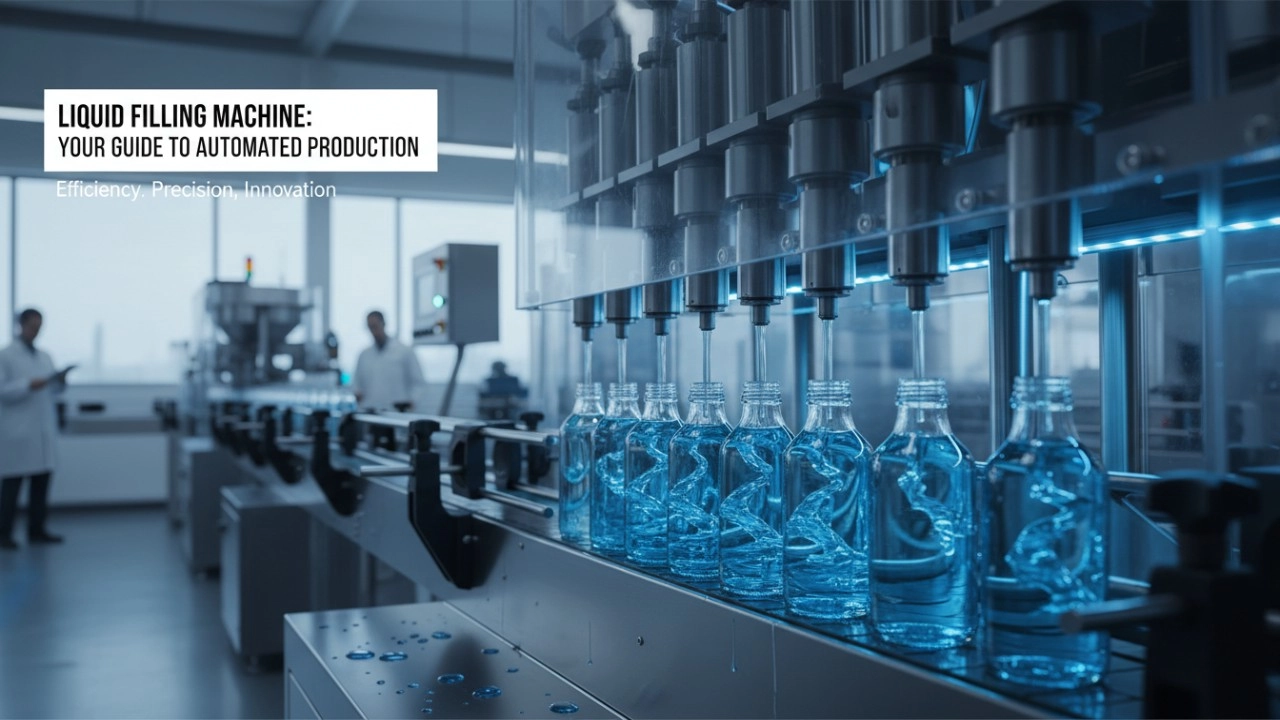
Beyond Automation: How Smart Liquid Filling Machines are Transforming Modern Packaging Lines
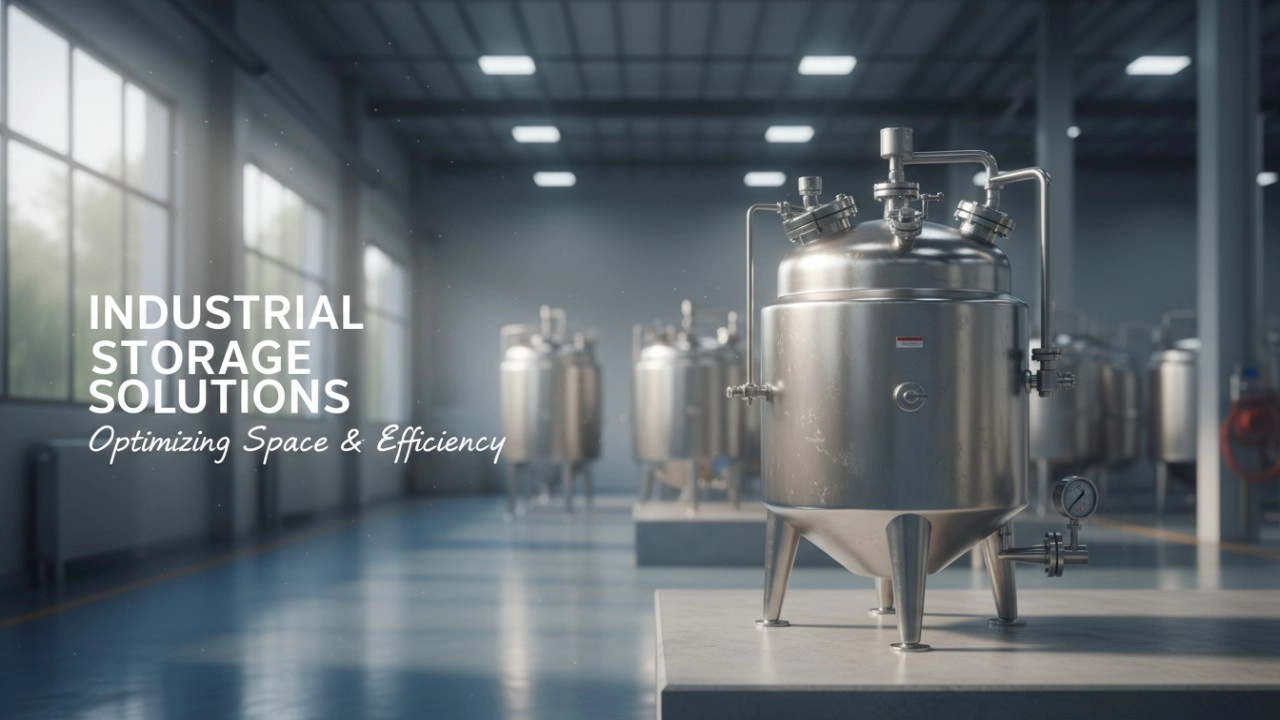
7 Dangerous Mistakes Most Companies Make with Underground Storage Tanks (USTs)
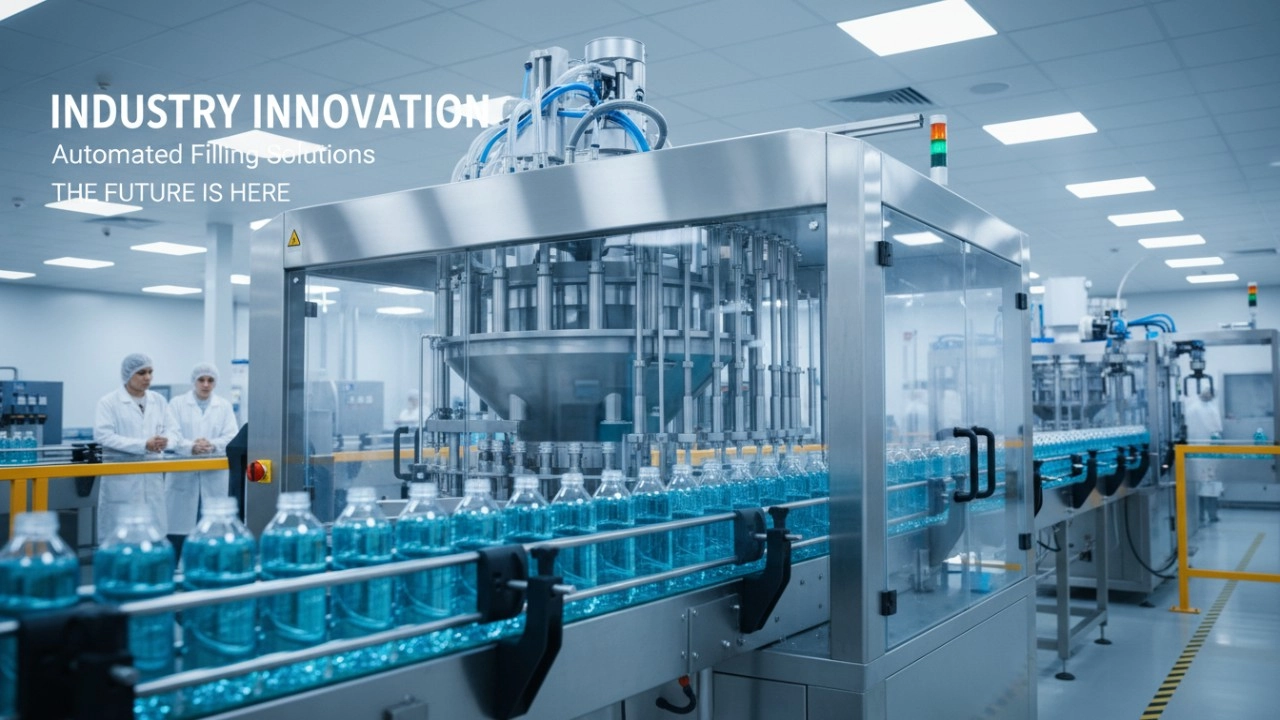
How to Future-Proof Your Production Line: The Latest Innovations in Precision Filling Machinery (2026 Guide)
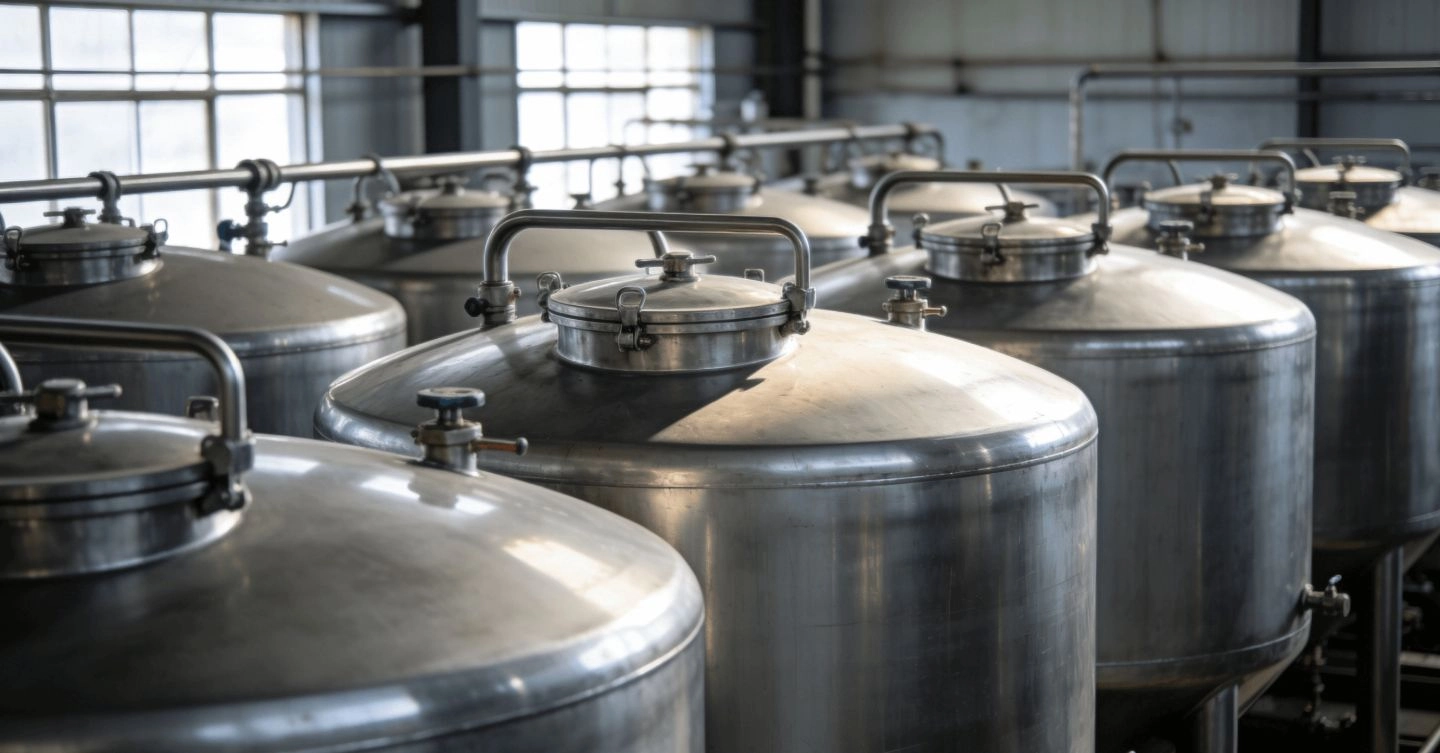
The Definitive Guide to Industrial Storage Tanks 2026: Why Food-Grade Stainless Steel is the Gold Standard
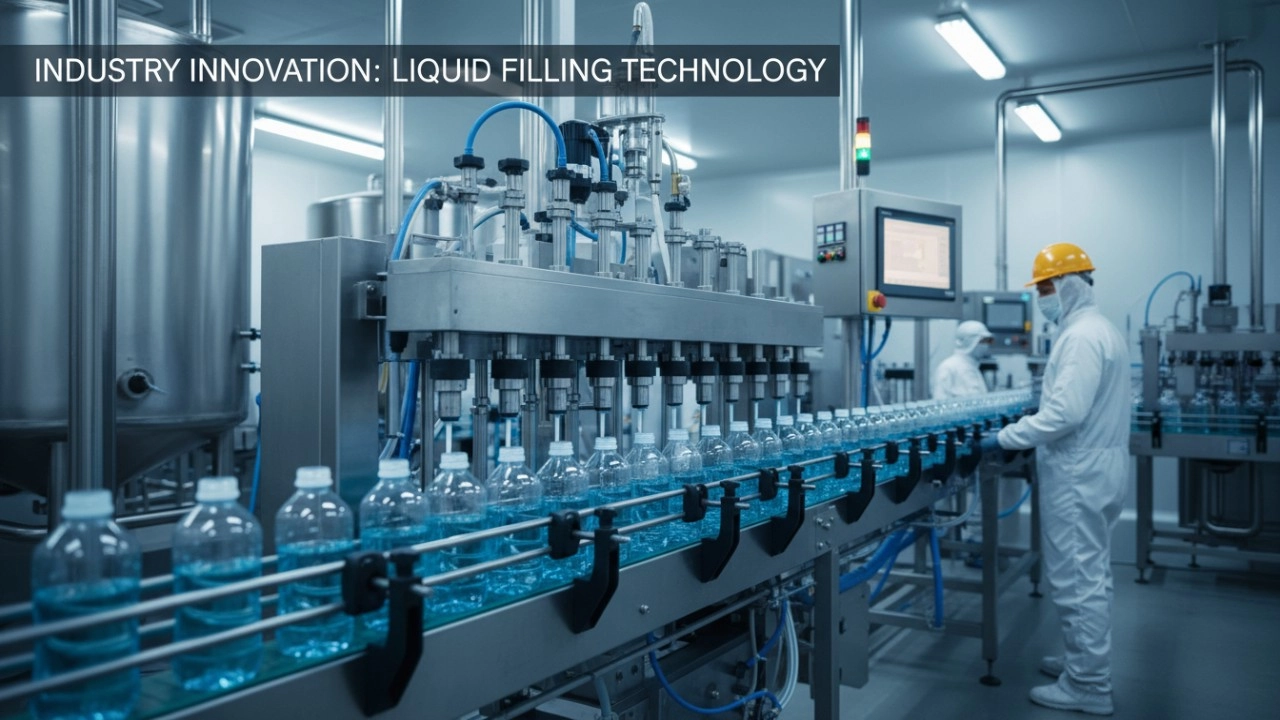
The Ultimate 2026 Guide to Liquid Filling Machines: Types, Technologies, and Strategic Selection
Automatic Servo Motor Capping Machine
Do you also supply rotary tables for bottle sorting and collecting on both sides of the high speed capping machine?
Yes, we supply related machines, not only the bottle sorting machine and bottle collection machine, but also many other filling line machines such as filling machine, labeling machine, date printer.
Homogneizer mixer tank
Can it be used to produce cosmetic cream, lotion?
There are professional cosmetic making machine, which is with vacuum system, and some are also required with water tank and oil tank. It is better to use vacuum type if you produce cosmetic cream and lotion.
Vacuum Emulsifier
What’s frequency converter (VFD) used for this cosmetic emulsifier?
We have 2 brand of converter for clients to choose. The standard converter is Delta, the optional choice is Mitsubishi.
Washing Powder
Does Yuanyang equipment support custom formulas?
Yes, our machines are highly flexible to accommodate various client-specific formulas.
Sealed Storage Tank
Is this storage tank food grade?
Yes, the liquid tank is made of stainless steel 304 or 316L, can store food sauce, mayonnaise, cosmetic cream, lotion, pharmaceutical ointment, other liquids and paste...
Leave a message
Have any questions or concerns about our products? Please leave us a message here, and our team will get back to you promptly.
 Scan QR Code
Facebook
YouTube
LinkedIn
Whatsapp: +8613434139712
Guangzhou Yuanyang Machinery