





how to fix a water storage tank | YUANYANG Guide
How to Fix a Water Storage Tank: An Industrial Mixer Expert Guide
This article guides industrial professionals on how to fix a water storage tank, addressing common malfunctions impacting operational efficiency in industrial mixer settings. Quickly resolving tank issues ensures uptime, safety, and product quality—crucial for industry compliance and performance.
Common Causes of Water Storage Tank Failures
- Corrosion: Steel tanks are vulnerable to rust, especially without proper coatings.
- Seal or Gasket Degradation: Over time, gaskets lose elasticity, causing leaks.
- Physical Damage: Impacts from machinery or debris can crack or dent tanks.
- Improper Mixing Operations: Mismatched mixers can induce stress fractures or leaks.
- Internal Pressure Issues: Unregulated filling or withdrawal can over-pressurize the tank.
Inspection: Diagnosing the Problem
- Visual Examination: Check for rust, cracks, or bulging, especially near welded joints.
- Ultrasonic Thickness Testing: Quantify wall thinning due to corrosion.
- Leak Detection: Observe accumulated water or wet spots under the tank.
- Check Fittings: Inspect all inlets, outlets, and manways for loose connections or visible wear.
*Reference: (https://www.awwa.org/Resources-Tools)*
Step-by-Step Fixes for Water Storage Tanks
Minor Leak Repair
- Clean Area: Remove residue, rust, or scale around the leak.
- Sealant Application: Use food-grade epoxy or polyurethane based on chemical compatibility.
- Clamp or Patch: For small punctures, apply a mechanical patch kit.
- Test for Leaks: Refill slowly and monitor for seepage.
Major Structural Repair
- Drain Tank: Safely empty the tank before repair.
- Welding: For steel tanks, perform weld repairs as per ASME Boiler and Pressure Vessel Code standards.
- Panel Replacement: Swap severely corroded or damaged panels with manufacturer-approved replacements.
- Reapply Coatings: Use AWWA D102-compliant coatings for corrosion protection.
- Restore Mixers: Verify mixer alignment and safe operation before refilling.
Preventive Maintenance Tips
- Routine Inspection: Schedule quarterly checks for early detection.
- Coating Renewal: Inspect protective linings annually; recoat as needed.
- Gasket Upgrades: Use chemicals- and temperature-resistant gasket material.
- Match Mixer to Tank: Consult with mixer manufacturers to prevent vibration or stress-related damage.
- Documentation: Record all repairs and inspections for legal and operational traceability.
*Reference: (https://www.epa.gov/)*
When to Consult a Professional
- Structural Cracks: Engage licensed steel tank repair specialists.
- Persistent Leaks: Recurring leaks may indicate deeper issues requiring expert analysis.
- Mixer-Related Damage: Seek advice from your mixer supplier for integration and compatibility.
Key Takeaways for Industrial Mixer Operators
- Regular inspection and prompt repairs safeguard both tank integrity and mixer performance.
- Always prioritize compliance with industry standards (e.g., AWWA, ASME).
- Partner with trusted brands like YUANYANG for reliable tank-mixer system advice and support.
For more solutions on how to fix a water storage tank in industrial mixer environments, consult YUANYANG or your local tank repair specialist.
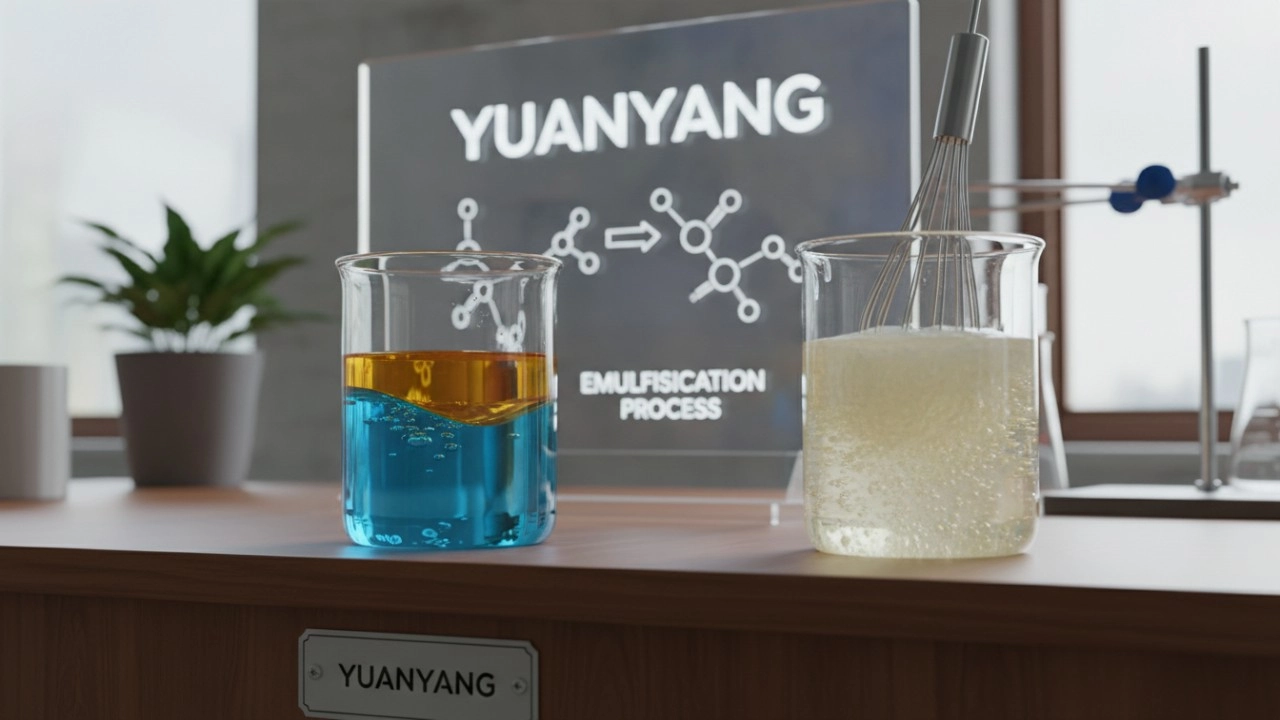
Why Don't Oil and Water Mix? The Ultimate Guide to Polarity and Emulsification Science (2026)
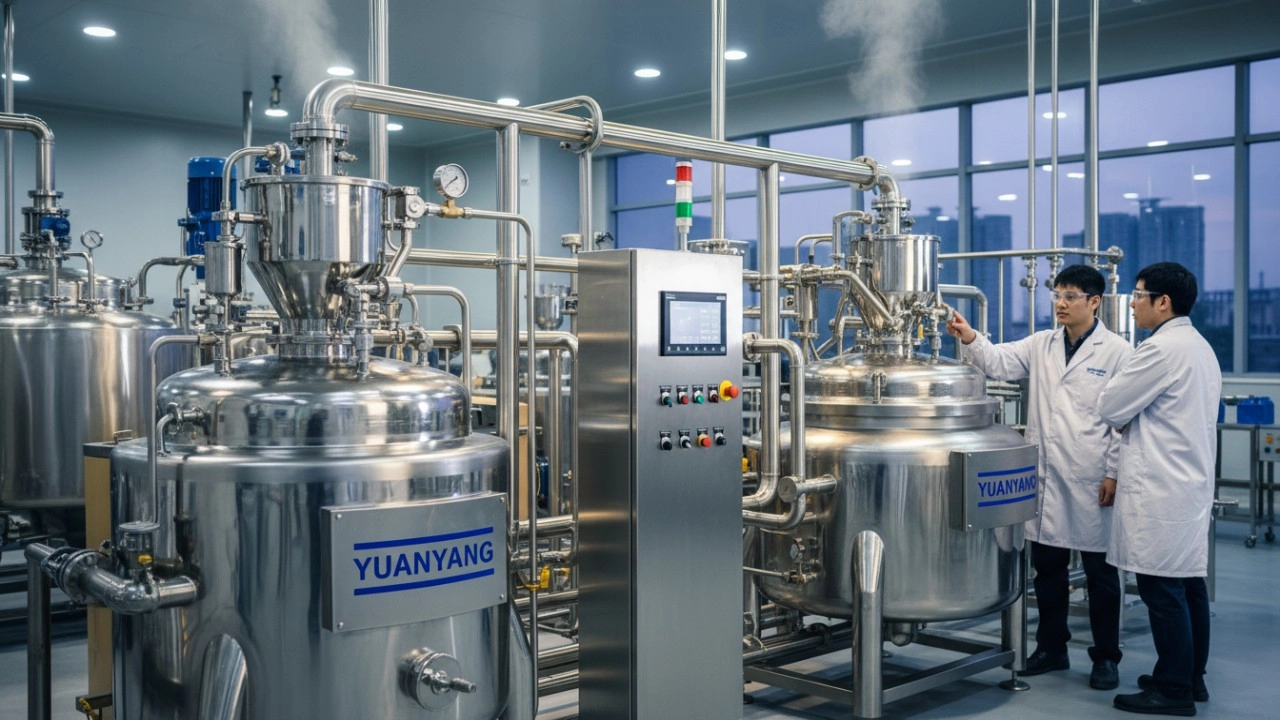
How Emulsification Actually Happens in Industrial Mixing Systems (2026 Guide)
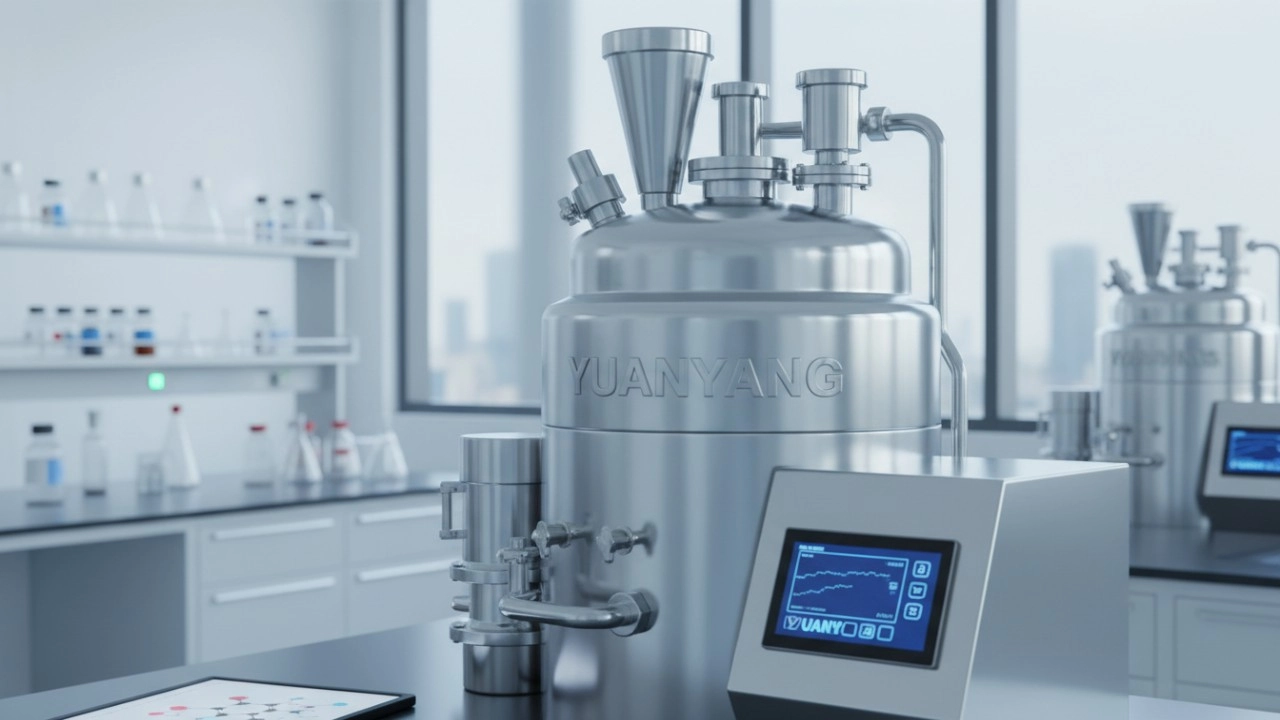
Understanding Vacuum Emulsifying Mixers as a System: From Process Logic to Production Outcomes
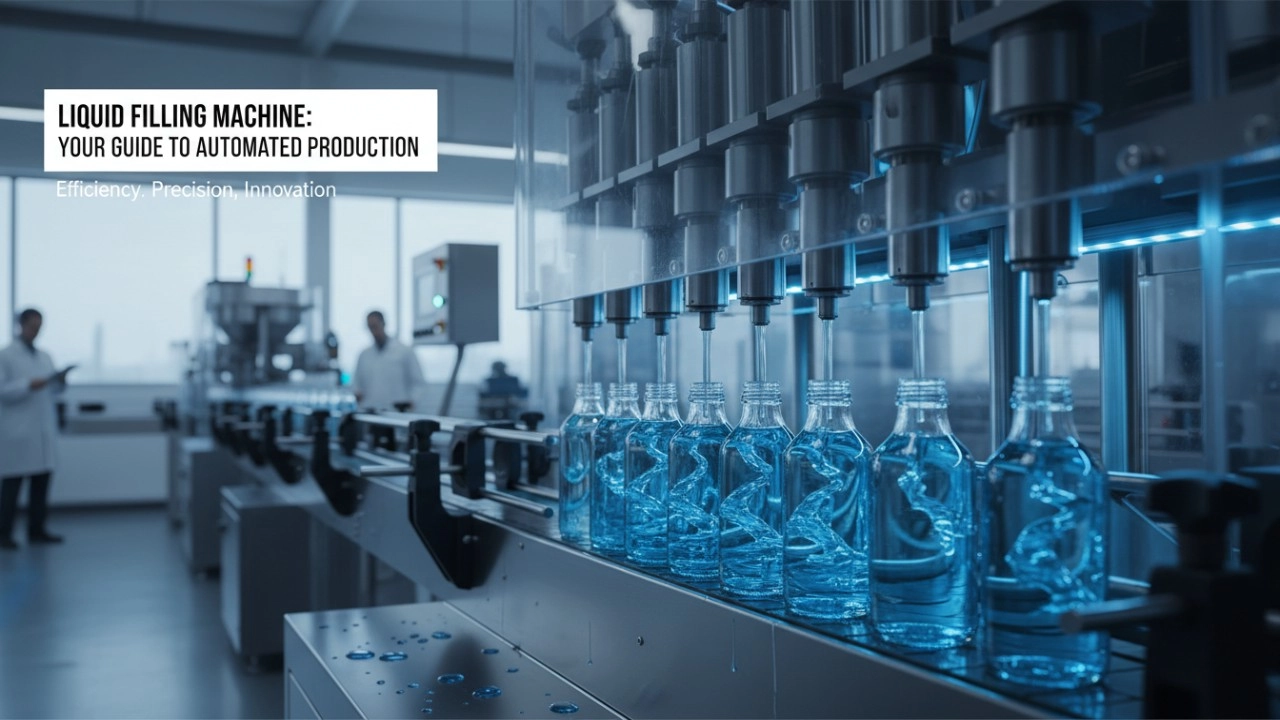
Beyond Automation: How Smart Liquid Filling Machines are Transforming Modern Packaging Lines
7 Dangerous Mistakes Most Companies Make with Underground Storage Tanks (USTs)
Automatic Round Bottle Labeling Machine
Can this sticker labeling machine be suitable for glass bottles?
Yes, this round bottle sticker labeling machine is suitable for sticking labels on glass bottles.
Vibrating sieving machine
Can you add more layer to filter different sizes for the industrial shaker machine?
Yes, we can customize 1-5 layers according to needs.
Water Cooling Induction Sealer
Can the induction sealing machine lift up and down?
Yes, there is handle wheel to adjust the height of sealing head according to different bottle height.
Cosmetic
Can the equipment handle organic or sensitive formulations?
Yes. Our equipment is designed to handle various special formulations, including organic, additive-free, and sensitive formulations, ensuring no contamination or degradation during processing.
Homogneizer mixer tank
What product can it produce?
The liquid mixer with homogenizer is mainly used for the production of liquid soap, shampoo, laundry detergent, shower gel, hand wash, sauce, ketchup, dish washing soap,body wash...
Leave a message
Have any questions or concerns about our products? Please leave us a message here, and our team will get back to you promptly.
 Scan QR Code
Facebook
YouTube
LinkedIn
Whatsapp: +8613434139712
Guangzhou Yuanyang Machinery