





how to use plastic bag sealing machine | YUANYANG Guide
- How to Use Plastic Bag Sealing Machine: Step-by-Step Guidance for Industrial Mixer Professionals
- Understanding Plastic Bag Sealing Machines
- Benefits of Proper Machine Use
- Selecting the Right Sealing Machine
- Pre-Operation Safety Checks
- Preparing Bags for Sealing
- Step-by-Step Operating Procedure
- Maintenance and Quality Assurance
- Compliance and Best Practices
- Authoritative Sources
- SEO Elements
How to Use Plastic Bag Sealing Machine: Step-by-Step Guidance for Industrial Mixer Professionals
Choosing and operating the right plastic bag sealing machine is crucial for industrial mixer operations, ensuring product safety and efficiency. This article details how to use a plastic bag sealing machine, addressing common pain points like improper seals, contamination risks, and production delays.
Understanding Plastic Bag Sealing Machines
- Definition: Machines designed to effectively seal plastic bags, preserving product integrity during storage and transport.
- Application: Essential in packaging bulk powders, granules, and blended materials from industrial mixers.
- Types: Includes impulse sealers, continuous band sealers, and vacuum sealers.
Benefits of Proper Machine Use
- Minimizes contamination by creating airtight seals ((https://www.fda.gov)).
- Prevents material loss during handling and shipment.
- Improves shelf-life of packaged goods.
- Enhances operational speed and output quality.
Selecting the Right Sealing Machine
- Material Compatibility: Ensure the machine matches bag thickness and material (e.g., LDPE, PP).
- Volume Capacity: Choose a model suited for your daily output.
- Seal Width & Strength: Match specifications to the weight of industrial-mixed products.
Pre-Operation Safety Checks
- Inspect machine for wear, electrical integrity, and cleanliness.
- Confirm emergency stops are functional.
- Check for proper ventilation when sealing volatile or powdered mixes ((https://www.osha.gov)).
Preparing Bags for Sealing
- Fill bags with appropriate product volume from mixers, avoiding overfilling.
- Flatten the bag’s opening to remove wrinkles.
- Align product below the seal area for consistent results.
Step-by-Step Operating Procedure
1. Turn On & Preheat:
- Power up the machine and allow sufficient preheat time (per manufacturer’s guide).
2. Insert Bag:
- Position the bag’s open edge within the sealer jaws or conveyor.
3. Adjust Settings:
- Set temperature and sealing time according to bag material and thickness.
4. Engage Sealing:
- Impulse sealers: Press handle down.
- Band/vacuum sealers: Feed bag into machine entrance.
5. Remove & Inspect:
- Let the seal cool, then check for uniformity and strength.
6. Troubleshoot Common Issues:
- Weak seal: Increase temperature or dwell time.
- Melted/burnt seal: Lower the temperature.
Maintenance and Quality Assurance
- Clean sealing surfaces regularly to avoid residue buildup.
- Replace worn Teflon strips or heating elements as needed.
- Perform routine test seals with sample bags before starting large batches.
- Record maintenance and inspection logs.
Compliance and Best Practices
- Adhere to company and industry SOPs.
- Calibrate sealing equipment quarterly.
- Train staff regularly to ensure safe and effective use.
Authoritative Sources
- FDA, Good Manufacturing Practice (GMP) Guidance: (https://www.fda.gov/food/guidanceregulation/guidancedocumentsregulatoryinformation/ucm070642)
- OSHA Packaging and Processing Safety: (https://www.osha.gov/packaging-and-processing)
Summary Bullet Points:
- Plastic bag sealing machines are vital for industrial mixer packaging.
- Correct use boosts product safety, quality, and compliance.
- Routine maintenance and operator training ensure reliable, consistent seals.
SEO Elements
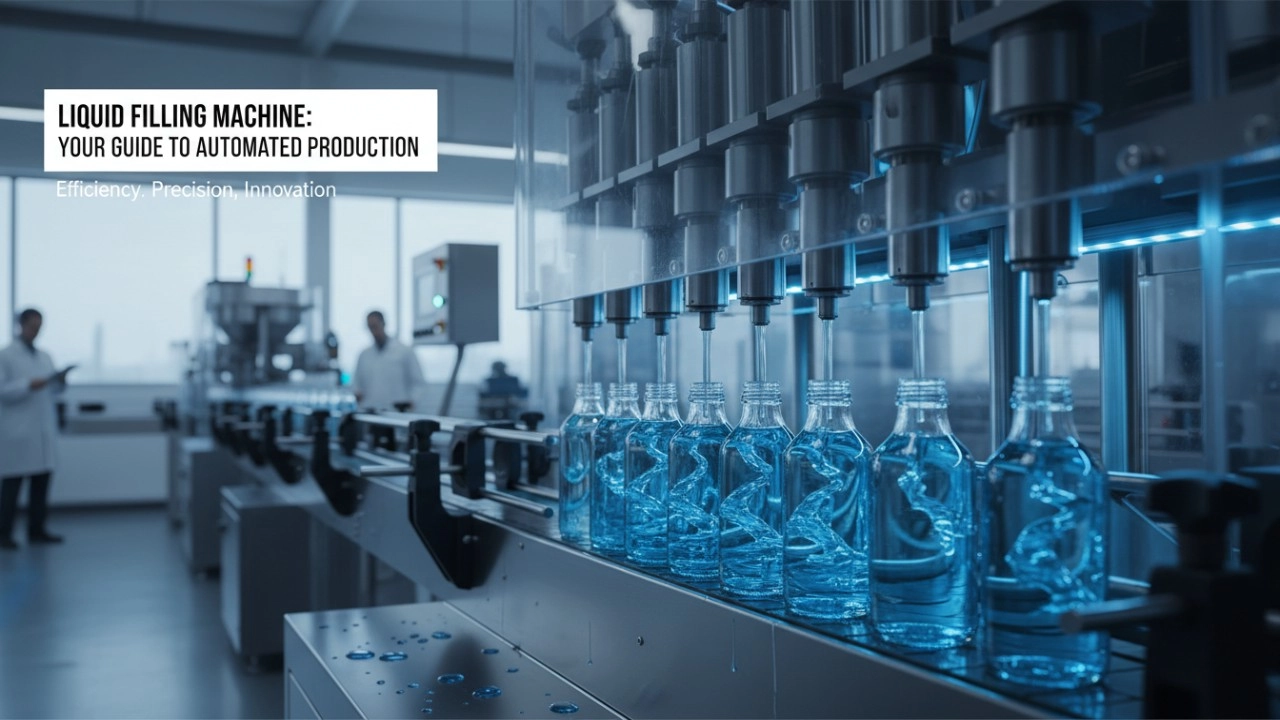
Beyond Automation: How Smart Liquid Filling Machines are Transforming Modern Packaging Lines
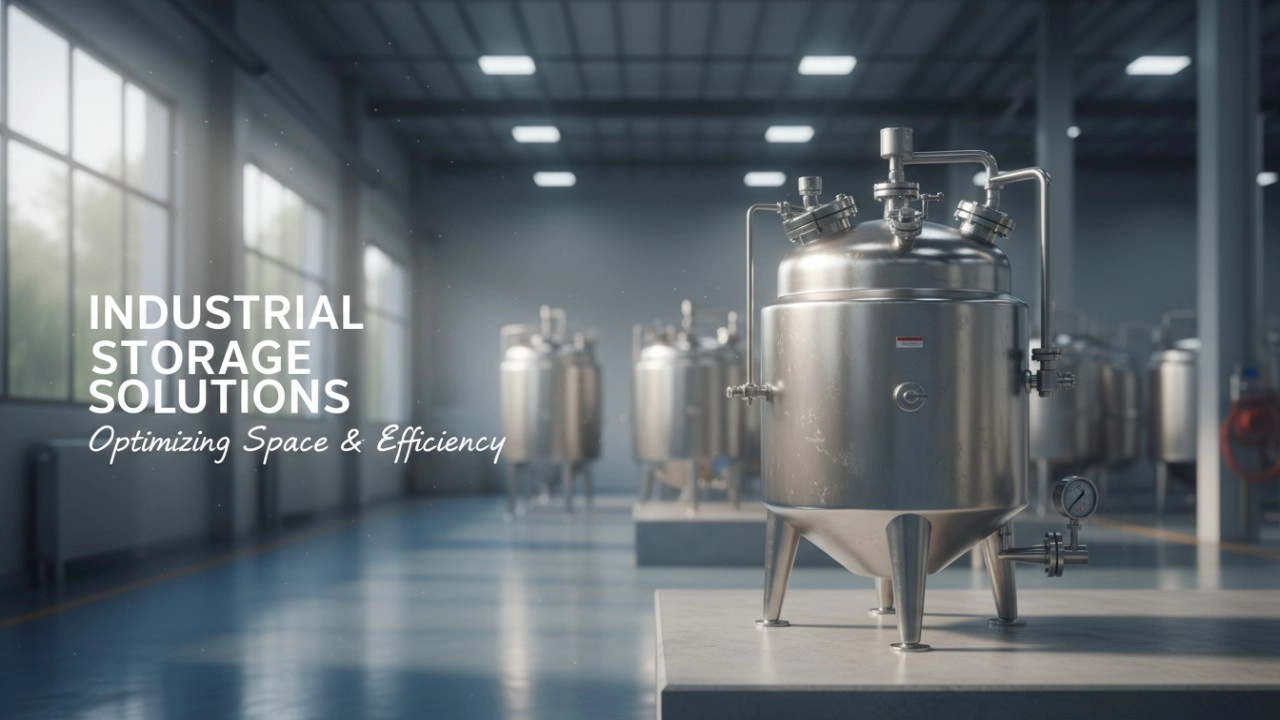
7 Dangerous Mistakes Most Companies Make with Underground Storage Tanks (USTs)
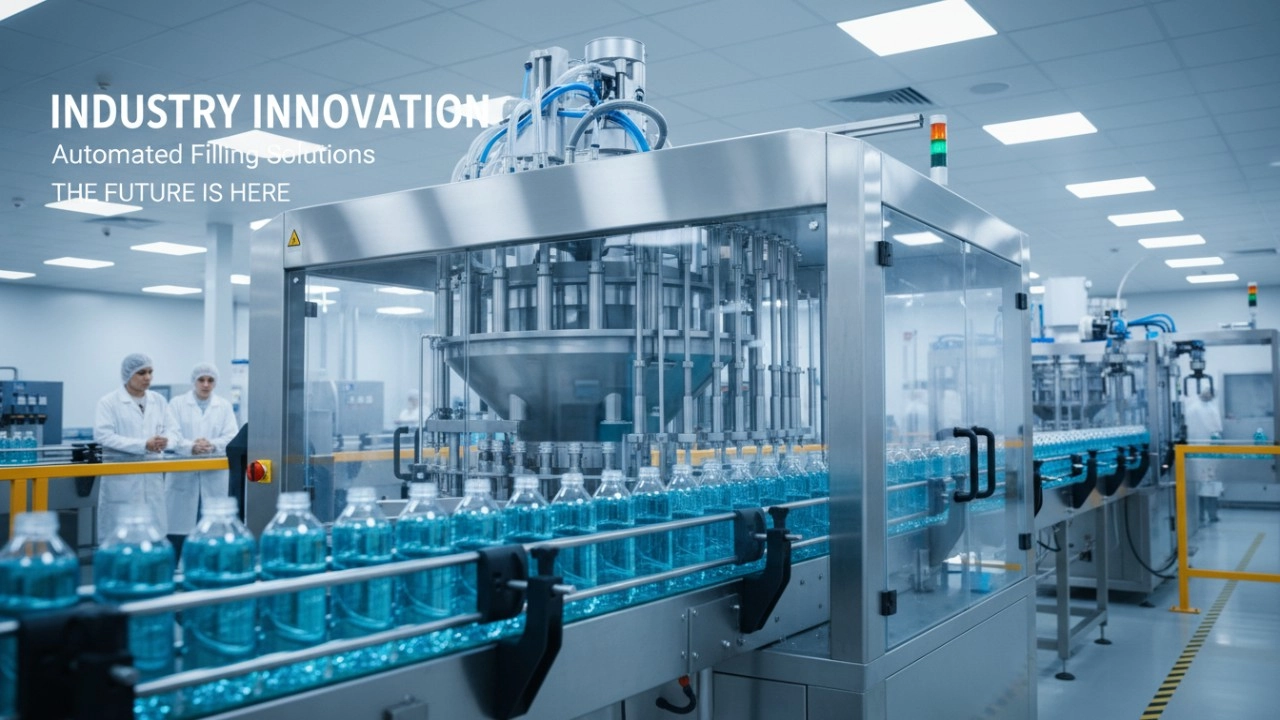
How to Future-Proof Your Production Line: The Latest Innovations in Precision Filling Machinery (2026 Guide)
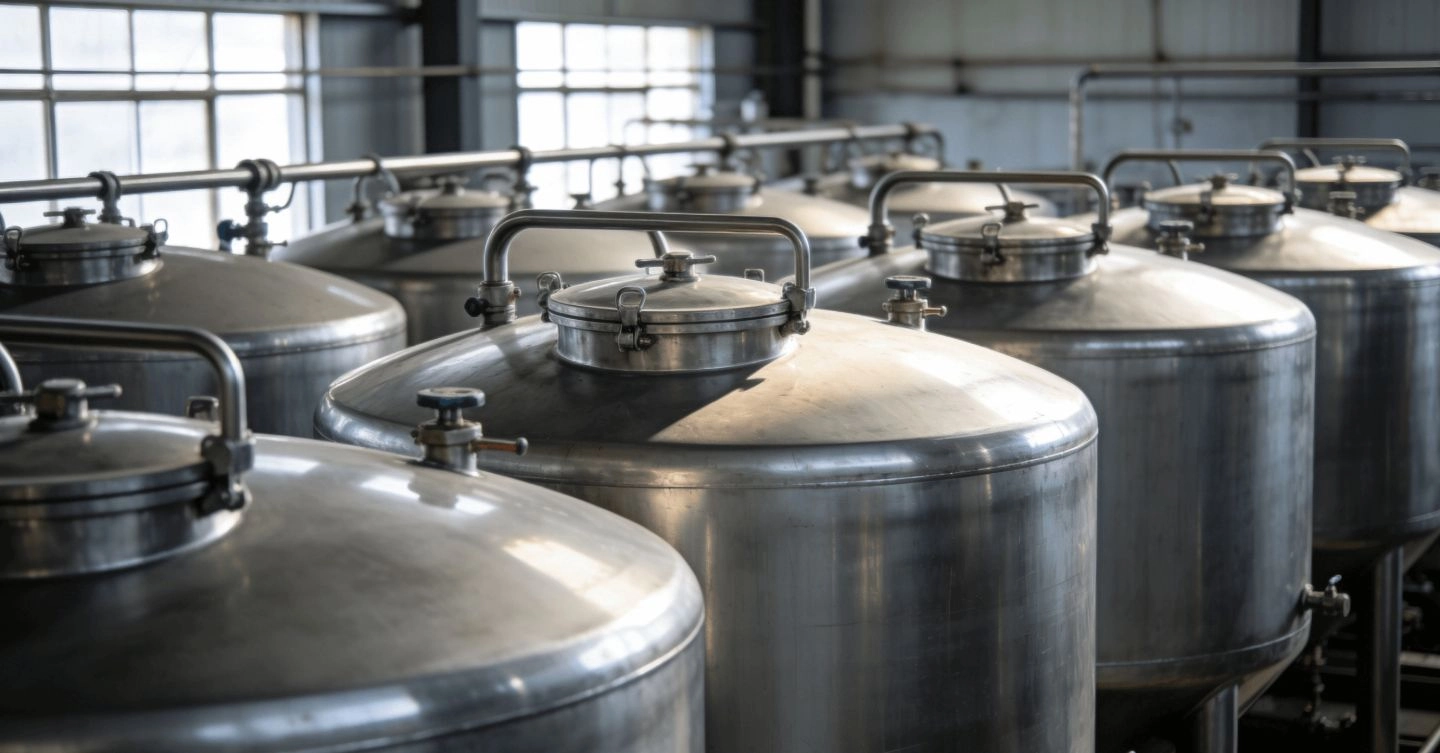
The Definitive Guide to Industrial Storage Tanks 2026: Why Food-Grade Stainless Steel is the Gold Standard
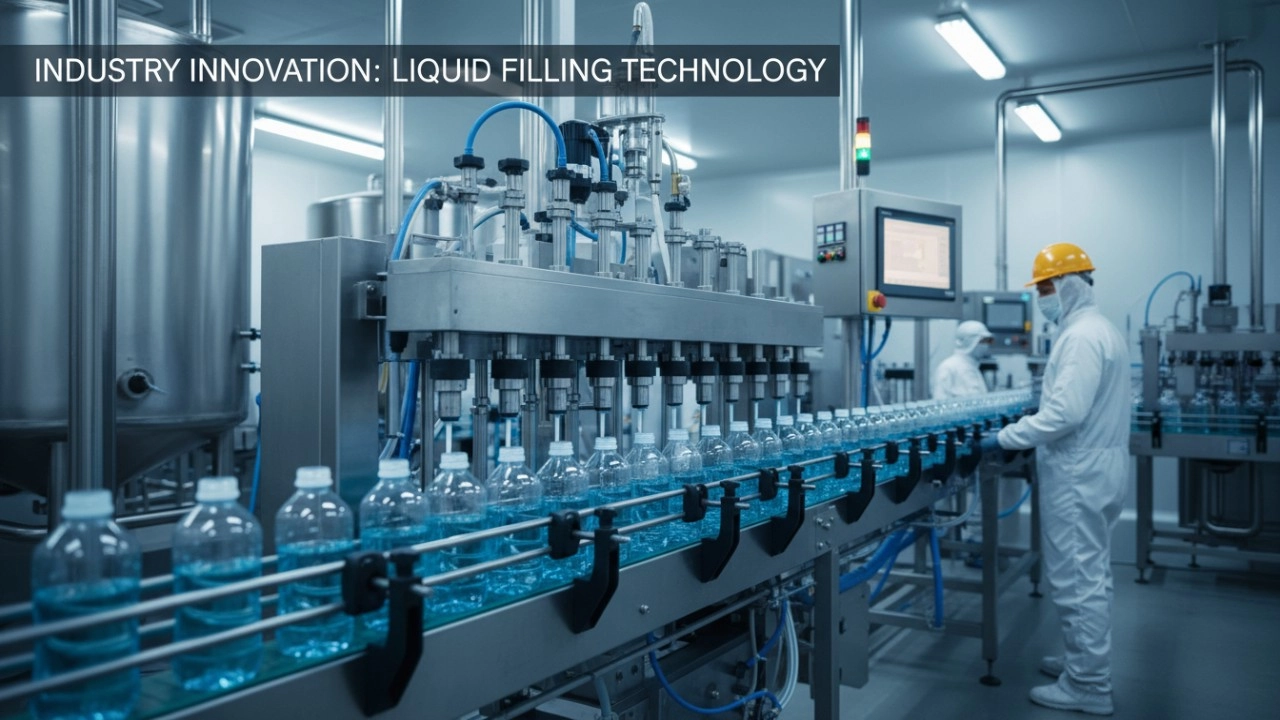
The Ultimate 2026 Guide to Liquid Filling Machines: Types, Technologies, and Strategic Selection
Automatic auger filling machine
Is conveyor equipped together with the filling machine for powder?
Yes, the automatic powder filler machine is equipped with conveyor, which can be connected with other machines such as bottle sorting tables, capping machine, labeling machine and so on.
Industries
Can the equipment handle various materials?
Yes, our equipment can handle a wide range of materials, including liquids, powders, pastes, and high-viscosity substances.
Single Layer Agitator Tank
The power supply in my country is different, can you customize?
Yes, the power supply will be customized according to country. Clients should confirm with us before production.
Vacuum Emulsifier
What type of homogenizer do you use for this vacuum homogenizer emulsifier?
There are two types of homogenizer, one is with regular standard mechanical sealing type, another is water cooling type. Clients can choose the preferred type according to needs.
Melting Tank
What’s the maximum temperature the melting pot can get?
The tank is with electric heater, add water to conduct heat through jacket layer. Therefore the maximum temperature is 100°C.
Leave a message
Have any questions or concerns about our products? Please leave us a message here, and our team will get back to you promptly.
 Scan QR Code
Facebook
YouTube
LinkedIn
Whatsapp: +8613434139712
Guangzhou Yuanyang Machinery