





how big chocolate melting tank | YUANYANG Guide
- How Big Should a Chocolate Melting Tank Be?
- What factors determine the optimal size of a chocolate melting tank?
- What are the common capacities for industrial chocolate melting tanks?
- How do I calculate the right tank size for my chocolate production line?
- Does the tank size affect the melting and mixing performance?
- Are custom size chocolate melting tanks available for unique requirements?
How Big Should a Chocolate Melting Tank Be?
What factors determine the optimal size of a chocolate melting tank?
The ideal size of a chocolate melting tank depends on daily production needs, type of chocolate, available factory space, and desired melting speed. Large-scale production lines require bigger tanks, while smaller businesses may benefit from compact models.
What are the common capacities for industrial chocolate melting tanks?
Common capacities for industrial chocolate melting tanks range from 50 liters to over 2000 liters. Small artisan setups often use 50-200L tanks, medium factories prefer 300-1000L, and major production facilities may need tanks as large as 2000L or more.
How do I calculate the right tank size for my chocolate production line?
Calculate your tank size by estimating daily chocolate consumption, peak demand, and batch intervals. Multiply daily output by a safety factor (usually 1.2–1.5) to ensure adequate capacity and to account for downtime and refilling cycles.
Does the tank size affect the melting and mixing performance?
Yes, oversized tanks may result in inefficient heating and longer melting times, while undersized tanks require frequent refilling. Proper sizing ensures even heat distribution, efficient mixing, and consistent chocolate quality.
Are custom size chocolate melting tanks available for unique requirements?
Absolutely. Leading manufacturers like YUANYANG offer custom chocolate melting tank solutions tailored to specific space constraints, batch sizes, or process integration needs—ensuring ideal performance for each unique production environment.
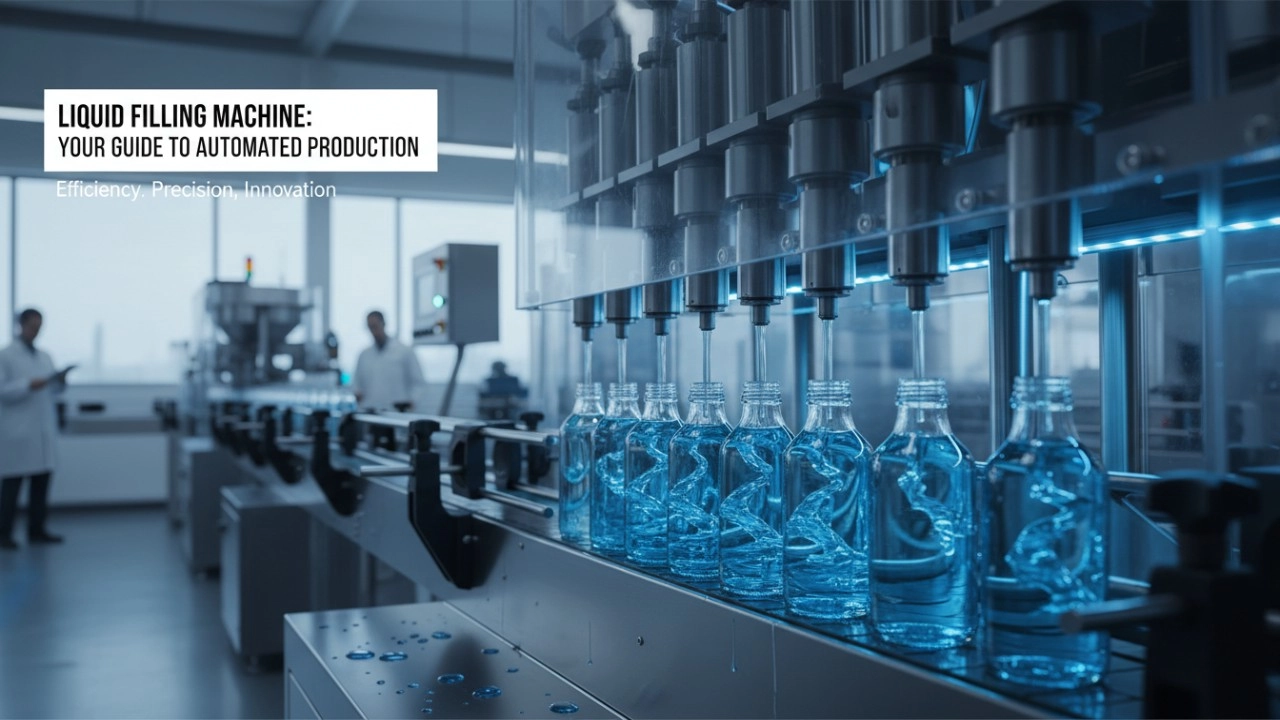
Beyond Automation: How Smart Liquid Filling Machines are Transforming Modern Packaging Lines
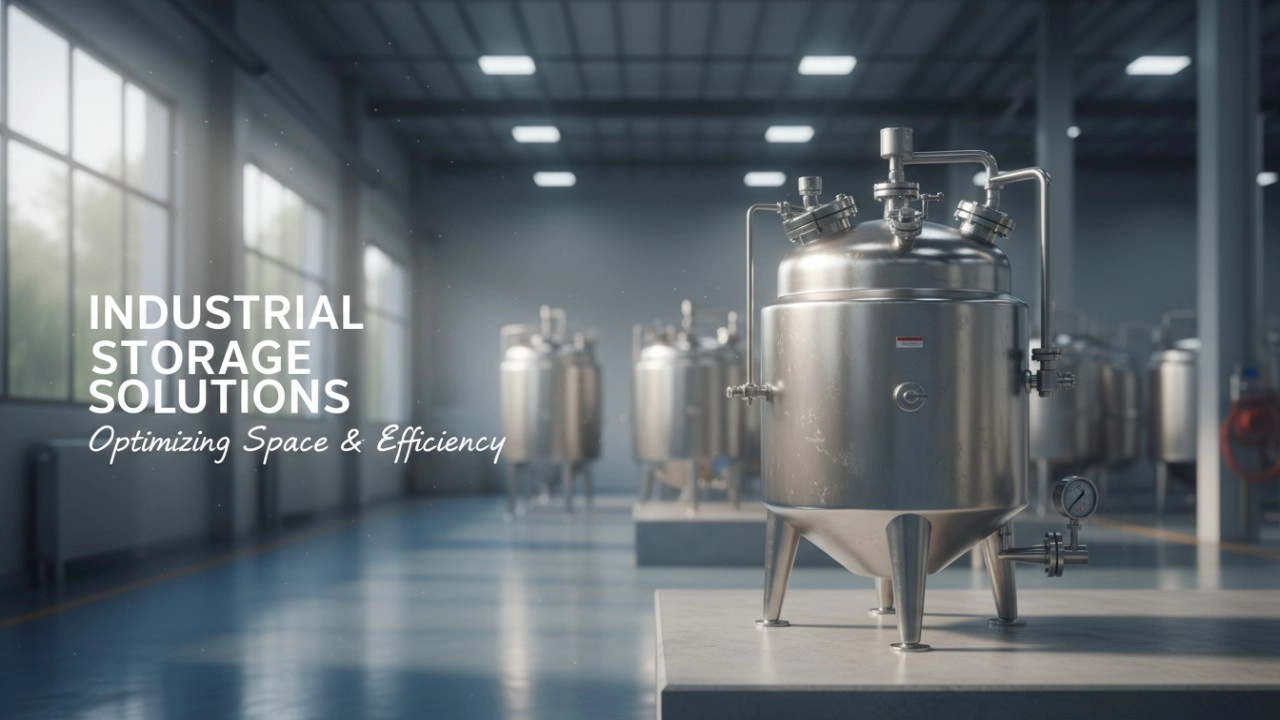
7 Dangerous Mistakes Most Companies Make with Underground Storage Tanks (USTs)
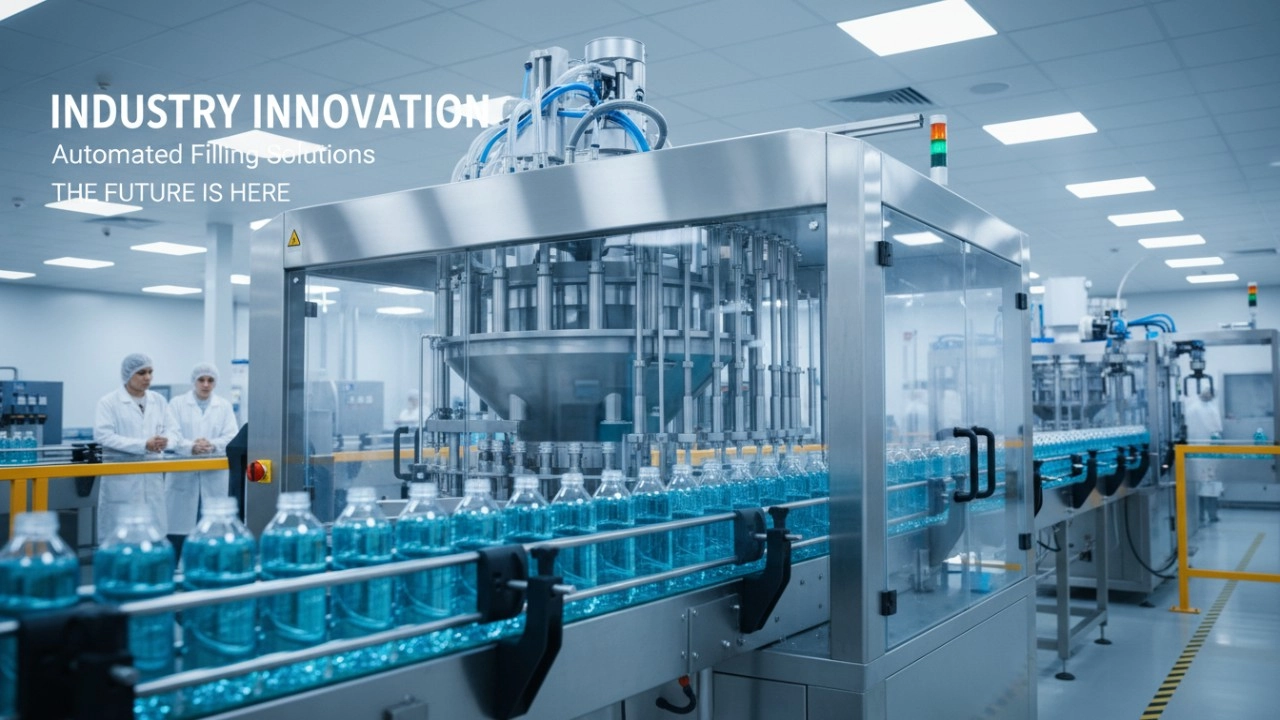
How to Future-Proof Your Production Line: The Latest Innovations in Precision Filling Machinery (2026 Guide)
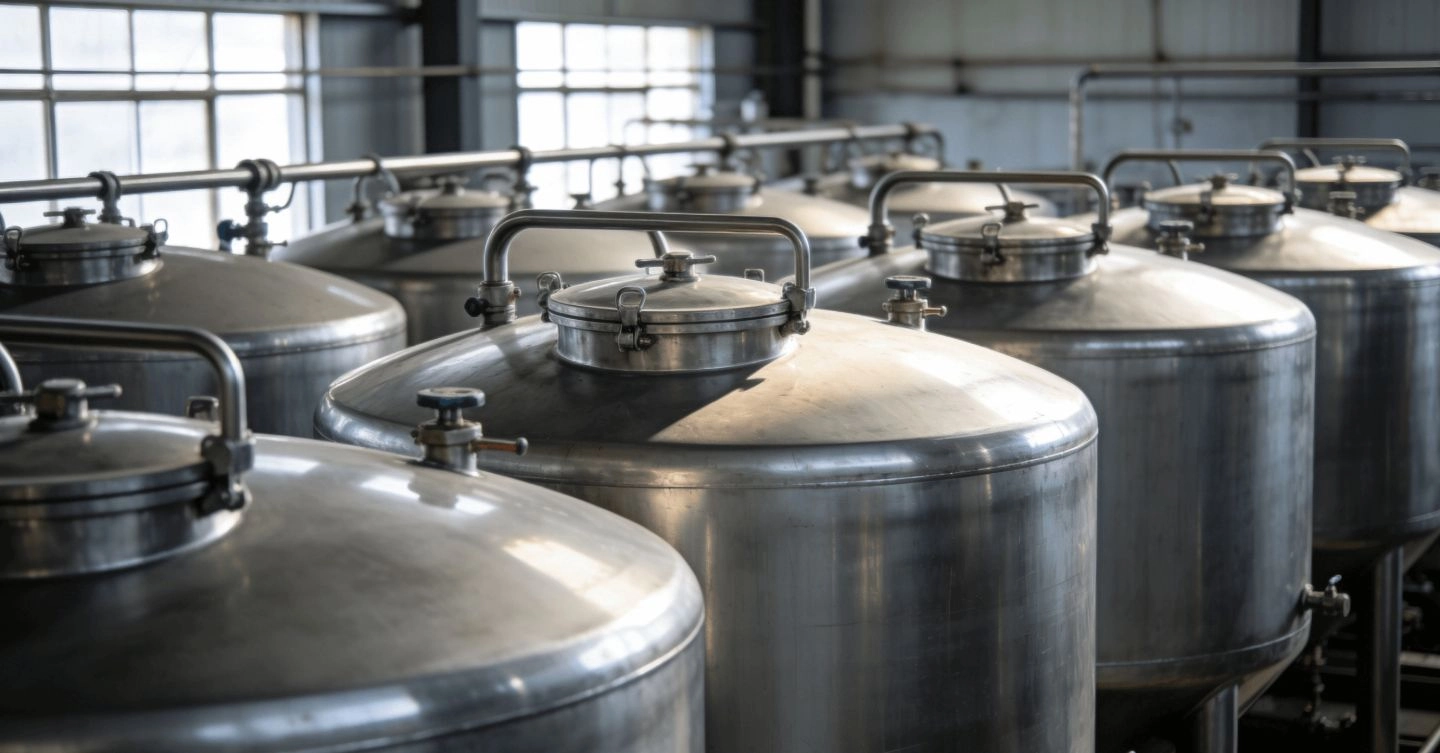
The Definitive Guide to Industrial Storage Tanks 2026: Why Food-Grade Stainless Steel is the Gold Standard
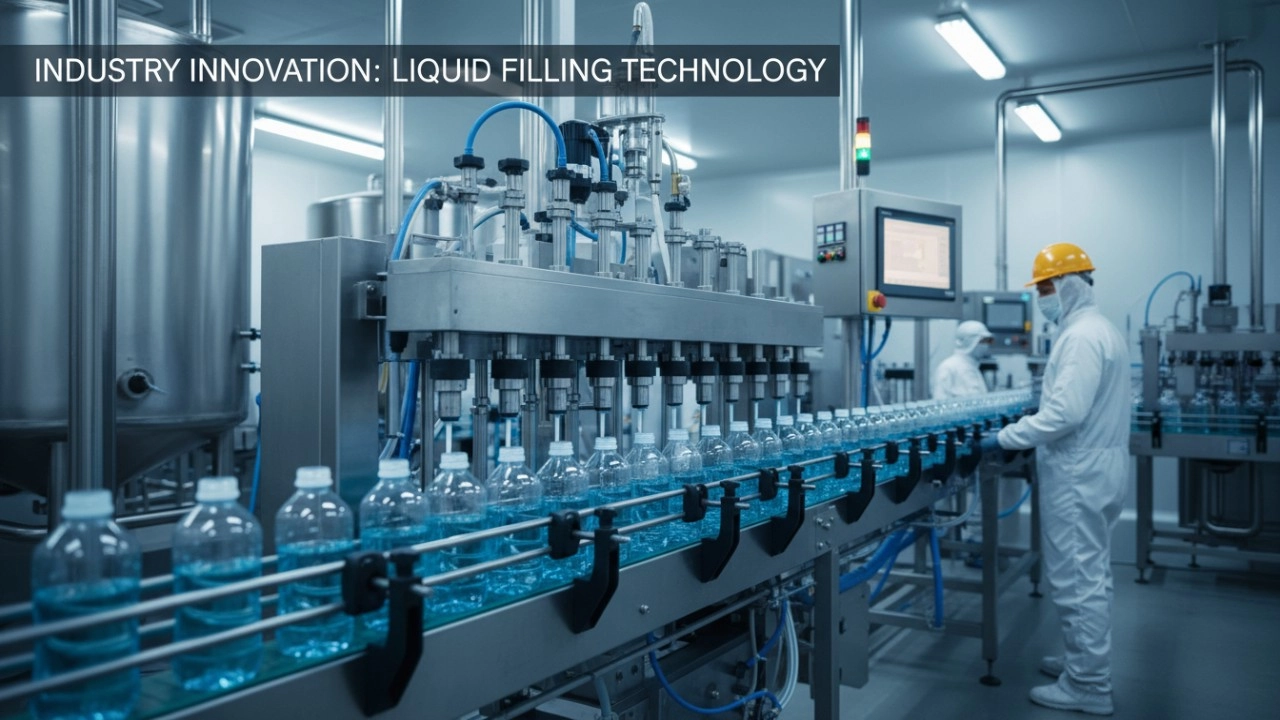
The Ultimate 2026 Guide to Liquid Filling Machines: Types, Technologies, and Strategic Selection
Single Layer Agitator Tank
Does the tank with mixer also has heater?
The model is non-heating type, the heating mixer tanks is another type with 3 layers, a heating jacket and an insulation jacket.
One Stage Water Treatment
When do you recommend pvc type and stainless steel type?
Regarding price, pvc type is cheaper, if client wants to save cost, can choose pvc type; regarding quality, stainless steel type is better, especially in too cold temperature,better resistance to low temperature.
Vacuum Emulsifier
What capacity do you provide for vacuum emulsifying mixer machine?
We can supply from 50 Liters to 5000 Liters for mixing tanks,but we recommend maximum 1000L for vacuum emulsifier homogenizer,whose the package sizes is just ok for regular 40” HQ container.
Homogenizing Mixer
Do you have temperature control system for the shampoo making machine?
Yes, there is temperature probe into tank at bottom. It detects temperature and display on the control panel. What’s more, the target temperature can be set.
Cosmetic Making Machine
Why vacuum system is necessary?
In the mixing process of cosmetic emulsifier, it is necessary to eliminate bubbles and prevent oxidation to ensure the quality of the mixture.
In a vacuum environment, there are following advantages:
⦁ Improve mixing efficiency
In a vacuum environment, the surface area of the mixture increases, and the interaction force between the substances will also increase, thus speeding up the mixing speed.
⦁ Prevent oxidation
In a vacuum environment, oxygen cannot enter the mixture, so it can effectively prevent the oxidation of the mixture.
⦁ Reduce bubbles
In a vacuum environment, the bubbles in the mixture will be drawn out, so that you can get a bubble-free mixture.
Leave a message
Have any questions or concerns about our products? Please leave us a message here, and our team will get back to you promptly.
 Scan QR Code
Facebook
YouTube
LinkedIn
Whatsapp: +8613434139712
Guangzhou Yuanyang Machinery