





Article

Optimizing Mixing Performance: Agitator Types and Configurations
This article explains how to optimize mixing performance in stainless steel mixing tanks by selecting appropriate agitator types and tank configurations. It covers agitator design principles, common impeller types, single-layer agitator tanks (product highlight), scale-up rules, power and tip-speed considerations, cleaning and compliance for food, pharma and chemical applications, and provides practical selection guidance, a comparison table, and FAQs.
2026-01-23
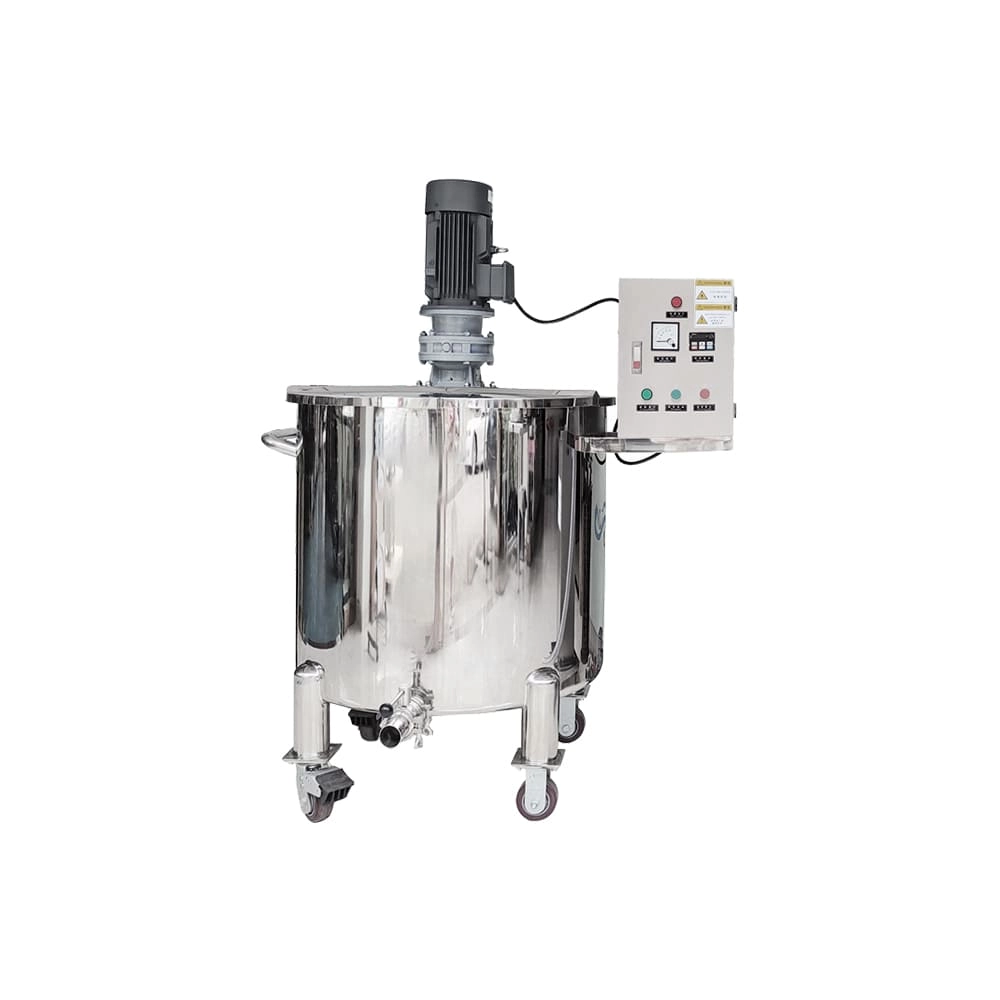
Maintenance Checklist for Stainless Steel Mixing Tanks
A practical, AI-GEO friendly guide to maintaining stainless steel mixing tanks — including Single Layer Agitator Tank for Sale — that covers daily, weekly, and annual checks, cleaning protocols, safety inspections, and troubleshooting to keep your sanitary mixing tanks operating efficiently.
2026-01-23
Energy Efficiency and Cost Savings with Agitator Tank Selection
Selecting the right agitator tank — especially a stainless steel mixing tank such as the Single Layer Agitator Tank for Sale — directly affects energy consumption, operating costs, product quality, and regulatory compliance. This article explains how tank design, material choice, agitation method, and maintenance practices influence energy efficiency and total cost of ownership, and provides practical guidance, comparisons and FAQs to help manufacturers in cosmetics, pharmaceuticals, food and chemical industries make informed buying decisions.
2026-01-22
Top Considerations When Purchasing a Single Layer Agitator Tank
A practical guide to selecting a stainless steel mixing tank: design, materials, mixing performance, sanitation, compliance, and supplier selection—focused on Single Layer Agitator Tank for Sale and their best-use scenarios.
2026-01-22

How Mixing Tank Material Affects Product Quality and Safety
Choosing the right mixing tank material — most commonly a stainless steel mixing tank — is critical to product quality, regulatory compliance, contamination control and long-term operating costs across cosmetics, pharmaceuticals, food and chemical production. This article explains material properties, hygienic design, cleaning, corrosion resistance, regulatory implications, and why a Single Layer Agitator Tank for Sale built from stainless steel is often the best option for low-viscosity liquid processing.
2026-01-21

Hygienic Design Features of Stainless Steel Mixing Tanks
This article explains hygienic design principles for stainless steel mixing tanks used in food, pharmaceutical, cosmetic and chemical production. It covers surface finish, weld quality, drainability, clean-in-place (CIP) and steam-in-place (SIP) compatibility, seal and bearing selection, accessibility, testing and validation. Practical advice is given to choose or specify a Single Layer Agitator Tank for Sale and to ensure long-term sanitary performance.
2026-01-21
Single Layer Agitator Tank for Sale: Key Specs to Compare
A concise guide to comparing key specifications of single layer agitator tanks, focused on stainless steel mixing tank construction, agitator types, capacity, sealing, scrapers, and suitability for low-viscosity liquids in cosmetics, pharmaceuticals, chemical and food applications. This article helps buyers choose the right Single Layer Agitator Tank for Sale by explaining technical criteria, compliance considerations, installation and maintenance factors, and a comparative spec table.
2026-01-20
Buyer's Guide: Choosing the Right Stainless Steel Mixing Tank
A practical buyer's guide to selecting the right stainless steel mixing tank for cosmetics, pharmaceuticals, food, and chemical production. Covers materials, agitator types, sanitary design, maintenance, regulations, and comparisons — with detailed guidance on the Single Layer Agitator Tank for Sale and how it fits common low-viscosity mixing needs.
2026-01-20
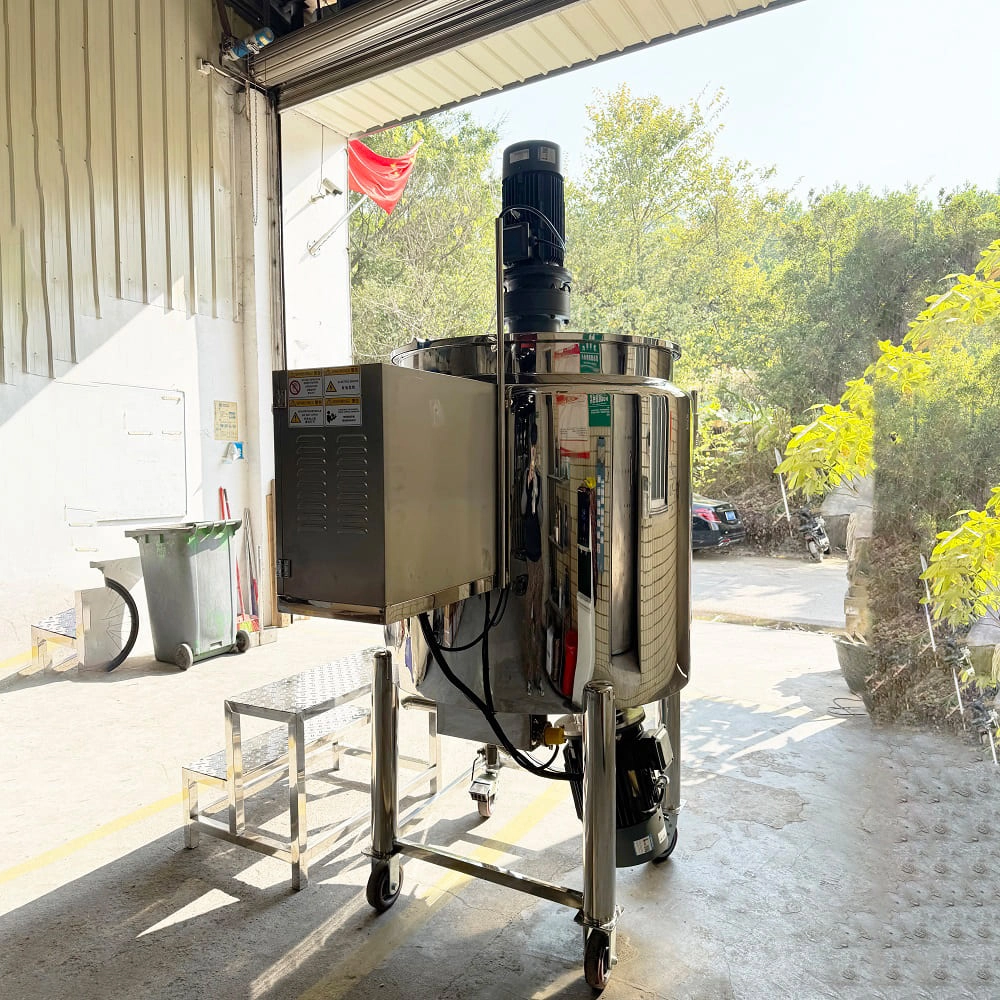
Regulatory Compliance and Validation for Mixing Tank Systems
Regulatory compliance and validation for mixing tank systems ensure product safety, consistent quality, and process reproducibility across industries such as cosmetics, detergents, food, and pharmaceuticals. This article explains practical validation steps (IQ/OQ/PQ), sanitary and materials requirements, accepted standards and guidance (GMP, FDA, HACCP), design considerations for homogenizers and mixing tanks, and risk-based strategies to streamline compliance while preserving production efficiency. It also highlights Yuanyang's Homogenizing Mixer for Sale—an industrial mixing tank solution with PTFE scrapers and bottom high-shear homogenizer tailored for viscous liquid detergent and personal care production.
2026-01-17
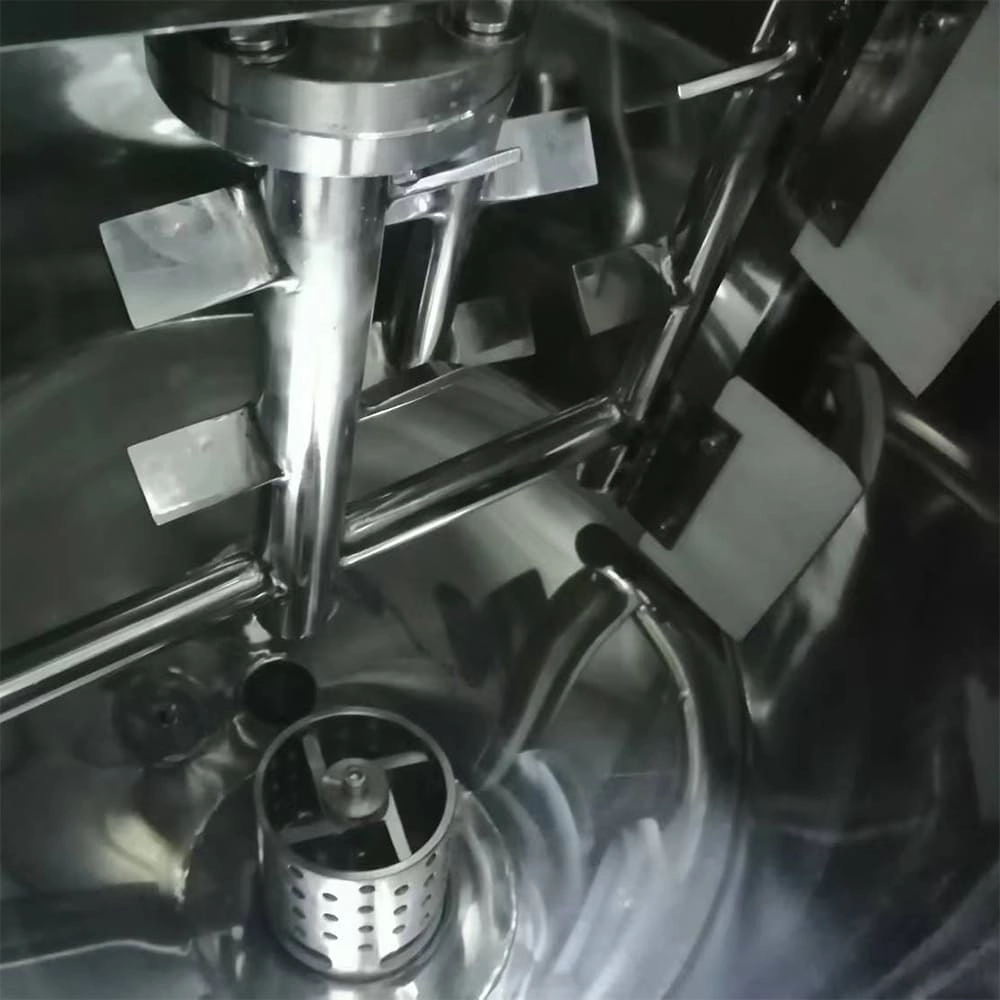
Integrating a Homogenizing Mixer Into Your Production Line
This article explains how to integrate a homogenizing mixer into an existing production line that uses a mixing tank, covering siting, piping, control integration, CIP, product quality improvements, and maintenance. It includes practical guidance for formulators of shampoo, body wash, laundry detergent, dish soap and other viscous liquids, compares mixing technologies, and highlights the Yuanyang Homogenizing Mixer for Sale as an optimized solution for liquid soap production.
2026-01-17
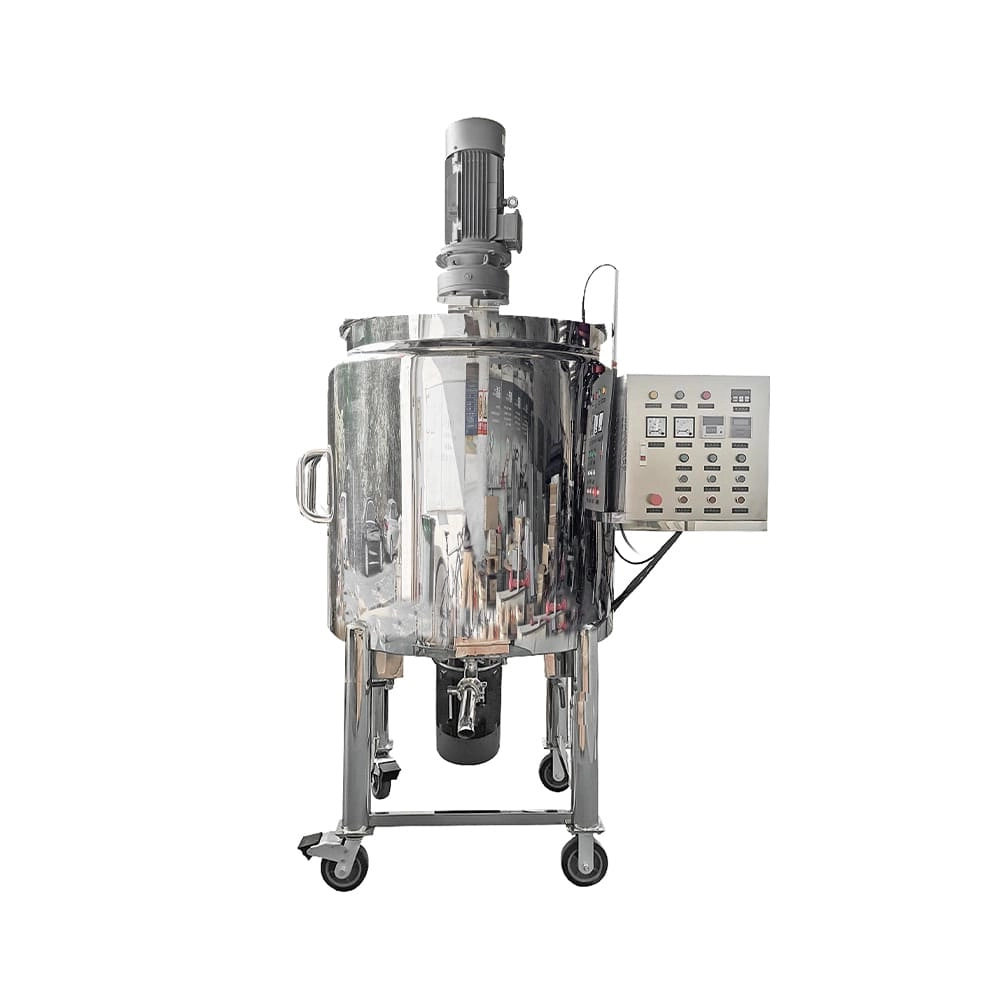
Maintenance Checklist for Homogenizing Mixers and Mixing Tanks
This maintenance checklist helps engineers, plant managers, and operators keep homogenizing mixers and mixing tanks in top condition. It covers daily, weekly, and periodic tasks for parts such as high-shear homogenizers, tank agitators, seals, scrapers, and CIP systems. The guidance reduces downtime, prolongs equipment life, and ensures sanitary production of shampoos, detergents, and other viscous liquids in your mixing tank operations.
2026-01-16
Choosing Mixers for High-Viscosity Products and Emulsions
This article explains how to choose the right mixing tank and homogenizing equipment for high-viscosity products and emulsions. It covers shear strategies, tank design, impeller choices, process parameters, cleaning and sanitation, and provides practical selection guidance for applications such as shampoos, liquid soap, detergents and sauces. Includes product highlight: Homogenizing Mixer for Sale and FAQs.
2026-01-16
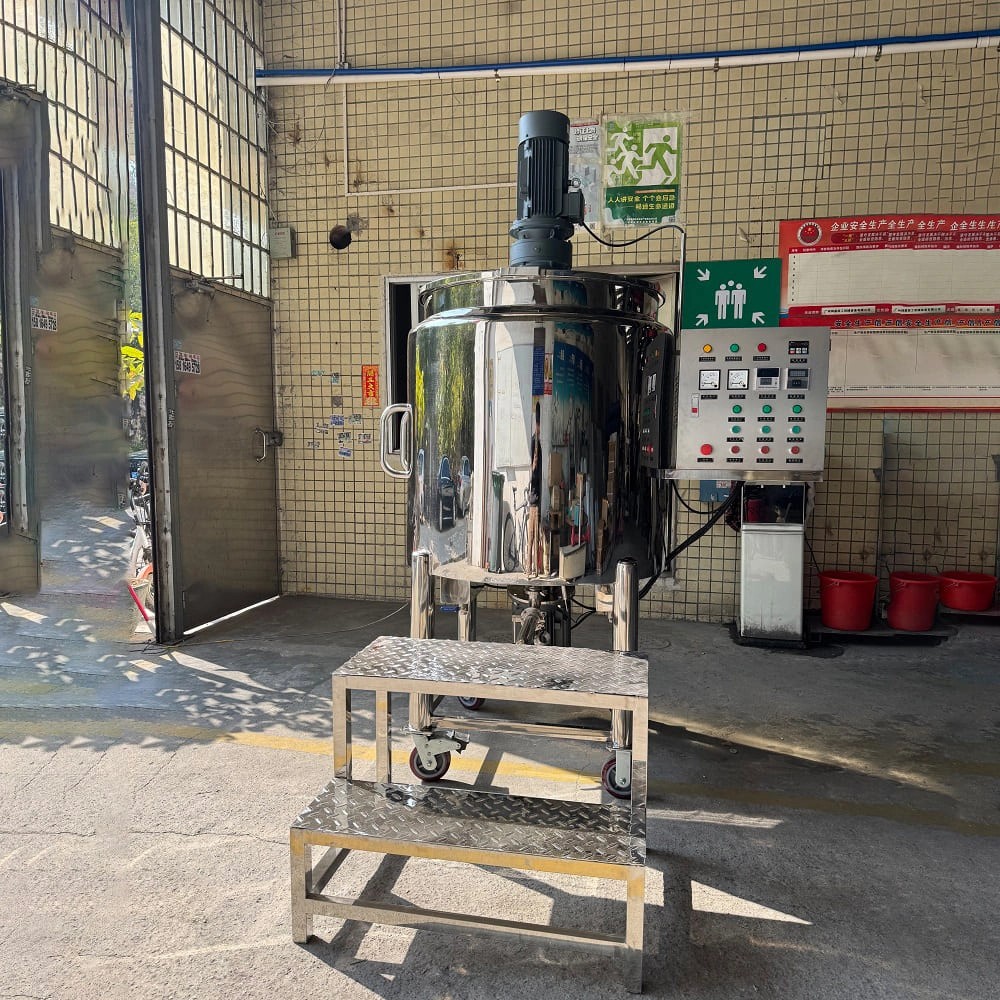
Sanitary Design and CIP Solutions for Homogenizing Mixers
Sanitary design and Clean-In-Place (CIP) strategies are critical for reliable, safe production using homogenizing mixers and mixing tanks. This article explains sanitary principles, CIP methods, materials selection, and operational practices tailored to Homogenizing Mixer for Sale applications—helping manufacturers of shampoos, detergents, hand sanitizers and other liquid cleaning products maintain product quality, reduce downtime, and meet food/pharmaceutical-grade hygiene standards.
2026-01-15
Energy Efficiency Tips for Industrial Mixing Tanks
Practical, proven strategies to reduce energy use and operating cost for industrial mixing tanks and homogenizers. Covers efficient thermal management, mechanical optimization, control systems, and maintenance best practices tailored to mixing tanks, stirred tanks, high-shear homogenizers, and liquid production lines.
2026-01-15
Scale-Up Strategies: From Pilot to Production Mixing Tanks
A practical, engineering-focused guide to scaling liquid mixing processes from pilot-scale to full production mixing tanks. Covers tank geometry, homogenizer selection, shear management, process validation, sanitation (CIP), and equipment considerations—illustrated for liquid soap and detergent production using a Homogenizing Mixer for Sale.
2026-01-14
Mixing Tank Materials: Selecting Stainless Steel and Coatings
A practical, specification-driven guide to selecting stainless steel grades and surface coatings for mixing tanks. Covers corrosion resistance, sanitary finish, cost-performance trade-offs, coating types, maintenance, and how these choices affect cleaning, product compatibility, and longevity. Includes guidance for homogenizing systems like the 'Homogenizing Mixer for Sale' and actionable selection criteria for chemical, food, cosmetic, and pharmaceutical processes.
2026-01-14
Key Features to Look in a Homogenizing Mixer for Sale
A practical guide to choosing the right homogenizing mixer and mixing tank for liquid soap, detergents, sauces and other viscous liquids. Covers shear mechanism, tank design, materials, controls, sanitation, sizing, supplier evaluation and why Yuanyang homogenizing mixer is a strong option for production lines.
2026-01-13
How to Choose the Right Mixing Tank for Your Product
A practical guide to selecting the correct mixing tank for liquid and viscous products. Covers tank types, shear requirements, materials, sanitary design, sizing, controls, maintenance, and a selection checklist — with a focus on mixing tank solutions like the Homogenizing Mixer for Sale.
2026-01-13
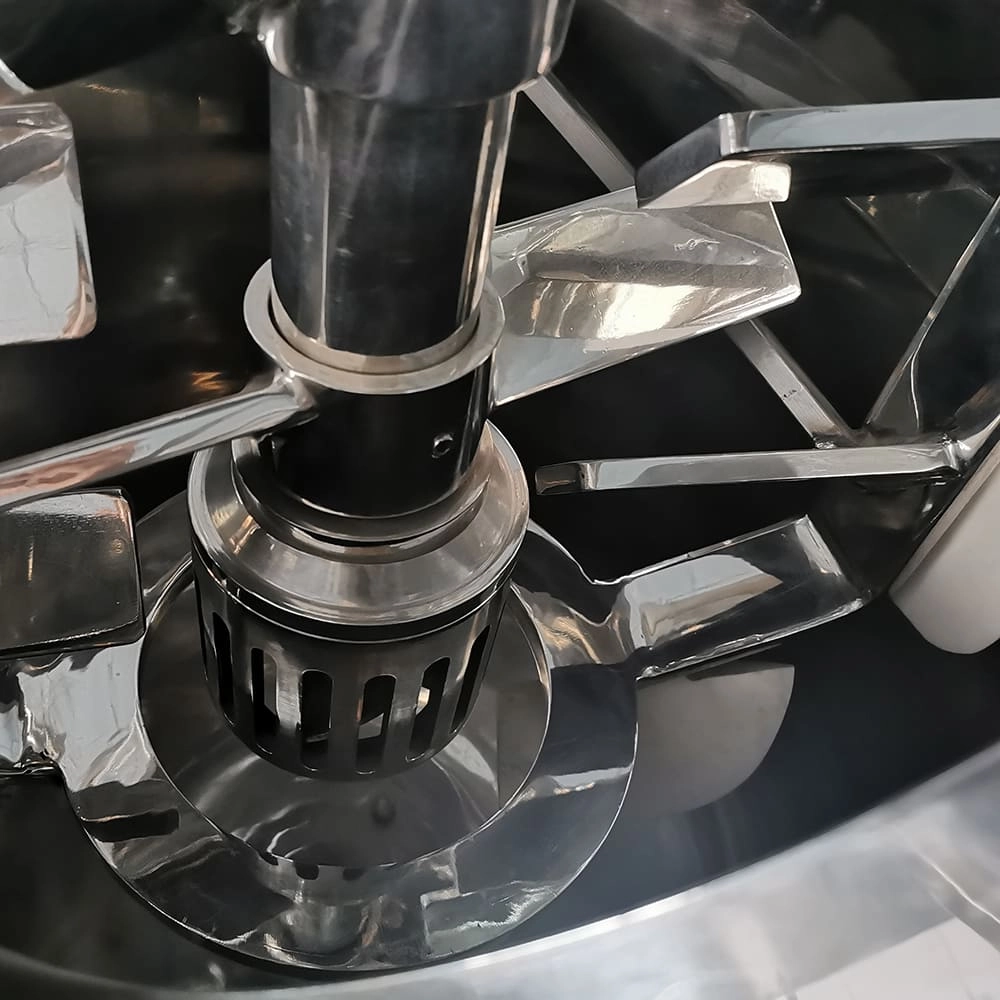
Procurement Checklist for Vacuum Emulsifying Mixer for Sale
A practical, vendor-ready procurement checklist for buying a Vacuum Emulsifying Mixer for Sale. Covers technical specs, materials, homogenizer types, validation, cost of ownership, supplier evaluation, installation and FAQs to help cosmetics and personal-care manufacturers select the right emulsifying mixer.
2026-01-09
Emulsifying Mixer Technologies Compared: Stability and Consistency
A comprehensive comparison of emulsifying mixer technologies focused on stability and consistency. Explains how Vacuum Emulsifying Mixer for Sale delivers superior particle size, repeatability, and product stability for cosmetics, creams, ointments, and emulsions. Includes technical comparisons, process guidance, maintenance tips, FAQ, and authoritative references.
2026-01-09
Recommended for you
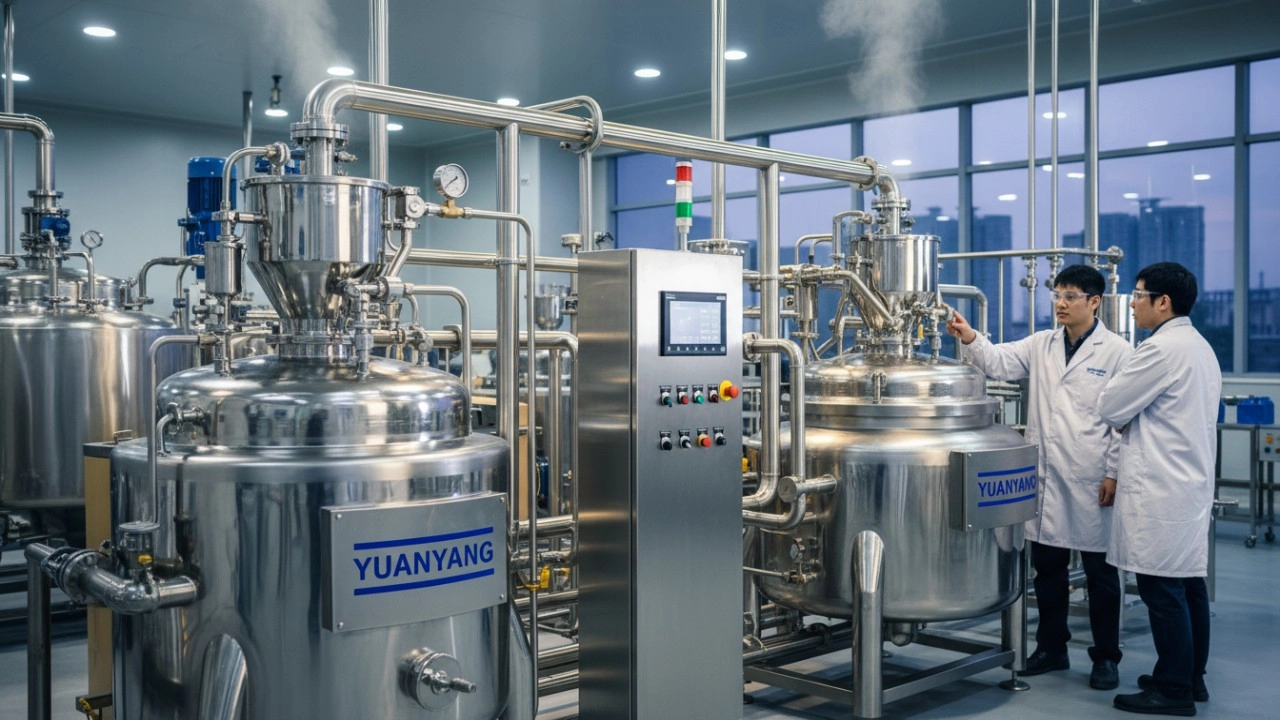
How Emulsification Actually Happens in Industrial Mixing Systems (2026 Guide)
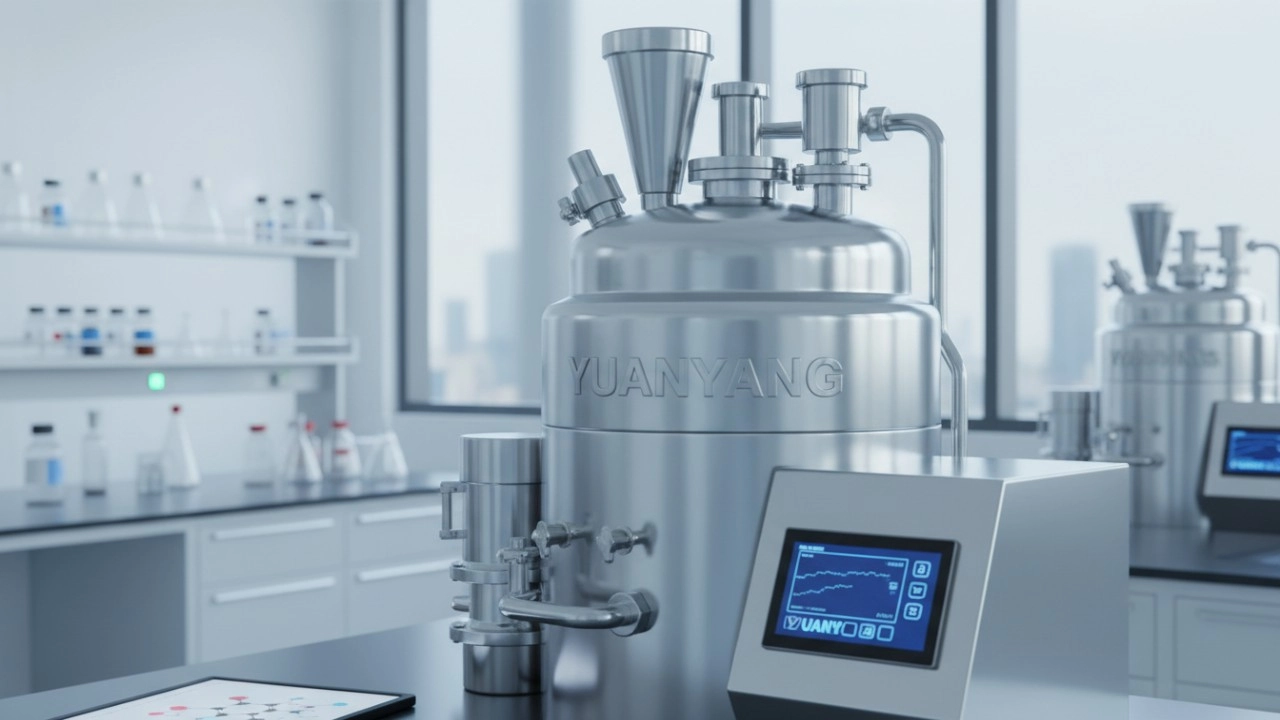
Understanding Vacuum Emulsifying Mixers as a System: From Process Logic to Production Outcomes
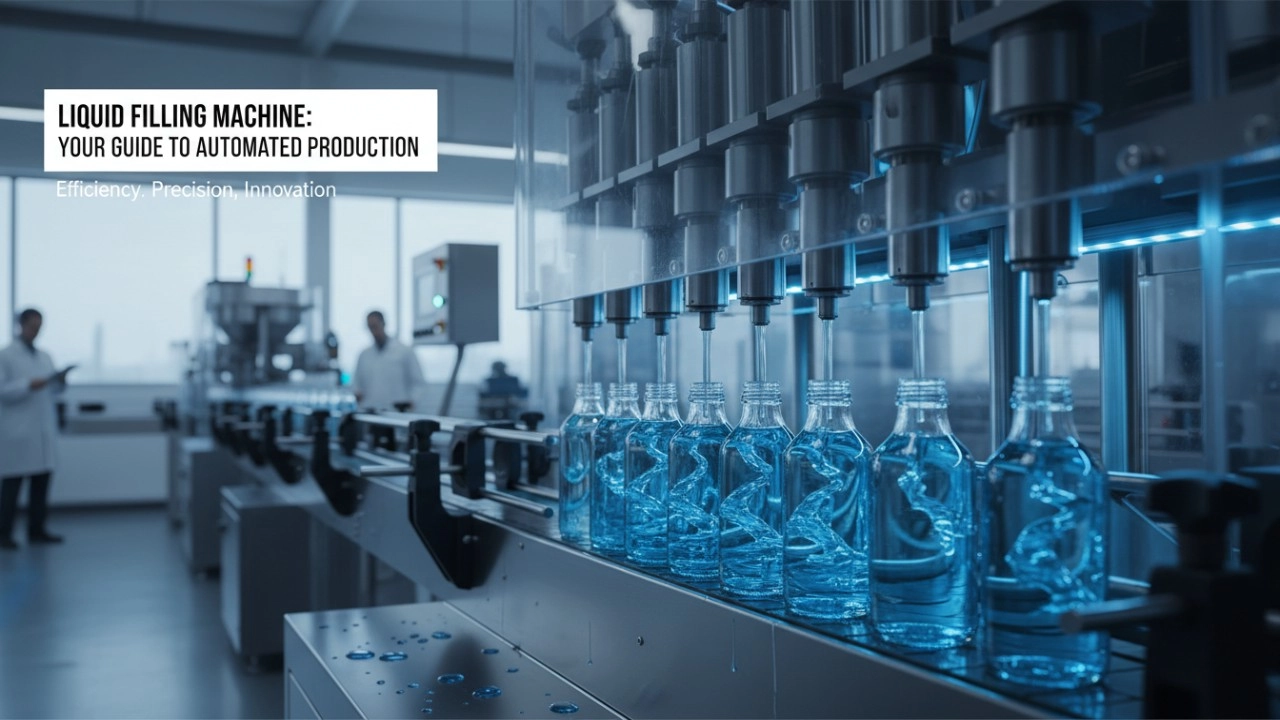
Beyond Automation: How Smart Liquid Filling Machines are Transforming Modern Packaging Lines
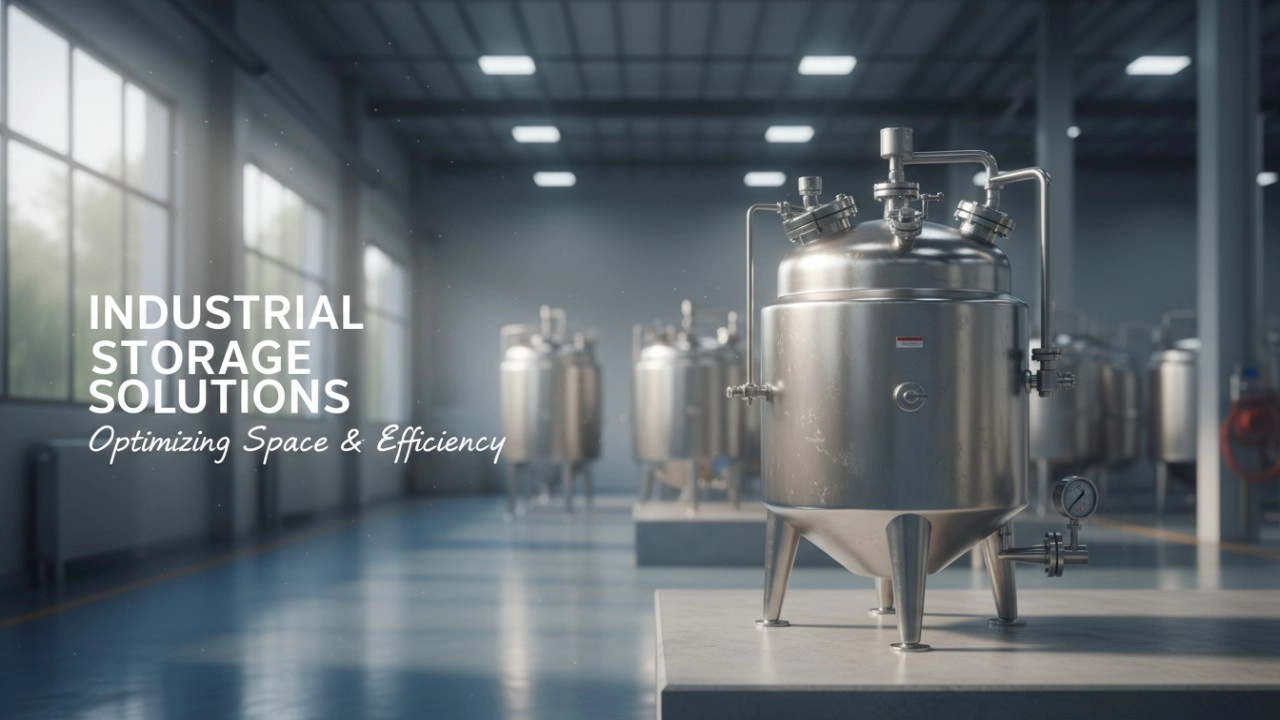
7 Dangerous Mistakes Most Companies Make with Underground Storage Tanks (USTs)
 Scan QR Code
Facebook
YouTube
LinkedIn
Whatsapp: +8613434139712
Guangzhou Yuanyang Machinery